
Greater Taipei, Yilan, Hualien & Central Cross-Island Highway, 10 Days
10 วันจำนวนผู้เดินทาง: ตั้งแต่ 1 คนระดับความยาก: ง่าย
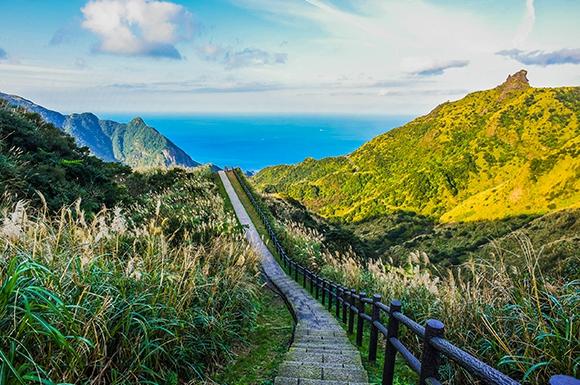
From Taipei to Yilan and Hualien, then over the Central Cross-Island Highway through Taroko and Hehuanshan.
สรุปทริป
สถานที่
- ไทเปและนิวไทเป
- จีหลงและชายฝั่งตะวันออกเฉียงเหนือ
- ไถจง
- อี๋หลาน
- ฮัวเหลียนและทาโรโกะ
ระยะเวลา
10วัน
9 คืน
อาหารที่รวม
26มื้อ
เช้า 9 · กลางวัน 8 · เย็น 9
ความเข้มข้น
ง่าย
เส้นทางทัวร์
พื้นที่ที่ไฮไลต์คือจุดที่ทัวร์นี้ไป แตะเพื่อดูรายละเอียด
แกลเลอรีภาพ
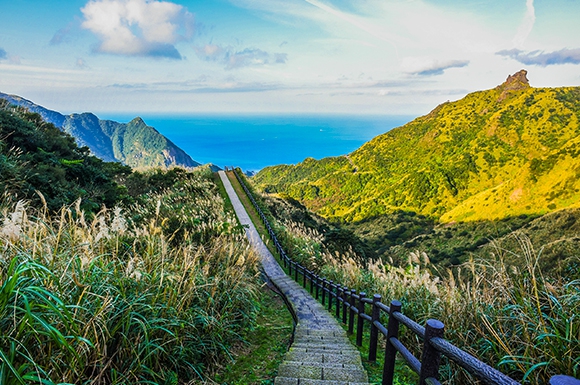
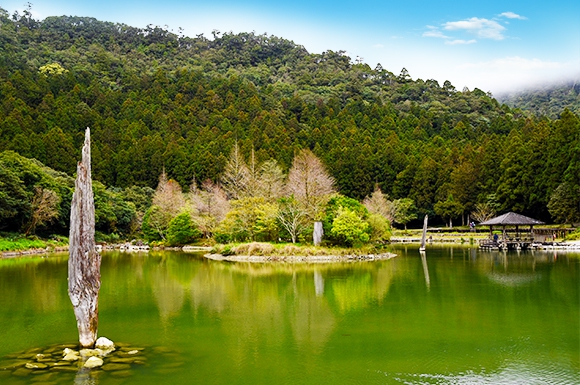
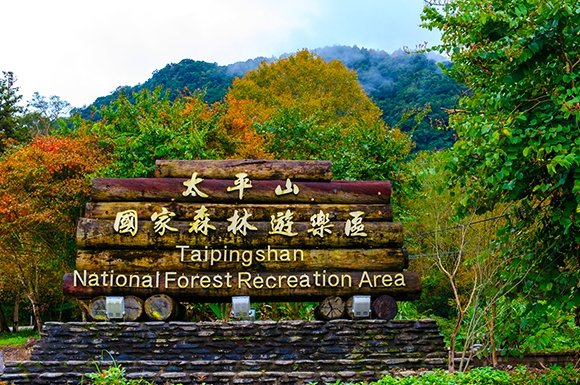
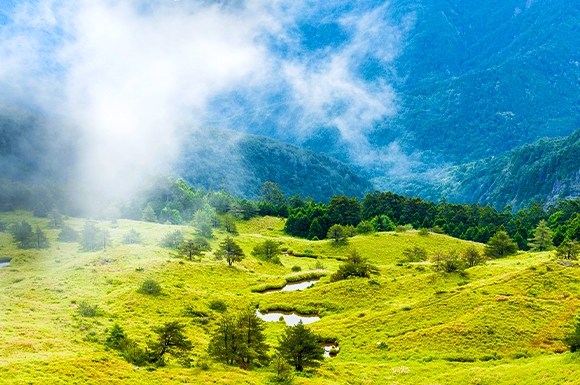

กำหนดการ
- D1
Arrival in Taipei
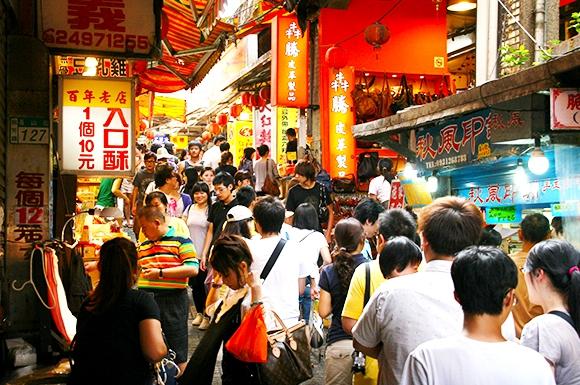
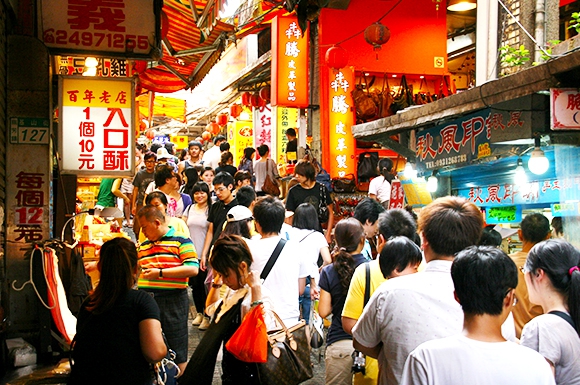
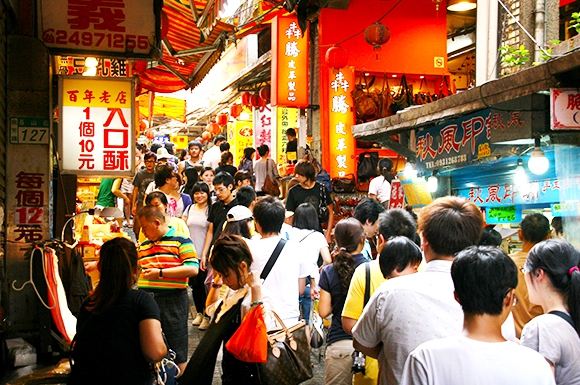
Airport pickup at Taoyuan International Airport (TPE) Shilin Night Market: Established as early as 1910, it is famous at home and abroad for traditional snacks such as da bing bao xiao bing (large pancake wrapped around a small pancake), stone hot pot and Shilin giant sausage. Many visitors come specially to try them, making it a food landmark. Tonight's accommodation: The Grand Hotel Taipei.
- D2
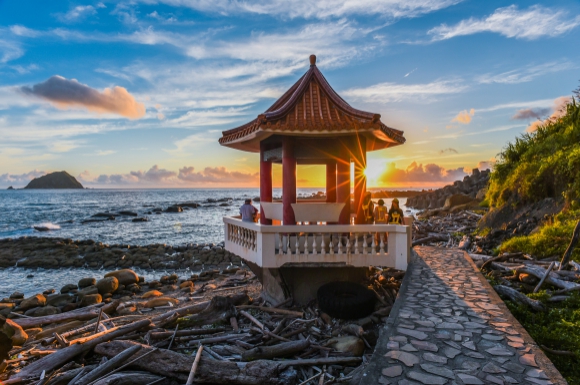
Taipei – Yangmingshan National Park – Fort San Domingo (Tamsui Red Castle) – Sanzhi – Fuji Fishing Port – Shimen Cave – Jinshan Old Street – Yehliu – Keelung Waimushan – Heping Island Park – Keelung Miaokou Night Market
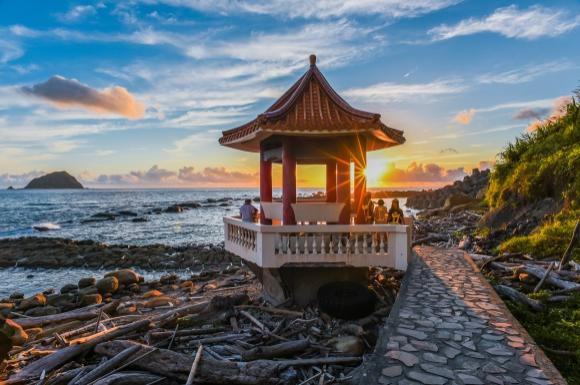
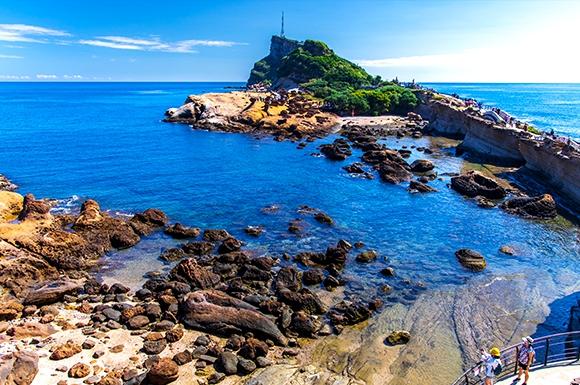
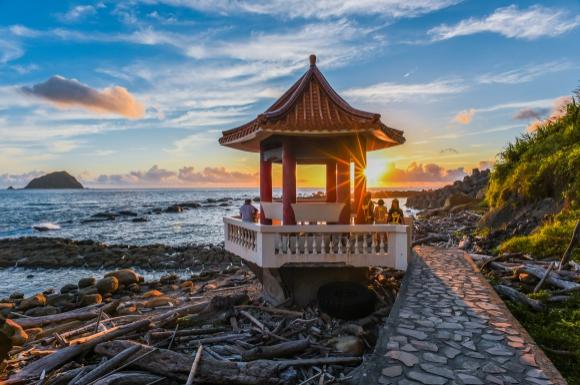
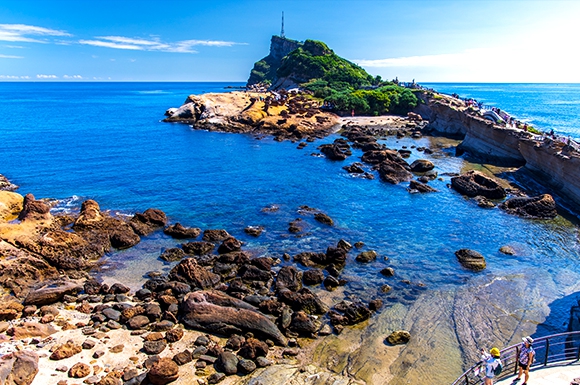
Yangmingshan National Park: The lush natural landscapes of this park serve as the perfect backyard retreat for Greater Taipei, offering city dwellers a space to reconnect with nature and relieve stress. Xiaoyoukeng is one of its most beautiful scenic spots. Xiaoyoukeng: Located on the northwest foot of Qixing Mountain, this area features a scenic observation trail with beautiful views along the way. At an elevation of about 800 meters, Xiaoyoukeng is known for its distinctive landscape of volcanic fumaroles, hot springs, landslide terrain, and sulfur crystals, making it an excellent outdoor classroom for families. Tamsui Red Castle: Formerly known as Fort Antonio, this historic site is located in Tamsui District, New Taipei City, Taiwan. The first fort was built in 1628 by the Spanish, who ruled northern Taiwan at the time, and was called Fort San Domingo. However, Fort San Domingo was later destroyed. In 1644, the Dutch rebuilt it near the original site and named it Fort Antonio. Because Han Chinese at the time called the Dutch "red-haired," the fort became known as Red Castle. Lovers' Bridge: This pedestrian bridge spans the harbor at Tamsui Fisherman's Wharf. It officially opened on Valentine's Day, February 14, 2003. The white cable-stayed bridge is about 196 meters long and takes roughly 3 minutes to walk across. From the bridge, you can enjoy the famous Tamsui sunset. Baishawan Water Recreation Area: Located in Shimen District, New Taipei City, Taiwan, this crescent-shaped natural bay is enclosed by Fugui Cape and Linshanbi. The beach stretches about 1 kilometer, with white sand and clear water, and was known as the "Kamakura of Taiwan" during the Japanese colonial era. Baishawan Beach has been famous in northern Taiwan since the Japanese era and is a popular summer getaway, ideal for wading, swimming, surfing, kitesurfing, windsurfing, and other water activities. Fuji Fishing Port: A small fishing port on the North Coast, known for its abundant crabs and seafood. Since it is not far from Taipei, many locals visit on weekends to buy fresh catches, turning it into a lively fish market hub. Enjoy local seafood such as Wanli crabs and sea snails, which are truly fresh and delicious! Fugui Cape Lighthouse: The northernmost lighthouse in Taiwan, located at Fugui Cape in Shimen District, New Taipei City. It was originally called Fuji Cape Lighthouse. Shimen Cave: Located along Coastal Highway (Provincial Route 2) and a prominent landmark of Shimen District, this sea arch was formed by ocean erosion. About a million years ago, the Datun Volcano Group erupted, depositing thick layers of volcanic debris and lava. Over time, heavy rain, waves, and erosion gradually carved these deposits, first forming a sea-eroded trench, then a sea cave, and finally the sea arch seen today. Jinshan Old Street: Also known as Jinbaoli Old Street, this was a bustling commercial street during the Qing Dynasty and has over 300 years of history, making it the oldest street in Jinshan. The duck vendors in front of Guang'an Temple are famous throughout Taiwan and always draw crowds. Other local specialties along Old Street, such as braised pork rice, oyster omelets, taro cakes, and grilled red sweet potatoes, are also well known. Strolling down Old Street lets you relive its past prosperity and savor the nostalgic atmosphere of old Taiwan. Yehliu Geopark: Also known as Yehliu Scenic Area, this is one of the most famous tourist attractions on Taiwan's North Coast, thanks to its unique geological formations. Waimushan Coast: A natural coastline in Keelung. A coastal road of about 5 kilometers runs along the shore, with a seaside walking trail along the road offering sea views on one side and mountain views on the other. Along the way, you can enjoy both rocky and sandy shorelines, with many parking spaces for convenient stops. Heping Island Park: With its strong international appeal, this park is a relaxing destination for a short trip. To help visitors easily find the perfect photo angles, five "Guardian Rock Viewing Windows" were designed for the Human-Face Lion Body Rock, Pig-Head Rock, Seal Rock, Mudskipper Rock, and Vajra Rock. Simply look through the viewing frames to easily find the guardian rocks and capture yourself together with them in your photos. Keelung Miaokou: Centered around Jingji Temple, this food market gathers a wide variety of street food and is one of the most famous night markets. Shops here operate 24 hours a day, and it becomes even busier during evening market hours. It is also called Miaokou Night Market, and when locals say "Miaokou," they are referring to this place.
- D3
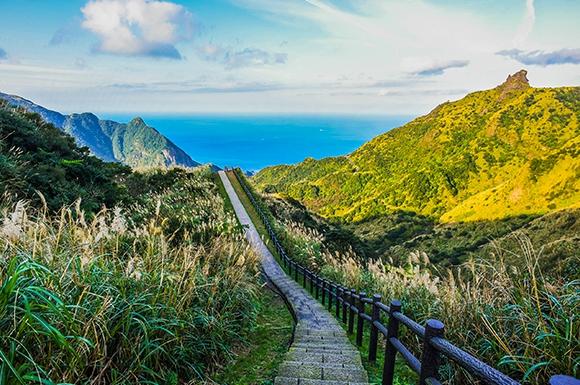
Badouzi Fishing Port – Ruifang – Sandiaoling – Jinguashi – Jiufen Old Street – Gold Museum – Golden Waterfall – Bitoujiao Lighthouse – Dragon Cave Bay – Fulong Beach, Sandiaojiao Lighthouse – Yilan Toucheng – Jiaoxi
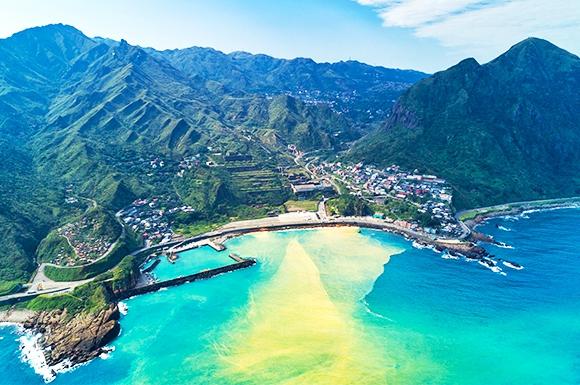
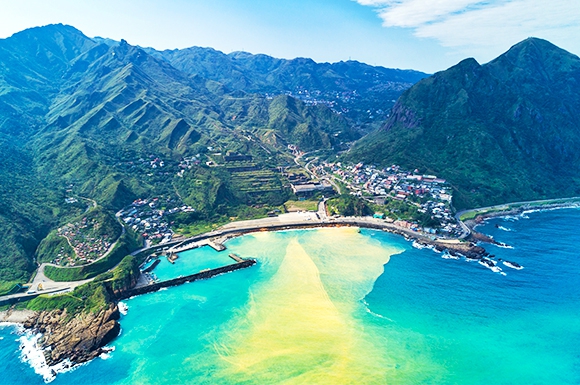
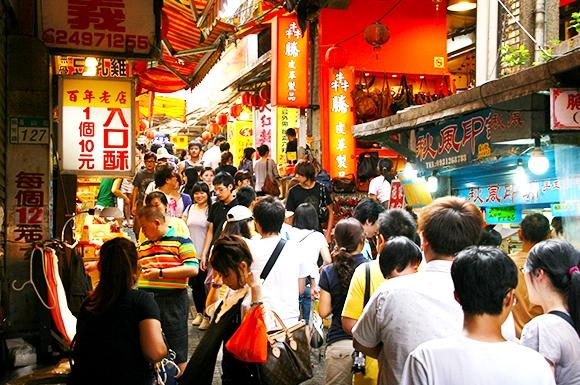
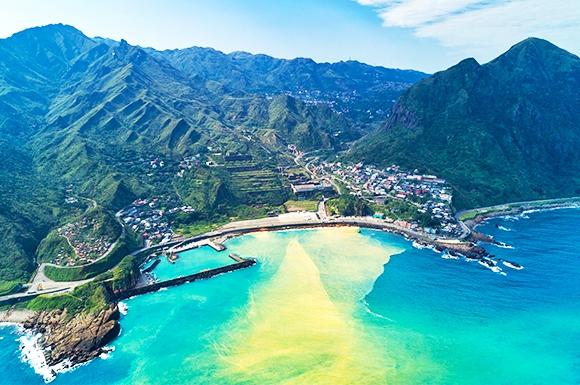
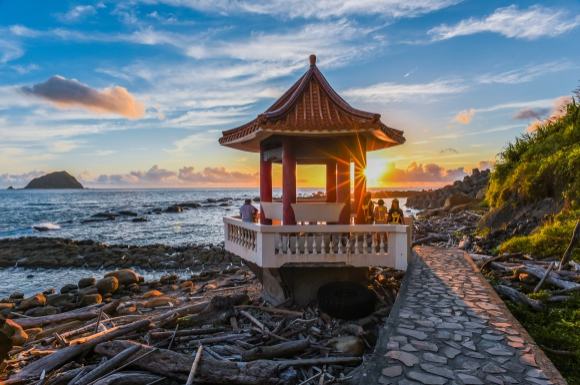
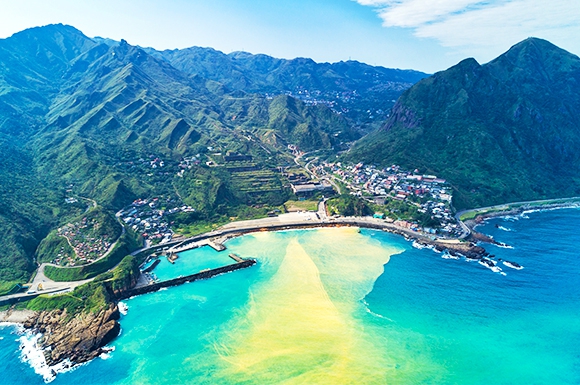
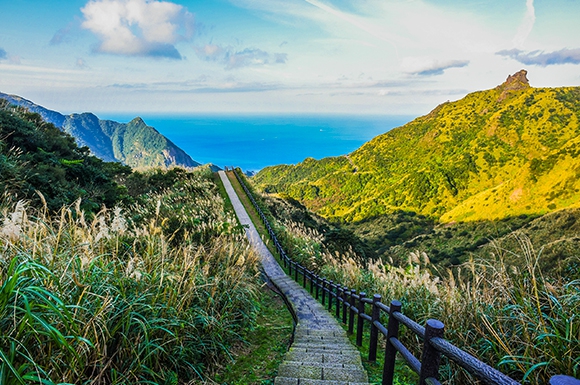
Bali Fishing Port: A multi-purpose fishing harbor and the largest fishing port in northern Taiwan. Shenao Cape: In Ruifang, there is a fishing port with smaller mushroom-shaped rock formations similar to those at Yehliu, covering the entire coastline. Very spectacular and beautiful. Combined with the Elephant Trunk Rock, shaped by nature's craftsmanship and standing on the shore, its lifelike appearance attracts many visitors. Houtong Cat Village: In November 2013, it was ranked alongside Japan's two major cat islands, the United States, Italy, Turkey and other destinations, and was named one of the "World's Six Best Cat Spots" by CNN. Because the cats here have long been in close contact with tourists, most are no longer shy, and some even approach people to seek affection. As daytime is hot, the cats tend to hide in shady spots, so the best time to see large groups of cats gathering is after dusk. Houtong was once the largest coal mining town in Taiwan. Sandiaoling Station: A railway station in Ruifang District on Taiwan's Yilan Line and Pingxi Line, opened in 1922. It is the only railway station in Taiwan that cannot be reached directly by road; instead, it sits across the Keelung River from the nearby highway. Passengers wishing to take the train from this station must cross the riverbed from a railway bridge some distance upstream, using the pedestrian path alongside the railway line, and then walk to the station. Jinguashi Geological Park: An open-pit mining area located just above the Gold Temple. It is where gold veins were first discovered in Jinguashi. The mountain resembles a pumpkin in shape, so it was called "Jinguashan" (Golden Pumpkin Mountain), which is the origin of the name Jinguashi. Jiufen Old Street: An old street in Ruifang District, one of Taiwan's most popular tourist attractions, with visitors flocking year-round. It is an internationally renowned attraction in northern Taiwan. Gold Museum: Renovated from the former office of the Taiwan Metal Mining Corporation, it is Taiwan's first ecomuseum. The Gold Museum tells the mining history and culture of Jinguashi, allowing people today to experience the past prosperity and glory of Jinguashi. Gold Waterfall: The waterfall is formed by underground water flowing up to the surface and is not part of a river channel. After heavy rain, the water volume of Gold Waterfall becomes even greater. Because the Jinguashi area has mineral veins, groundwater and rainwater undergo chemical reactions with minerals, giving the water the color of oxidized metal ore. This gives the Gold Waterfall water a slightly yellow tint, and combined with the yellow exposed rocks, it earned its name. Shuinandong Yin-Yang Sea: Commonly called Yin-Yang Sea, it is a unique geographical landscape along the coast of northeastern Taiwan. The seawater in the bay here is yellowish-brown, in sharp contrast to the normal blue of the open sea, which is how it got its name. Bitoujiao Lighthouse: Completed in 1897, it was a hexagonal iron tower built by the Japanese government during the Japanese colonial period. It was damaged in World War II and rebuilt as a round tower in 1971. Longdong Bay Ocean Park: Taiwan's first natural swimming pool, where you can swim while admiring the beautiful fish beneath the sea and experience playing in the water with fish. It is an ideal family spot for snorkeling and observing crabs, starfish and other marine life. Aodi: Located between Sandiaojiao and Bitoujiao, with Aodi Fishing Port within its area. On April 17, 1895, after Japan signed the Treaty of Shimonoseki, its receiving officials and troops landed here, then gradually occupied all of Taiwan, beginning the 50-year Japanese colonial era. Fulong Beach: A seaside beach in Fulong Village, Gongliao District, at the Shuangxi river mouth near Sandiao Bay. It is a well-known northern sandy shore and a rare golden sand beach. It is also a famous summer seaside recreation area in northern Taiwan. Sandiaojiao Lighthouse: Built in 1931, it is the easternmost lighthouse on the main island and an important directional landmark for many ships passing through the Pacific. The lighthouse has an exhibition room displaying historical materials and precious photos of Taiwan's lighthouses, and it was the first lighthouse in Taiwan opened to the public for visits. Dadui Cove: Near the border between Taipei and Yilan County, this is a small wave-cut platform extending south into the sea. Its western side curves inward toward the land, forming a deep channel. Because the terrain here is low, the ground is covered with algae in winter. When strong waves and high tides rush in, the spray washes the algae into the channel, attracting fish to feed near the shore. This is where the most black fish gather in the Dagu Cove area, which is how it got its name. Touchéng Township: The earliest developed area in Yilan County, also administering Turtle Island and the Diaoyutai Islands. Jiaoxi Township: The northwestern part of the township is the Snow Mountain Range, and the southeastern part is the alluvial plain of the Erlong River, famous across Taiwan for Jiaoxi Hot Springs.
- D4
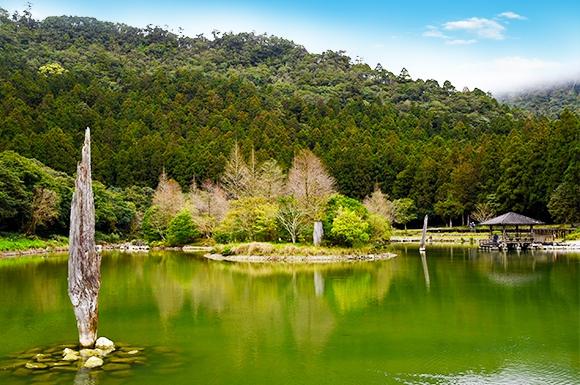
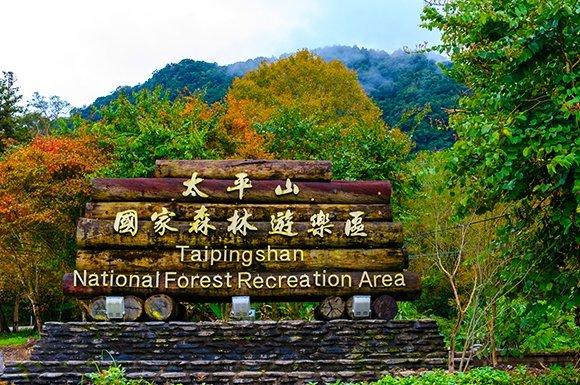
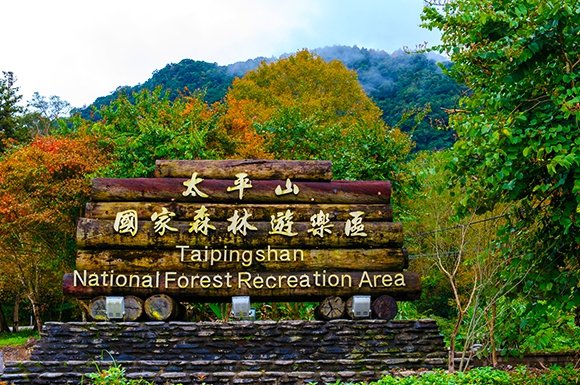
Jiaoxi – Central Cross-Island Highway Yilan Branch – Mingchi National Forest Recreation Area – Chilan Forest Recreation Area Wangyou Pavilion – Taiping Mountain National Forest Recreation Area – Jiuzhize Hot Spring
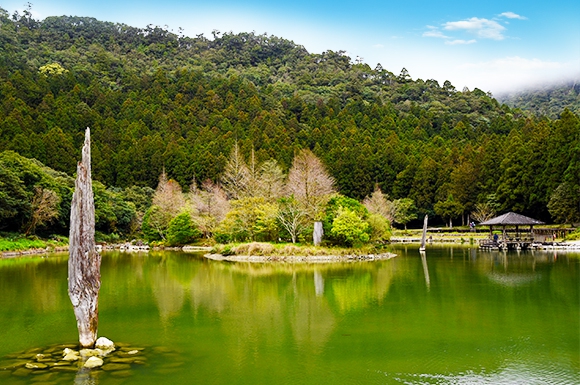
Luodong Township: The main city of Yilan County, bordering the Lanyang River to the north. Sanxing Township: Located on the western edge of the Lanyang Plain, famous nationwide for its Sanxing green onions and braised pork. It is currently the third-largest township in Yilan County by area. Datong Township: The second-largest township in Yilan County by area. It ranks sixth from the bottom nationwide in population density, while ranking ninth nationwide in land area. Provincial Highway 7A Yilan Branch: The most convenient route to Lishan and Wuling Farm on the Central Cross-Island Highway. Following the Lanyang River valley upstream, you cross the watershed at Siyuan Pass into the Dajia River basin. The valley scenery is beautiful and the mountain road winds, with Indigenous villages along the way where you can stop. Mingchi Forest Recreation Area: The overall design draws on local landscape features and blends the beauty of traditional Chinese and Japanese garden styles, giving Mingchi a greater variety of scenery. The most representative are Jingshi Garden and the Water Harp Cave. Chilan Forest Recreation Area: A must-pass on the way to Taiping Mountain and Lishan. The grounds are lush with flowers and trees, and green foliage stretches on, creating a captivating sea of green. Chilan has many scenic spots worth visiting, such as Wangyou Pavilion, Bridge Pavilion, and the Three Rivers Confluence Viewing Platform. Taiping Mountain National Forest Recreation Area: The visitor center provides information about the recreation area, with exhibits on Taiping Mountain's four-season scenery, natural ecology, and guided tours of park attractions. A multimedia room lets you learn more about the history, culture, and seasonal charms of Taiping Mountain. The outdoor area displays a steam yarder, which once hauled timber by pulling steel cables and was an indispensable tool for the forest station. Jiuzhe Hot Spring: Known for its open-air hot spring pools. During the Japanese colonial era it was called 'Asahi Hot Spring' or 'Jiuze Hot Spring.' After the Retrocession, the Lanyang Forest District Office took over and named it 'Renze Hot Spring,' and it is now called 'Jiuzhe Hot Spring.' Water seeps out from rock crevices, clear, colorless and odorless, at about 90°C. It is an alkaline calcium carbonate hot spring said to improve skin and relax muscles and joints.
- D5
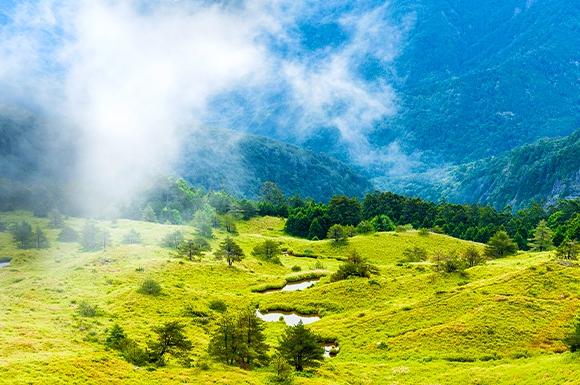
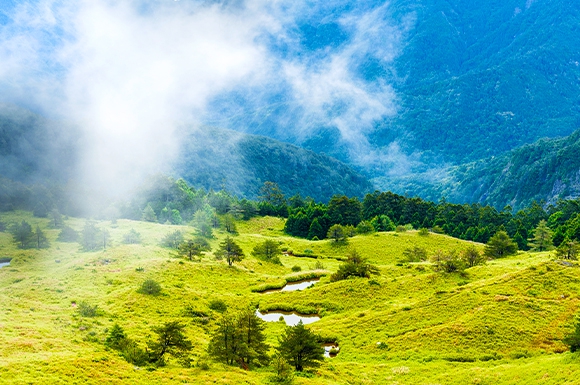
Taiping Mountain – Siyuan Pass – Wuling Farm – Lishan Guesthouse
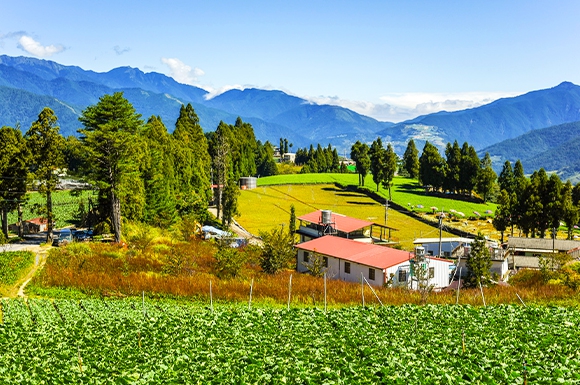
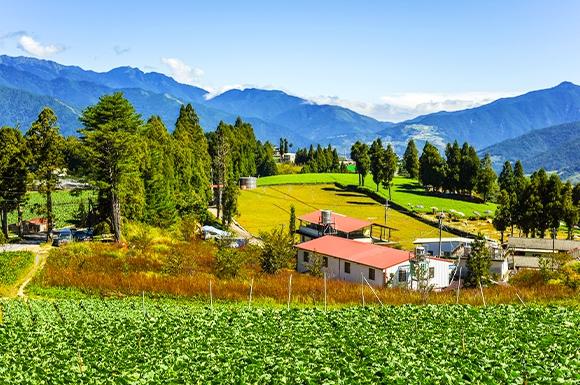
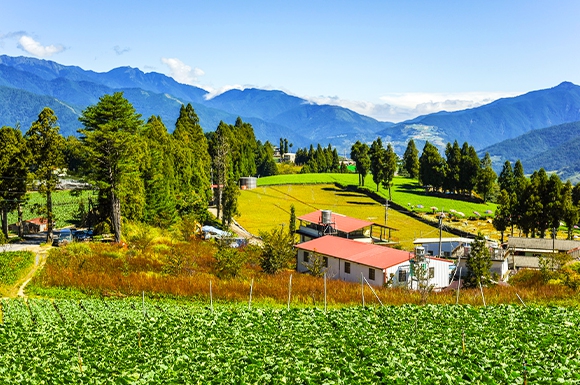
Siyuan Pass: Located in Nanshan Village, Datong Township, on the saddle between the Central Mountain Range and the Snow Mountain Range, it serves as the watershed between the Lanyang River and Dajia River systems. The valley here is about 500 meters long, and its terrain is a wind gap left behind by river capture. Wuling Farm: Formerly the Wuling reclamation area under the Veterans Affairs Commission, it was renamed Wuling Farm. Fields crisscross the farm, growing high-mountain vegetables, fruit, and tea (Qingxin Oolong), with each season offering a different charm. Spring brings plum, cherry, peach, pear, apple, and azalea blossoms. Summer and autumn are the harvest seasons for peaches, pears, and apples. In winter, if you're lucky, you may get a taste of snow. Snow Mountain Trailhead Viewing Platform: On the north valley section of Wuling Farm is a mountainside platform, the trailhead for Snow Mountain, Taiwan's second-highest peak. In front of the wooden deck, the view is wide open, and you can look straight across the Qijiawan Valley. On clear days you can see Nanhu Mountain on the North 1 section and Lingming Mountain on the North 2 section. The reservoir beside the viewing platform is also a famous photography spot, with ridgeline reflections mirrored on the water. It is very beautiful. Wuling Tea Estate Trail: Following Wuling Road, you pass scenic farmland and classic buildings. Visitors can brew and sip tea at the tea estate, adding to the leisurely mood. Tea leaves grown in the tea gardens are sent behind the estate for withering and processing. From seeing the tea gardens to sipping a cup of authentic Wuling tea and resting to savor the flavor of high-mountain tea, the experience is distinctive. Wuling Visitor Center: Presents the natural scenery, flora and fauna, cultural ecology, and audiovisual presentations of Qijiawan, for visitors to Wuling to view and experience. The murmuring waters of the Qijiawan Creek in the Dajia River basin are the home of Taiwan's national treasure fish, the Formosan landlocked salmon. At the center of the farm, beside the silver giant lion, the characters 'Xing Shi Garden' were personally inscribed by master painter Zhang Daqian. The Taoshan Waterfall, about 50 meters high and also called Yansheng Waterfall, is known as a scenic highlight of Wuling. Shielded by mountains, it stays cool in summer and mild in winter, making it a year-round resort destination.

- D6
Fushoushan Farm – Central Cross-Island Highway – Taroko National Park
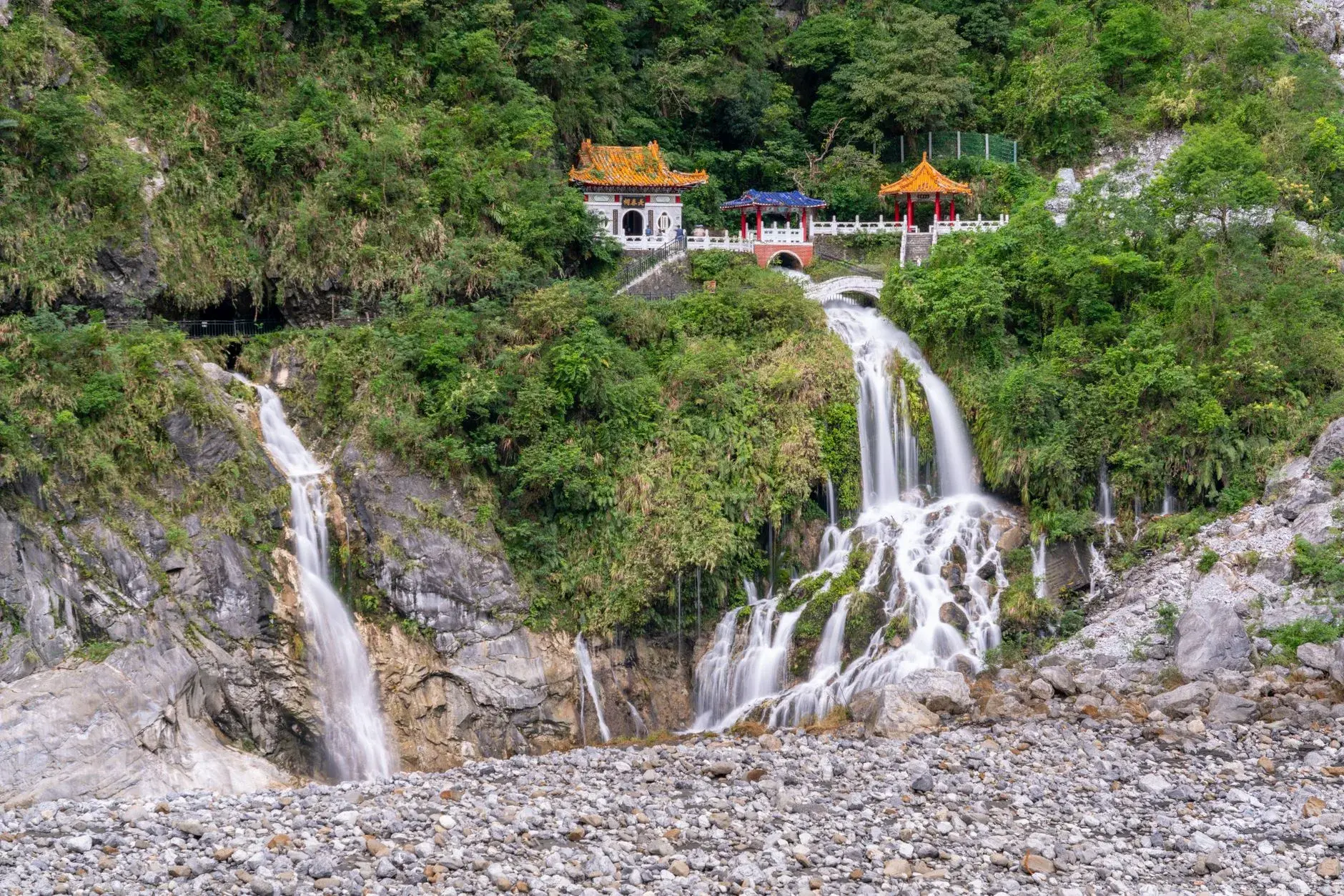
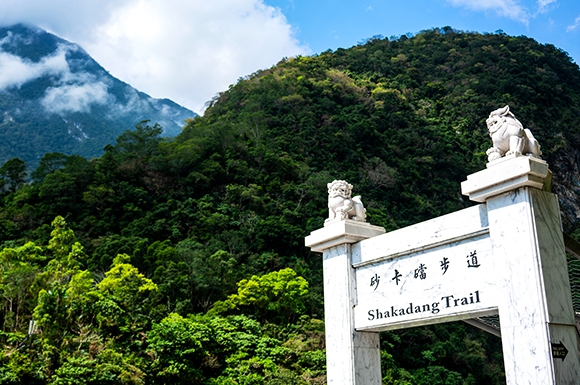
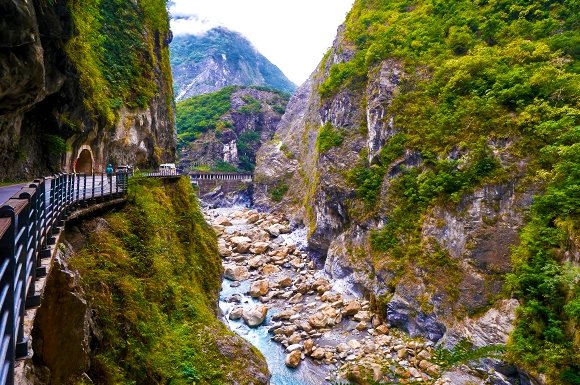
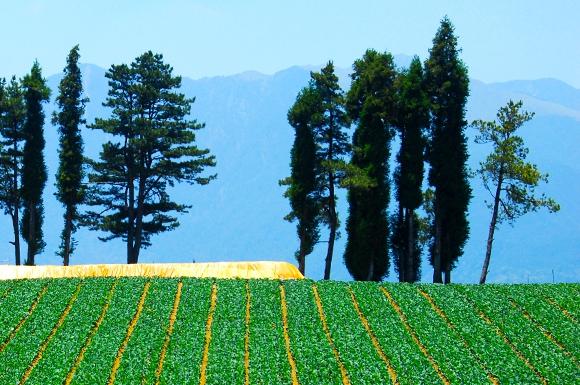
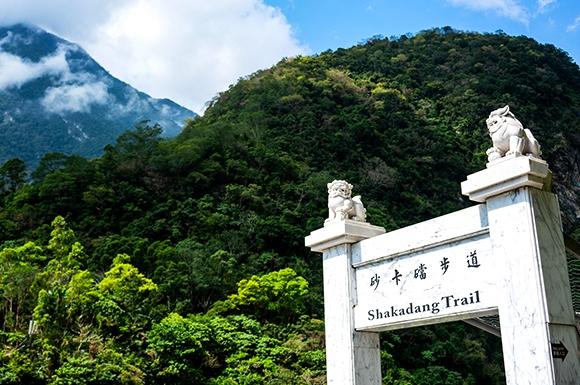
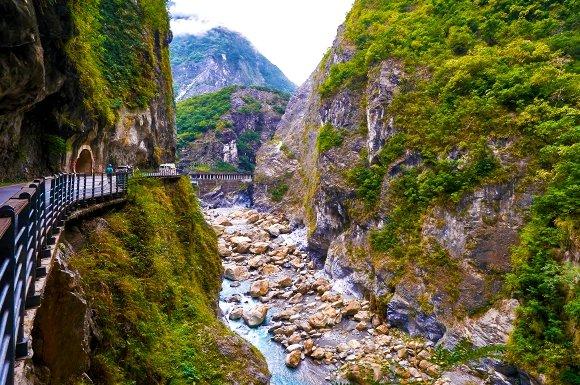
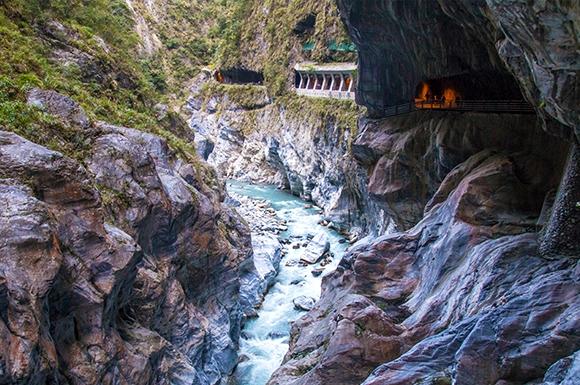
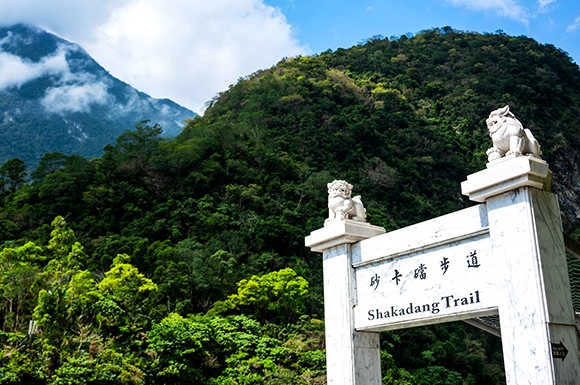
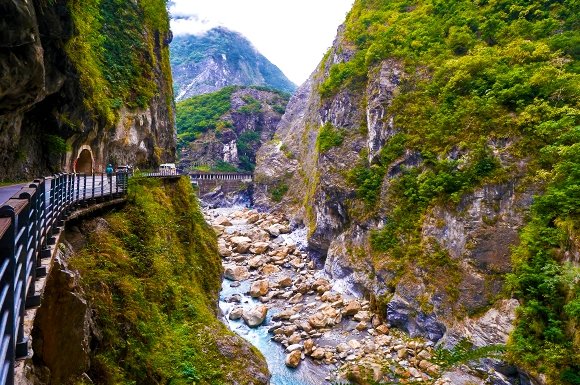
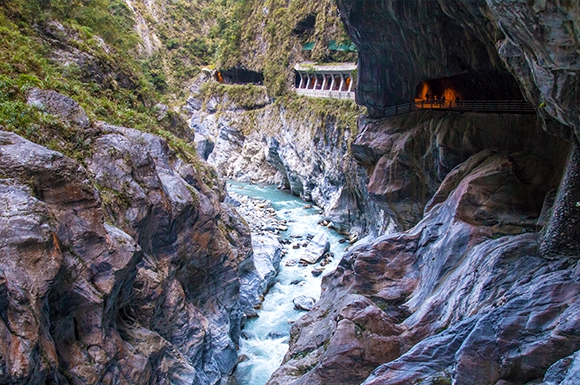
Fushoushan Farm: Located between Hehuanshan and the Snow Mountain peaks, at an elevation of 2,100 to 2,614 meters. It is a public enterprise operated by the Veterans Affairs Council's Retired Servicemen Guidance Committee. Together with Wuling Farm and Cingjing Farm, it is known as one of Taiwan's three major high-mountain farms. Dayuling: Situated between Hehuanshan and Bilu Mountain at an elevation of 2,565 meters, it marks the midpoint of the Central Cross-Island Highway and the junction of Taichung, Nantou and Hualien counties. It is an important gateway to Taroko National Park, Hehuanshan National Park and Lishan Wuling. Local residents make a living by running homestays, selling hot food and growing tea, though few households live here. Bilu Shenmu (Giant Tree): Located at km 127.6 of the Central Cross-Island Highway, this giant Taiwania (香杉, 巒大杉) is over 3,000 years old, about 50 meters tall, with a trunk diameter of 3.5 meters. It is the largest giant tree along the Central Cross-Island Highway. Elevation 2,150 meters. Taiwania is the tallest tree native to Taiwan, reaching over 70 meters, and is also one of the species used in reforestation. Due to complex terrain, temperature inversions and frequent cloud mist, tree species around Bilu Shenmu are quite mixed. The top canopy is mainly conifers such as spruce, hemlock and Taiwania. Below them are mostly evergreen broadleaf trees, with some deciduous trees mixed in. Taroko National Park: Known worldwide for its magnificent, nearly vertical marble gorges, and ranked among the Eight Scenic Views of Taiwan. Following the Liwu River gorge, you will see towering cliffs, sheer drops, canyons, winding tunnels, marble strata and streams. Over time, the Liwu River has cut deep into these marble rocks, forming nearly vertical gorges. Swallow Grotto and Nine Turns Canyon are the most breathtaking natural wonders of Taroko Gorge, and are its two narrowest sections. Swallow Grotto: Many small caves dot the marble cliffs across the river. In spring and summer, swallows fly and sing among the cliffs or nest inside the caves, hence the name. Nine Turns Canyon: A tunnel landscape described as 'winding like intestines, curving like a river.' Visitors follow a twisting path of half-light and shadow to admire the gorge. Changchun Shrine: Tang-style architecture built into the mountainside. Spring water gushes out of the rock wall to form a waterfall, and the surrounding trail offers sweeping views of the gorge. Ciu Mu Bridge: Built of pure white marble and guarded by traditional giant lions. The rich rock strata of the gorge below draw much attention. Shakadang Trail: 4.4 km long, about 2 hours one way. It is the most popular water-play route in summer. The trail follows the left bank of the Shakadang River the entire way, offering marble canyons and clear, inviting pools. The first half largely runs through open tunnels carved beneath cliffs, which makes it very distinctive. Tonight's accommodation: Taroko Leshan Tianyuan Homestay, just a 5-minute walk from Taroko National Park, with mountain-view rooms throughout.
- D7
Taroko – Qixingtan – Hualien Harbor Landscape Bridge – 3D Landscape Park – Hualien Creative Park – Dongdamen Night Market
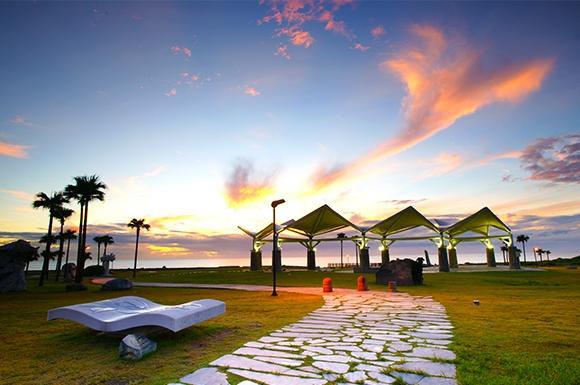
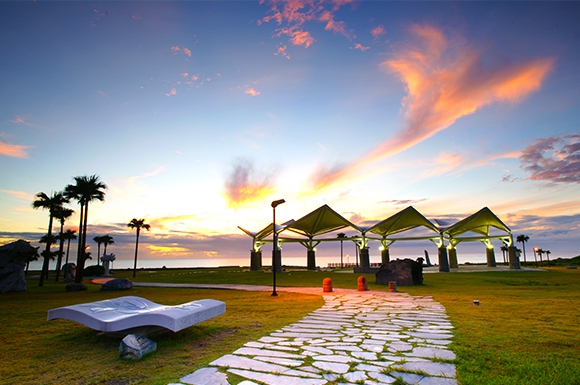
Hualien Harbor Landscape Bridge: Located on the Hualien coastal bike path, about 30 meters long, it was built to connect the inner harbor waterfront recreation area with the coastal bike lane. Its bold red color and striking curves attract visitors to stop and take photos. From the deck, you can enjoy views of the Hualien Harbor pier, and the lines of the freight railway tracks below are a favorite composition for photographers. Pacific 3D Landscape Park: The 3D murals at North Coast Park have an ocean theme. There is also a beach volleyball court nearby, making it a great spot for kids. Or walk to the seaside side and enjoy the sea breeze and ocean views. Hualien Cultural and Creative Industries Park: Converted from a century-old sake brewery, it is one of Taiwan's five major creative parks. After restoration, the former brewery opened to the public. It includes 26 old warehouses that preserve Japanese cypress and concrete architecture, with exhibition spaces, specialty dining, creative shops and arts venues. Markets and exhibitions are held irregularly on weekends. Hualien Dongdamen Night Market, formerly known as Nanbin Night Market, Ziqiang Night Market or Rainbow Night Market, is a night market at the intersection of Chongqing Road and Zhongshan Road in Hualien City, Hualien County, Taiwan. It spans the Minmin, Minzu and Minzhi villages of the Second Lianhe Village district of Hualien City. Its layout can be divided into four areas: Fuding Night Market, Ziqiang Night Market, Indigenous Street and Mainland Provinces Street, covering about 9 hectares.
- D8
Suhua Highway – Qingshui Cliffs – Heping Train Station – Fenniaolin Fishing Port – Nanfangao – Suao – Luodong Night Market
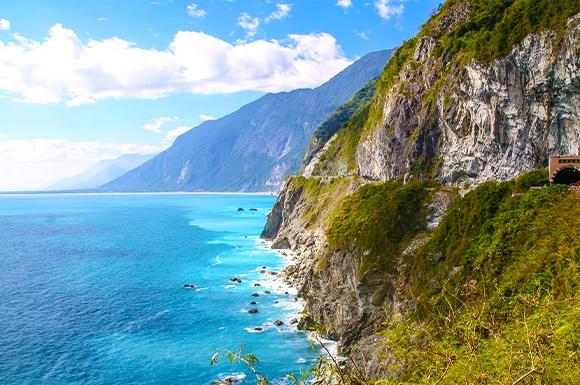
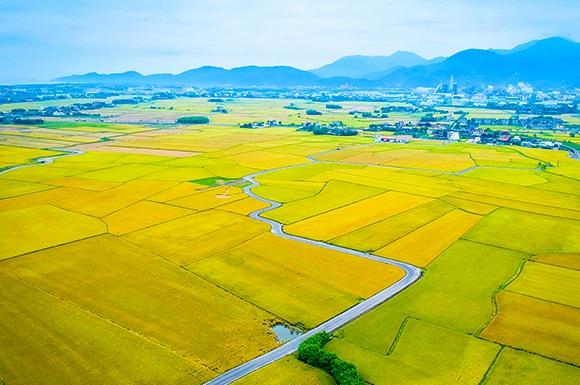
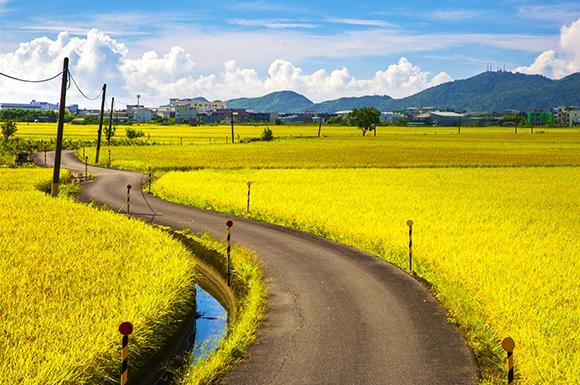
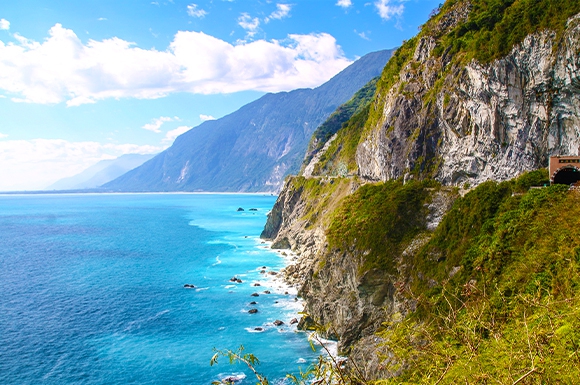
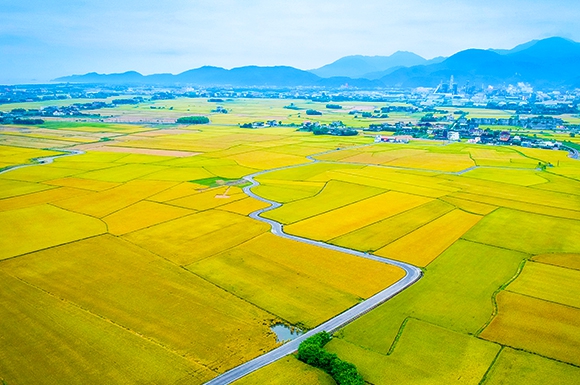
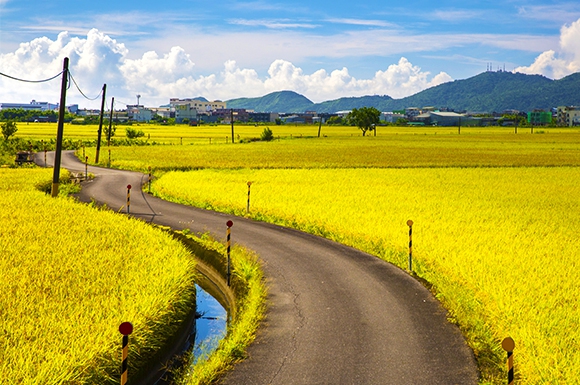
Suhua Highway: a major road along Taiwan's east coast, forming part of Provincial Highway 9 and Provincial Highway 9D. Tunnels continued to be built and the road was widened and paved with asphalt. On October 25, 1990, it was converted to two-way traffic. Qixingtan: also known as Crescent Bay, a scenic area in Hualien County that connects Taroko National Park, the east coast, and the East Rift Valley National Scenic Area. Chongde Gravel Beach: a hidden little station tucked beside Suhua Highway. Chongde Station, a Class 3 Taiwan Railway station, sees fewer than 50 passengers entering and exiting on average each day. It is also the only station in Hualien County with unobstructed views of the Pacific Ocean and the gorge. A short walk away at Chongde Gravel Beach, you can gaze at the full stretch of the Qingshui Cliffs while the sound of the waves washes over you, a truly refreshing experience. The nearby Chongde Village is a quiet Indigenous settlement and small fishing village! Chongde Rest Area: the parking lot sits by the north portal of Chongde Tunnel and is a viewpoint for the Qingshui Cliffs, with an observation deck. The higher deck has a stone marker reading "Qingshui Cliff." The Chongde Trail leads down to a platform where you can view the beach. Qingshui Cliff: a coastal cliff in Xiulin Township and a famous scenic spot along the Suhua Highway and the Renzhi to Chongde section. It is one of the Eight Scenic Views of Taiwan. It looks like a mountain wall rising perpendicular to the coastline. Looking down, you see an endless expanse of ocean. What courage it must have taken to carve out this road! Below is a bottomless trench, and above is a cliff where falling rocks could come at any moment. The road is only a narrow two-lane road. In some places there are escape lanes, or just enough room for two vehicles to pass where the cliffs come close, but there is no sidewalk at all, making it extremely dangerous. Pass through Renshui Tunnel to reach Renhe Station. It is a railway station on Taiwan Railway's North-Link Line, built to support cement transport between Beipu and Heping. Heping Station: located in Heping Village in Xiulin Township, home mainly to the Taroko people, near the Taiwan Cement Heping Industrial Zone and Heping Power Plant. It is a railway station on the North-Link Line, mainly handling cement raw material transport, and serves as a freight marshalling yard. Cross the Dazhuo River to enter Yilan County. Nanao Township: a township under Yilan County, located at the southernmost tip of Yilan County. It borders Suao Town to the northeast, the Pacific Ocean to the southeast, and Xiulin Township of Hualien County to the south. It is the largest, least populated, and least dense administrative district in Yilan County. Its residents are mainly Atayal Indigenous people. The name Nanao first appears in historical records from the 15th year of the Jiaqing era (1810 AD). At that time, because the area lay south of Suao, it was called Da Nanao. It was renamed Nanao in 1912. During the Qing era, it belonged to the "Houshan" region and long maintained a tribal social structure. Nanao Guanyin Coast: a narrow coastal landform between Nanao and Guanyin in Yilan. Compression of the crustal rock layers, erosion by the Pacific, and weathering have shaped cliffs and clusters of sea caves along the shore. The Nanao Guanyin Coast stretches about six to seven kilometers and is known locally as the Mysterious Beach. It is now the Guanyin Coast Nature Reserve. A round-trip walk takes about 4 hours. Along the shore are continuous sea caves of varying sizes, and some contain small streams that trickle inside, creating the Shuilian Cave scenery. Nanao North River Scenic Bridge, Atayal Culture Museum, Chaoyang National Trail, Chaoyang Fishing Port. Dongao Fenniaolin Fishing Port: a secluded fishing port at Wushi Bi, with a real sense of being at the edge of the world. In the early days, many wild pigeons roosted at the harbor, which is how Fenniaolin got its name. Though small, the beach in front of the harbor, Dongao Bay, is a gentle pebble shore, with green mountains embracing the deep blue sea. It has become a must-visit for east coast travelers. Reef rocks around the harbor have formed many jagged rock formations that draw adventurers to this hidden seascape. The area is also a well-known fishing ground, with prized stone snapper, groupers, and other reef fish, making it a rock fishing paradise for many anglers. Nanfangao: Located in Suao Township, Yilan County, Nanfangao is the largest tied island in eastern Taiwan. Warm currents from the Kuroshio pass by its offshore waters, drawing many species of fish and creating rich fishing grounds. It has three fishing harbors and is one of Taiwan's three major fishing ports. Mackerel is caught here year-round, so Nanfangao Fishing Port is also known as the "Hometown of Mackerel," and it holds the Nanfangao Mackerel Festival promotional events every year. Nanfangao Viewing Platform: Located at the 108-kilometer mark of the Suhua Highway, at an elevation of about 140 meters, it offers a bird's-eye view where the sea and sky blend with Nanfangao, Beifangao, and the blue ocean. Views include the lush, majestic Tiger Head Mountain to the west, the beautiful blue waters of Beineiwei Bay to the north, the unique scenery of Doufu Cape, and even Turtle Island and Brush Rack Mountain. In the distance, the natural harbor of Suao Port, surrounded by mountains on three sides, and its formidable terrain are fully visible. This is the site of "Suao Mirage," one of the Eight Views of Lanyang mentioned in the Gemalan Hall Gazetteer from the 5th year of the Daoguang era of the Qing dynasty (1852 AD). Neiwei Beach: This crescent-shaped beach, with its deep blue sea under clear skies, is easy to fall in love with! It is often called Lovers' Bay. Nanfangao Fishing Culture Museum: The museum mainly introduces the geography, history, and fishing features of Nanfangao. Thanks to the Kuroshio and the local terrain, the area has rich fishing grounds. In Nanfangao, you can also see three types of harbors serving different purposes: military, commercial, and fishing. Nanfangao Mackerel Festival: Held once a year in Nanfangao around September, the festival promotes fishing culture, prays for favorable weather and a good catch, protects the marine environment, supports sustainable fisheries, and celebrates cultural heritage. The two festivals related to mackerel are the Mackerel Festival and the Mackerel Festival Event. The Mackerel Festival Event is organized by the Suao Fishermen's Association and focuses on promoting the fishing industry. Nanfangao Sightseeing Fish Market: If you want to buy fresh fish, head to the Second Fishing Port. For seafood, we recommend the live seafood restaurants in Nanfangao! Fried street food stalls on Nanning Road are always crowded, located between Nanning Market and the Nantian Palace Golden Mazu. Try shrimp cakes, oyster omelets, turnip cakes, and spring rolls. Suao Township: Located in the southeast of Yilan, right beside the vast Pacific Ocean, it is a must-pass gateway for travel in eastern Taiwan! Suao Cold Spring Park: Divided into Cold Spring Park, Cold Spring Experience Area, Ali Shi Cold Spring, Cold Spring Bathhouse, Nude Bath, Foot Soaking Pools, and Public Bath, offering plenty of choices. Come enjoy the icy carbonated cold springs this summer and cool off! Yilan Dongshan Bolang Bikeway: Rice paddies along the Sanqi Village path show a sea of vibrant green, and golden colored rice creates a surprisingly relaxing scene! When the harvest season arrives, the crowds surge, and the fields of golden rice ears are dazzling! Luodong Night Market: Located in the city center of Luodong Township around Zhongshan Park, this year-round night market is the most bustling commercial area in Luodong. A must-visit in Luodong, blending traditional and modern snacks, it is quite famous. Among the countless stalls, several are must-try star snacks, such as the scallion pancakes that always have long lines, mutton soup, baocai tapioca balls, and Sanxing meat rolls. Don't miss these foods at Luodong Night Market!
- D9
Yilan – Pinglin Tea Museum – Wulai Waterfall, Wulai Old Street – Xindian – Shenkeng Old Street – Taipei
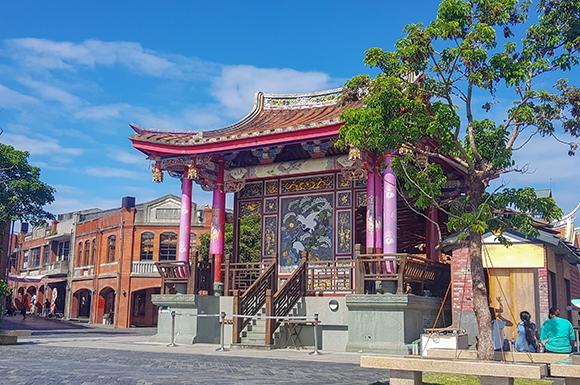
Yilan Traditional Arts Center: Located in Jixin Village, Wujie Township, right by Provincial Highway 2 (Binhai Highway) and the Dongshan River Waterfront Park. The center is dedicated to passing on and promoting traditional arts. Folk traditional arts are the beauty of everyday life and can broadly be divided into two categories. The first is performing arts, such as music, folk songs, dance, acrobatics, storytelling, small-scale opera, puppetry, and grand opera. The second is visual and craft arts, such as carving, weaving, painting, clay modeling, cut-and-paste porcelain, ceramics, metalwork, and other traditional handicrafts, which represent the finest essence of traditional art. Dongshan River Waterfront Park: Built along the 24-kilometer Dongshan River, this multifunctional riverside recreation area is themed as a waterfront park. The park offers excellent outdoor facilities, including an ecological conservation zone, water play areas, leisure activity zones, a water park, and a seaside area, among others. There are also wading pools, rowing ponds, an open-air theater, stargazing platforms, moon-viewing decks, and other landscape features with local character. Well-known international rowing races, dragon boat races, Western-style boat racing, and the Children's Toy Arts Festival, among other large-scale water events, are also held at the waterfront park. Pinglin Tea Museum: A Hokkien-style courtyard building from Anxi, themed around Taiwan's tea culture. Wulai Waterfall: Located in Wulai District within the Tamsui River watershed, this is a famous attraction in Wulai and the largest, highest-drop waterfall in northern Taiwan. The waterfall sits at an elevation of about 150 meters with a drop of about 80 meters, a suspended-valley waterfall formed by differential erosion. Wulai Old Street: The shops here showcase Indigenous character, and visitors can savor Indigenous mountain cuisine such as charcoal-grilled wild boar, hot spring eggs, pandan rice, bamboo tube rice, maqaw (mountain pepper) dishes, mountain sour vegetables, and wild onions, all rarely found elsewhere. Local specialties such as millet wine and millet mochi also make wonderful gifts for friends and family. For a closer look at the natural scenery, take the aerial cable car for an up-close view of the waterfall and mountain mist. Xindian District: One of the satellite cities within the inner ring of the Taipei metropolitan area, with mostly hilly terrain. Shenkeng: Shenkeng's prosperity was built on its Four Treasures of Shenkeng: tea, tofu, bamboo shoots, and black pork, which have maintained exceptional quality and become renowned local specialties. Plenty of surprising experiences also await around the commercial district. At the ferry crossing beside Shenkeng Old Street, which was once an important transfer station where tea from the Wenshan area was gathered and shipped along the Jinglong River a century ago, it also served as a post on the Danlan Old Trail and the Tea Road Old Trail leading to Dadaocheng. Return to downtown Taipei.
- D10
Taipei Departure

ที่พักและอาหาร
| วัน | อาหารเช้า | อาหารกลางวัน | อาหารค่ำ | ที่พัก |
|---|---|---|---|---|
| D1 | — | — | Chinese cuisine | The Grand Hotel Taipei or similar |
| D2 | Tea snacks | Jinshan Old Street | Keelung Miaokou | Keelung Evergreen Laurel Hotel or similar |
| D3 | at hotel | Jiufen Old Street | Grand Hotel Jiaoxi | Jiaoxi Grand Hotel or similar |
| D4 | at hotel | at Mingchi Lodge | at Taiping Lodge | Taiping Lodge or similar |
| D5 | at hotel | at Wuling Farm | at Lishan Guesthouse | Lishan Guesthouse or similar |
| D6 | at hotel | local cuisine | local cuisine | Taroko Leshan Tianyuan or similar |
| D7 | at hotel | local cuisine | at hotel | Hualien Hanpin Hotel or similar |
| D8 | At the hotel | Heping Shunxing Seafood Combination | Local specialty meal | Shangri-La Dongshan River Resort Hotel |
| D9 | at the hotel | local specialty meal | local specialty meal | The Grand Hotel Taipei or similar |
| D10 | at the hotel | — | — | — |
D1
- อาหารเช้า
- —
- อาหารกลางวัน
- —
- อาหารค่ำ
- Chinese cuisine
- ที่พัก
- The Grand Hotel Taipei or similar
D2
- อาหารเช้า
- Tea snacks
- อาหารกลางวัน
- Jinshan Old Street
- อาหารค่ำ
- Keelung Miaokou
- ที่พัก
- Keelung Evergreen Laurel Hotel or similar
D3
- อาหารเช้า
- at hotel
- อาหารกลางวัน
- Jiufen Old Street
- อาหารค่ำ
- Grand Hotel Jiaoxi
- ที่พัก
- Jiaoxi Grand Hotel or similar
D4
- อาหารเช้า
- at hotel
- อาหารกลางวัน
- at Mingchi Lodge
- อาหารค่ำ
- at Taiping Lodge
- ที่พัก
- Taiping Lodge or similar
D5
- อาหารเช้า
- at hotel
- อาหารกลางวัน
- at Wuling Farm
- อาหารค่ำ
- at Lishan Guesthouse
- ที่พัก
- Lishan Guesthouse or similar
D6
- อาหารเช้า
- at hotel
- อาหารกลางวัน
- local cuisine
- อาหารค่ำ
- local cuisine
- ที่พัก
- Taroko Leshan Tianyuan or similar
D7
- อาหารเช้า
- at hotel
- อาหารกลางวัน
- local cuisine
- อาหารค่ำ
- at hotel
- ที่พัก
- Hualien Hanpin Hotel or similar
D8
- อาหารเช้า
- At the hotel
- อาหารกลางวัน
- Heping Shunxing Seafood Combination
- อาหารค่ำ
- Local specialty meal
- ที่พัก
- Shangri-La Dongshan River Resort Hotel
D9
- อาหารเช้า
- at the hotel
- อาหารกลางวัน
- local specialty meal
- อาหารค่ำ
- local specialty meal
- ที่พัก
- The Grand Hotel Taipei or similar
D10
- อาหารเช้า
- at the hotel
- อาหารกลางวัน
- —
- อาหารค่ำ
- —
- ที่พัก
- —
อาหารและที่พักเป็นไปตามการจัดเตรียมจริง และอาจปรับเปลี่ยนตามฤดูกาล
รายละเอียดราคา
| รายการ | ราคา |
|---|---|
| ผู้ใหญ่ | NT$45,800 |
รวม
- Tour fee includes:
ไม่รวม
- 7. Tour leader, local guide and driver tips.
- Not included:
- 3. Hotel bellboy tips, luggage tips, phone charges, data SIM cards, laundry and other personal expenses.
การเดินทาง
Private transfers throughout the trip (minibus or coach depending on group size).
จุดนัดพบ / เวลา
Day 1: Airport pickup at the arrivals hall of Taoyuan International Airport (TPE). Please provide your arrival flight when registering.
Travelers already in Taipei may meet at East Gate 3 of Taipei Main Station instead (time to be announced).
นโยบายยกเลิกและคืนเงิน
Handled in accordance with the Tourism Administration, Ministry of Transportation and Communications "Domestic Travel Standard Form Contract":
Cancellation 41 or more days before departure: 5% of tour fee as compensation
Cancellation 31-40 days before departure: 10% of tour fee as compensation
Cancellation 21-30 days before departure: 20% of tour fee as compensation
Cancellation 2-20 days before departure: 30% of tour fee as compensation
Cancellation 1 day before departure: 50% of tour fee as compensation
Cancellation on the departure day or no-show without notice: 100% of tour fee as compensation
วีซ่าและประกันการเดินทาง
Foreign travelers should check the visa, electronic travel authorization or visa-free eligibility required for Taiwan based on their passport, and confirm that passport validity is at least 6 months (see "Travel Notes" on this website).
We have purchased travel liability insurance and performance guarantee insurance in accordance with the Tourism Development Act; we recommend travelers purchase personal travel accident and medical insurance separately.
หมายเหตุ
Tour fee includes:
1. Air tickets: Group economy class airfare and fuel surcharge.
2. Visa: Included.
3. Hotel: Twin sharing.
a. Tour price is based on twin-sharing occupancy.
b. Solo travelers may request a single room by paying the single supplement.
c. If no single room is requested, we will try to arrange room sharing; if this is not possible, a single supplement will be charged.
4. Meals: Hearty meals as listed in the itinerary.
5. Sightseeing: Sightseeing activities as listed in the itinerary, including coach transportation and admission fees.
6. Insurance: Travel contract liability insurance NT$3,000,000, accident medical insurance NT$200,000.
7. Tour leader, local guide and driver tips.
Not included:
1. Passport new application/renewal NT$1800: Original ID card required, two 2-inch color photos with ears visible on white background taken within the past six months, men under 40 must provide original military discharge papers, (existing valid old passport must be presented), valid for ten years.
2. Taiwan Compatriot Permit new application/renewal NT$1800: Copy of ID card, original passport (returned after inspection) (must be issued in Taiwan), original old Taiwan Compatriot Permit (for those who have applied before), one 2-inch photo taken within the past six months, valid for five years.
3. Hotel bellboy tips, luggage tips, phone charges, data SIM cards, laundry and other personal expenses.
ต่อคน
เริ่มต้น NT$45,800
ประมาณ ฿47,200อัตราแลกเปลี่ยนโดยประมาณ ราคาจริงเป็นดอลลาร์ไต้หวันใหม่ (NT$)
- ✓ ตอบกลับภายใน 24 ชั่วโมง
- สอบถามฟรี ทีมงานจะตอบกลับพร้อมใบเสนอราคาทางอีเมล
- นโยบายยกเลิกและคืนเงิน →
Greater Taipei, Yilan, Hualien & Central Cross-Island Highway, 10 Days
เริ่มต้น NT$45,800
ประมาณ ฿47,200