
Kinmen & Lesser Kinmen — Former Frontline Heritage, 6 Days
6 日間催行人数:1 名から難易度:やさしい
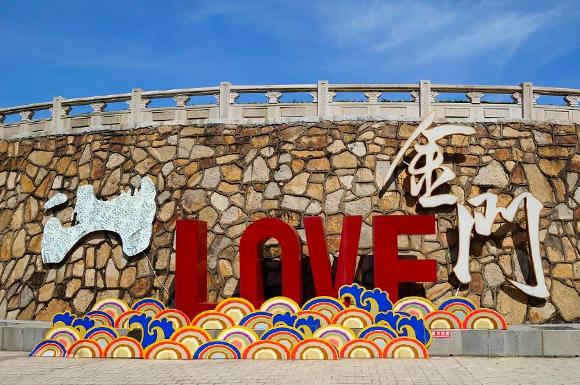
Explore Kinmen's Cold-War tunnels, Minnan-style villages and Lesser Kinmen on a relaxed premium itinerary.
ツアー概要
訪問エリア
- 台北・新北
- 金門
日数
6日間
5泊
食事
14食
朝 5・昼 4・夕 5
ペース
やさしい
ツアーのルート
色の付いたエリアがこのツアーの訪問地です。タップすると紹介ページへ。
ツアーの特色
Trip Highlights
Kinmen National Park
The park covers five areas: Taiwu Mountain, Guningtou, Guganggang, Mashan, and Lieyu.
It is Taiwan's sixth national park and the first one located on an outlying island. It is also the first national park focused on preserving historical and cultural assets and commemorating battles, while also serving to conserve natural resources.
Kinmen's Guardian Deity: The Wind Lion God
Kinmen's early settlers brought the belief in stone lions to ward off evil from Quanzhou and Zhangzhou. They set up Wind Lion Gods in villages and windy places, hoping they would shield against the wind and subdue evil forces. Over time this grew into a distinctive local belief, and the Wind Lion God became Kinmen's guardian.
Originally used to block the wind, the Wind Lion God became so renowned for its efficacy that it took on new protective roles, such as calming floods, guarding against road and house misfortunes, and keeping away termites. Even lost cattle or stolen items are said to be recovered by praying to the Wind Lion God. To show gratitude, local residents make ceremonial robes and offer sacrifices to the Wind Lion God, adding a touch of mystery and vivid storytelling to its legend.
Kinmen
Located at the mouth of the Jiulong River, Kinmen faces Xiamen Bay across the water, just 1.8 km away, and is 210 km from Taiwan.
It includes Kinmen Island (Greater Kinmen), Lieyu (Lesser Kinmen), and twelve other islands of various sizes, with a total area of 151 square kilometers.
Kinmen also administers two islands of Wuqiu Township (Daqiu and Xiaoqiu), located off the coast of Putian, Fujian Province.
Kinmen's bedrock is mainly gneiss, and its soils are mostly sandy and exposed red earth. Crops on the island are mainly drought-resistant grains.
Kinmen is a stopover for migratory birds, with the greatest variety of species. Every autumn and winter, large flocks of migratory birds come here to spend the winter, creating a remarkable natural spectacle.
Itinerary Map
Day 1 Taipei Songshan ✈ Kinmen → Guningtou → Lieyu Township (Lesser Kinmen)
Day 2 Lesser Kinmen → Kinmen → Juguang Tower → Dishan Tunnel
Day 3 Kinmen → Taihu Recreation Area → Taiwu Mountain Scenic Area
Day 4 Kinmen Folk Village → Kinmen Airport ✈ Taipei Songshan
フォトギャラリー
日程
- D1
Arrival in Taipei
Airport pick-up at Taoyuan International Airport (TPE) Shilin Night Market: Established in 1910, this market is famous for a wide variety of traditional snacks and attracts visitors from across Taiwan and around the world. Must-tries include Da Bing Bao Xiao Bing (big pancake wrapped around small pancake), stone hot pot, and the famous Shilin giant sausage, which have all become iconic local food landmarks. Tonight's accommodation: The Grand Hotel Taipei.
- D2
Taipei Songshan ✈ Kinmen → Guningtou Battle Museum → Cici Triangular Fort → Shuitou Folk Village → Lieyu Township (Lesser Kinmen)
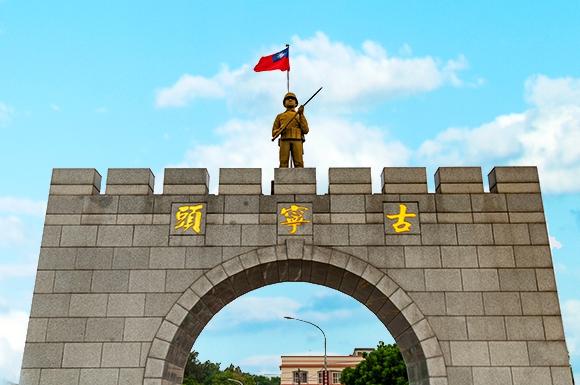
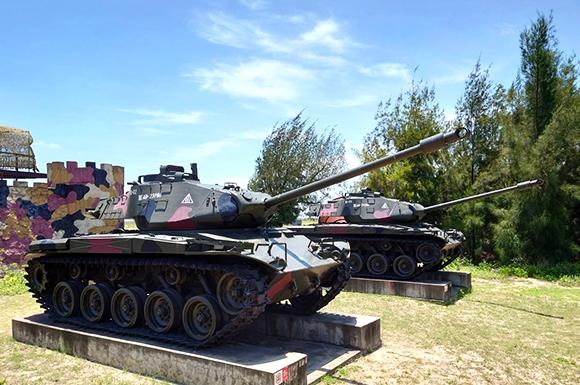
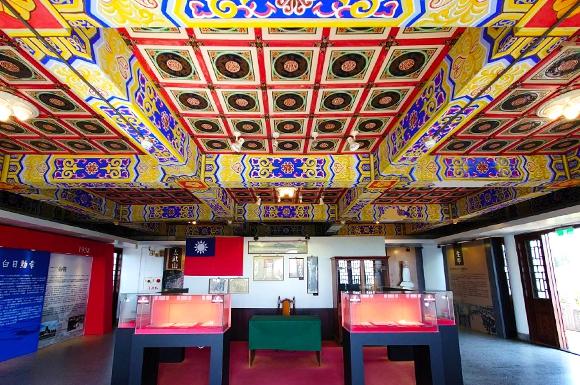
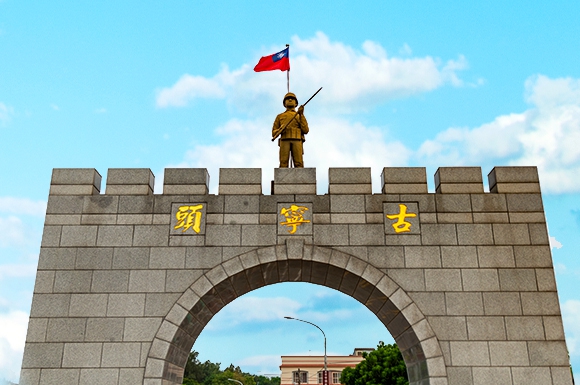
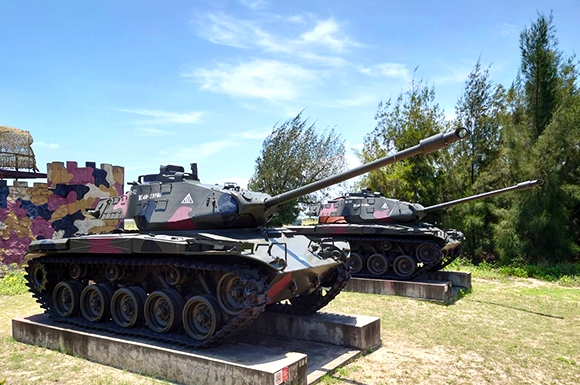
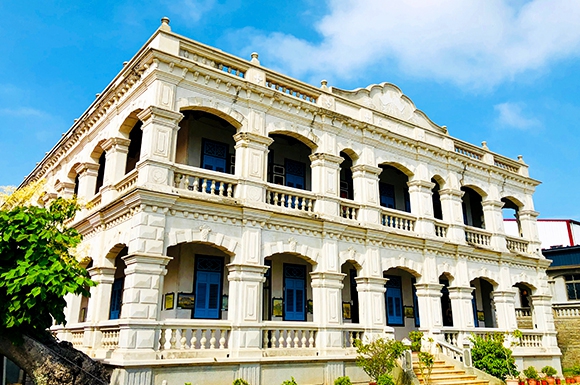
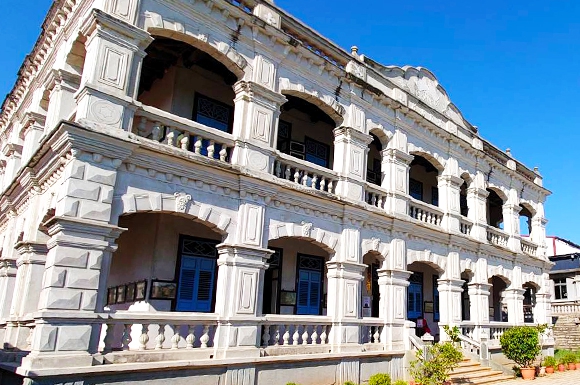
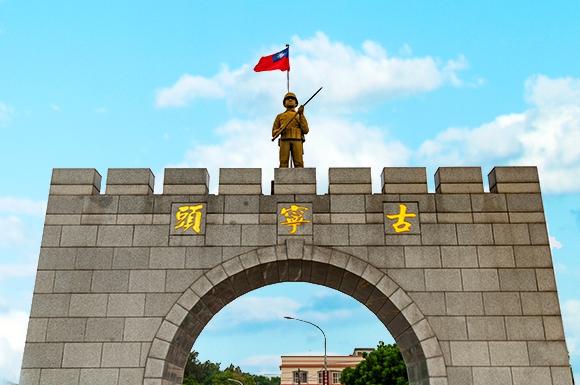
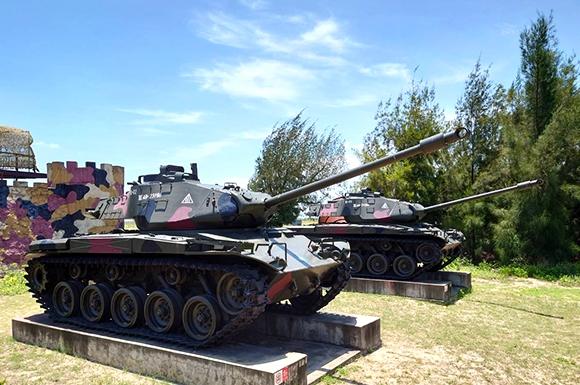
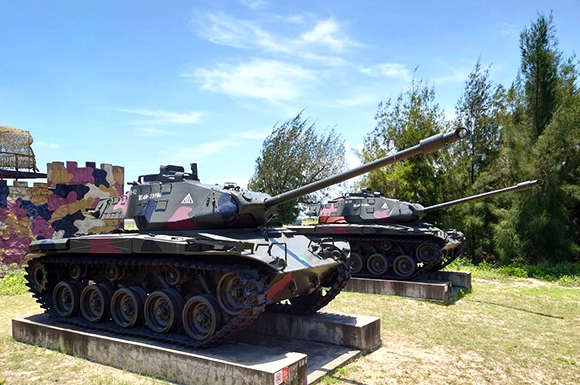
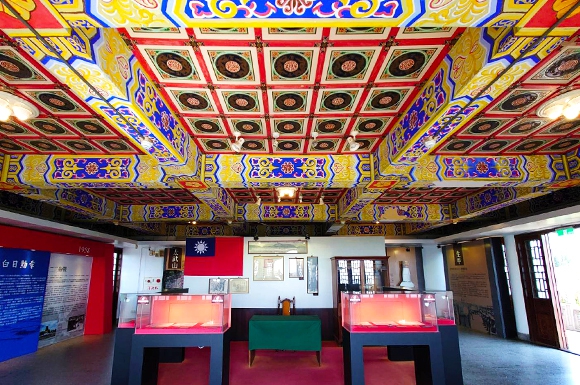
This tour includes transfers between Songshan, Taichung, Chiayi, Tainan and Kaohsiung airports and Kinmen flights. Today, head to the airport and check in with your airline at the counter, then check your luggage. After customs, proceed to your designated departure gate and board the flight to Kinmen, the frontline island closest to mainland China. Upon arrival in Kinmen, a professional driver-guide will welcome you at the airport. Board a minibus to begin your Kinmen tour. Guningtou Battle Museum: On October 25, 1949, the famous "Guningtou Battle" took place. After the battle, a long standoff between the Nationalist and Communist sides began. Following the cessation of artillery fire in 1979, the Kinmen military built the Guningtou Battle Museum in 1984. The museum's exterior is styled like an ancient castle, with M5A1 tanks that took part in the Guningtou Battle displayed on both sides. Inside, you'll find captured weapons, battle documents, photos of the commanders, and large oil paintings depicting the battle, recording the scenes of this significant modern historical conflict. Cixi Triangular Fort: Built with an artificial embankment, the Cixi dike encloses a large body of seawater to form a lake, providing fish and shrimp farming grounds for Kinmen fishermen. On clear days, you can see Xiamen in the distance. But Cixi is more than just a lake; it was also a key military stronghold. Today it is open to visitors from around the world and is a famous spot for birdwatching and ecological photography, especially for the rare Chinese cormorant, which attracts photographers from home and abroad. Beishan Old Western-Style Building: Built in 1928 by three brothers from Guningtou, Li Jinyu, Li Yanya and Li Tianzu, who found success in the coconut trade in Manila, Philippines. Upon returning home, they built a western-style building with two wings and a stacked gallery on their ancestral home in Beishan. Shuitou Overseas Chinese Cultural Village: Full of the spirit of Kinmen's overseas Chinese heritage, it tells the bitter stories of Kinmen residents who lived in Southeast Asia. It also features Kinmen's most beautiful Western-style architecture, including the Deyue Tower and Jinshui Elementary School, both built in 1930. ★ Take a ferry for about 20 minutes to Lesser Kinmen. Lieyu Township currently has a registered population of about 12,000 people. Lieyu Township, also known as Lesser Kinmen, lies between Kinmen and Xiamen, at the mouth of the Jiulong River. It includes the Dadan, Erdan, Sandan, Sidan, and Wudan islands, as well as Fuxing Islet, Menghu Islet, Shi Islet, Binglang Islet and other small islands. The closest island to mainland China is only 0.5 km away, making it the "outer island within the outer islands, frontline within the frontline" strategically.
- D3
Lesser Kinmen→Kinmen→Juguang Tower→Zhaishan Tunnel→Jiangong Islet
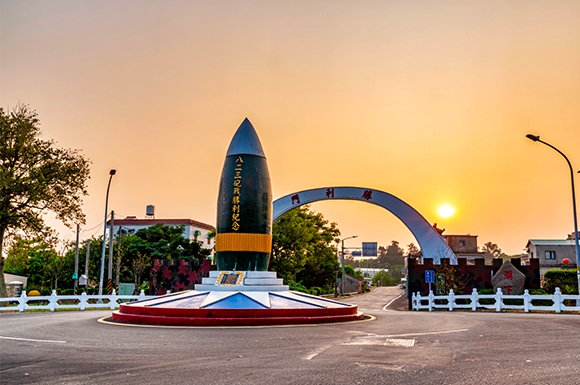
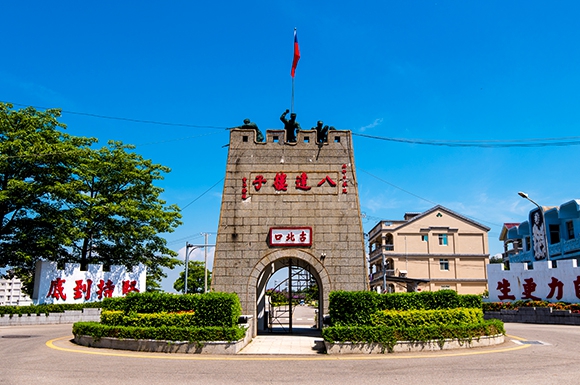
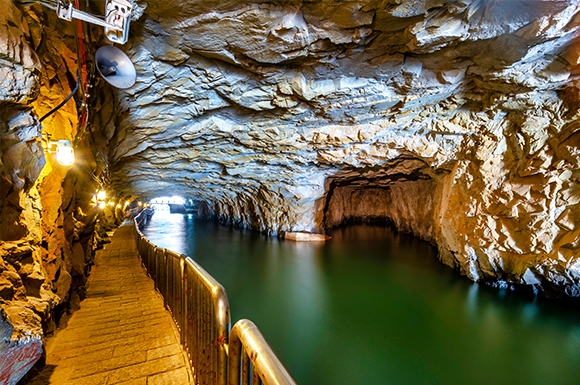
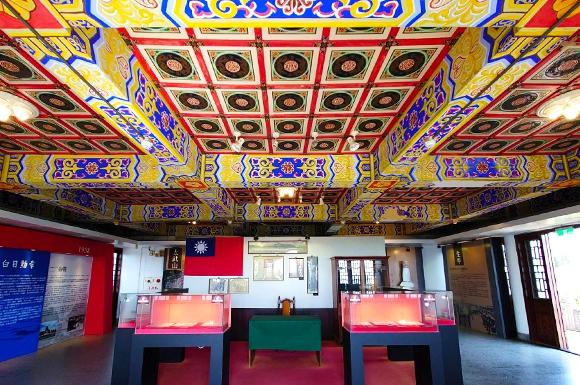
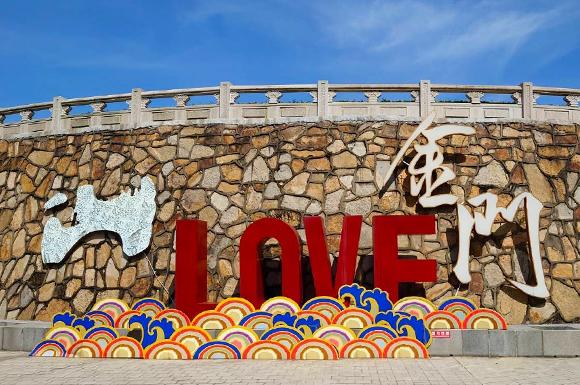
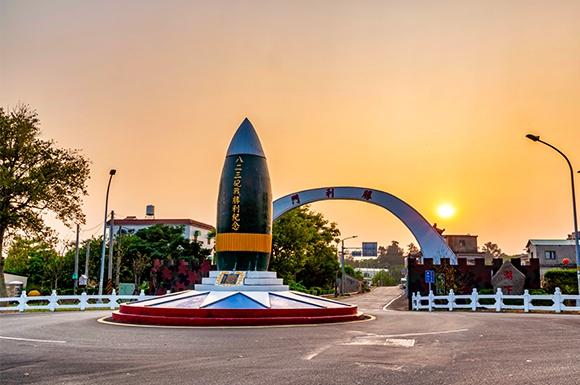
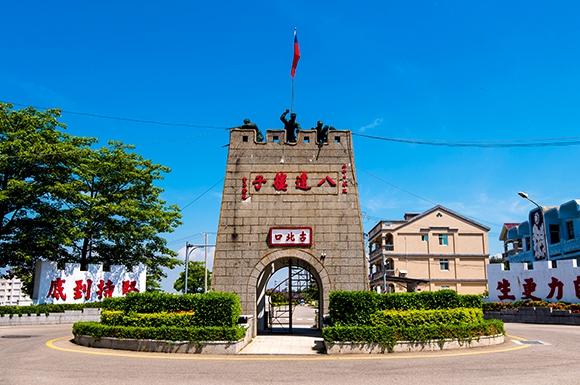
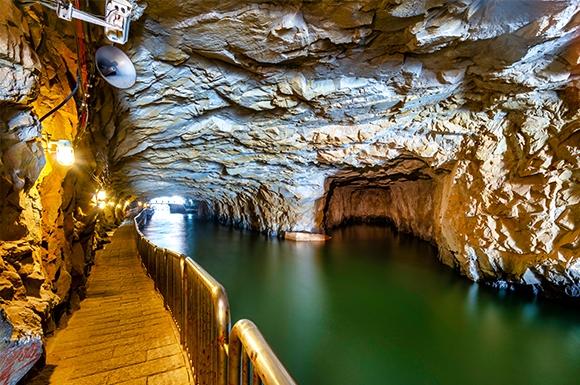
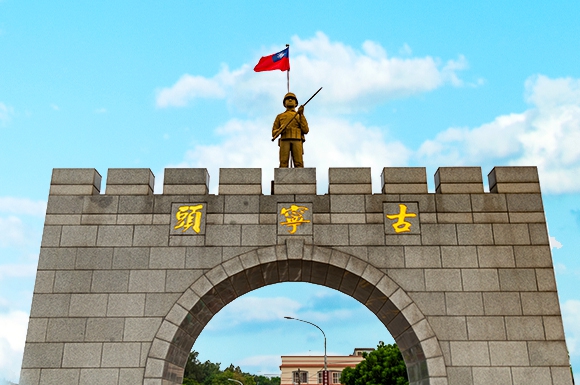
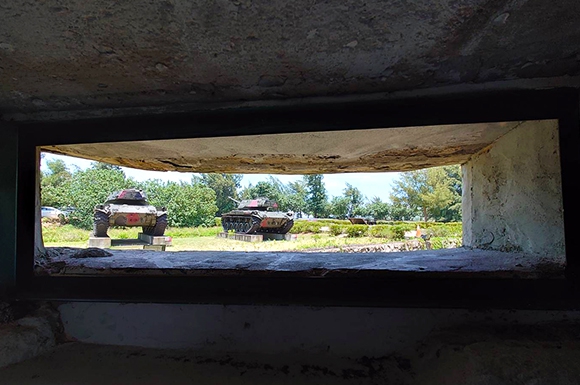
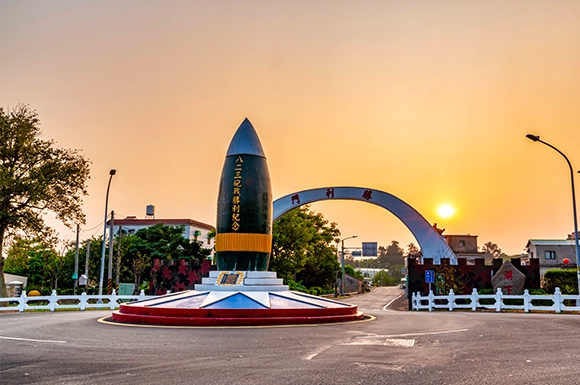
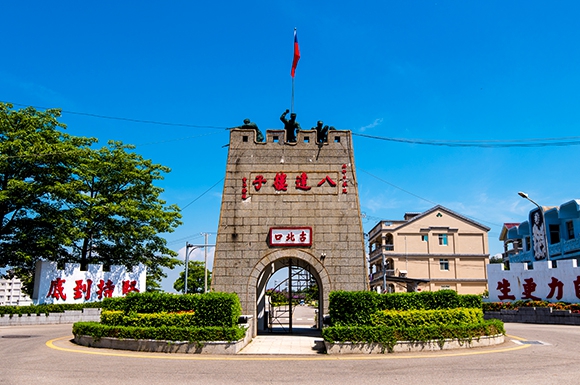
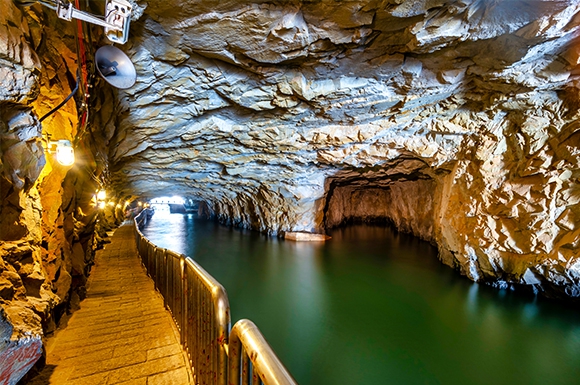
At 5 AM, your homestay host will lead everyone on a short walk to the seaside to watch the sunrise over the East, with a view of the opposite shore. Hidden gems include the Green Algae Coast, the Basalt Coast, and more. Round-the-Island Road: At 18.5 km long, this scenic route highlights the sea views and wartime fortifications of Lesser Kinmen. Starting from Jiugong Pier, ride counterclockwise past Jiangjun Fort, Tiehan Fort, Yongshi Fort, Mao Gong Shi Beach Rest Area, Hujingtou War History Museum, Lingshui Lake Bird-Watching Area, Donglin Coastal Area, and other sights. Tree-lined stretches make it feel like a green tunnel, and the ride is wonderfully comfortable and relaxing. Nanshantou Four Camps: The southernmost coastal military stronghold on Lieyu Island. The camp features 2 gun bunkers, 7 underground firing-port pillboxes, and 1 command post. The tunnels are a must-see, reaching three stories deep, with a layout and structure rarely seen among Kinmen's many tunnels. Shaxi Fort: Located on a headland outside Qingqi Village, it is mainly made of a mix of granite gneiss and granite. Viewed from Nanshantou, it looks just like a bird's beak, which is why it is also called "Phoenix Beak." At the westernmost point of Taiwan, a viewing pavilion has been built here. Following the sea breeze along the trail toward the pavilion, you feel embraced by the blue sea stretching to an unseen horizon, making it one of the Kinmen scenes that photographers never want to miss! L18 Stronghold: Built by the garrison of the 158th Division, construction began in 1987 and was completed in 1988. Donggu Camp lies on its right, and Qingqi Shaxi on its left. Siwei Tunnel: Also known as the "Jiugong Tunnel," it is a double-T-shaped waterway with 4 exits. The main tunnel is 790 meters long, 15 meters wide at its widest point, and about 11.5 meters high, making it the largest underground tunnel in the Kinmen area. Completed in 1954 (Minguo 54), it was originally used to transport troops and supplies during wartime and faces Zhaishan Tunnel on Greater Kinmen. Walking through the tunnel and touching the chisel marks, you can clearly feel the hardship of the soldiers who dug it. It is also a rare chance to step inside the mountain and observe the joints in Kinmen's granite. Near the tunnel exit, a wax figure of an officer digging the tunnel stands lifelike. Bada Tower: The rooftop is topped with statues of seven brave soldiers standing guard with rifles. They commemorate the 1933 Battle of Gubeikou between China and Japan, in which seven soldiers of a Great Wall unit of the National Army held a lonely fort and sacrificed their lives against overwhelming odds. In 1963, the Great Wall unit stationed on Lesser Kinmen built this replica of the Great Wall's Bada Tower and sculpted the seven heroes so later generations would not forget them. ★Take the ferry back to Kinmen. Juguang Tower: A three-story building located beside Juguang Lake in Jincheng Township, Kinmen County, Fujian Province, Republic of China. It was built in 1952. It was originally constructed to honor the National Army officers and soldiers who fought in the Battles of Guningtou and the 823 Artillery Battle, and it mainly commemorates General Hu Lian. The building's treasure is the Blue Sky with White Sun Medal, and the ROC postage stamps have featured this tower on their designs several times. Today, it is a well-known tourist attraction in Kinmen County. Chiu Liang-kung Mother's Chastity Arch: Built in the 17th year of the Jiaqing era of the Qing dynasty (1812), it was erected to honor the chaste and devoted deeds of the mother of Qiu Lianggong, a great general who pacified bandits. It is a national monument. The arch is carved from dark green bluestone and white stone from Quanzhou, with a majestic form and abundant decoration. It is the most magnificent arch surviving in Taiwan and Fujian. One of the stone lions at the base of the pillars is a colorfully dressed lioness revered as the "Stone Lion Goddess," said to be the embodiment of Mother Qiu's Madam Xu, and she is regarded by local residents as a guardian deity. Jincheng General Office: Since the 21st year of the Kangxi era of the Qing dynasty, when General Chen Long of Kinmen moved his seat from Kinmen City to Houpu, this site became the military and political center of Qing-era Kinmen. The Qing Kinmen General Office is the only general office of its kind in Taiwan and Fujian, and it holds great historical value. The existing layout dates back to the Qing Daoguang era and follows a four-courtyard design along a central axis, arranged from front to back: the Shanchuan Gate, the Main Hall, the Passage Hall, the Inner Office, and the Inner Residence. This creates a clear separation between the outer, public zones and the inner, private quarters. The Shanchuan Gate serves as the facade, the Main Hall was the primary administrative space and the heart of the General Garrison Headquarters, and the Inner Residence was the living quarters, flanked by wing rooms used as offices for staff. After the Republic of China was established, the site housed a succession of government agencies, including the Kinmen County Government Office, the Kinmen Defense Command, the Fujian Provincial Government, and the Kinmen Battle Zone Administrative Committee, giving it special historical significance. Today it is a museum showcasing military and governance life of the Qing dynasty. Zhaishan Tunnel: Descend the stairs and step into the dim light of Zhaishan Tunnel, where the awe-inspiring military engineering is right before your eyes. At the end of the tunnel, the deep, bottomless sea waters offer a refreshing escape from the summer heat. Within Zhaishan Tunnel, the long and spacious tunnel and waterway sections were carved out during the 823 Artillery Bombardment, when countless workers spent five years excavating this massive project capable of accommodating and turning 42 small waterway boats. It is hailed as one of the masterpieces of the "Underground Kinmen." Walking forward with the rippling reflections on the water, you will be moved by the hard work of the National Army soldiers during wartime. Outside the tunnel, various landing craft and anti-aircraft weapons are on display, preserving military memories worth stopping to explore and photograph. Jiangong Islet: One of the New Ten Scenic Spots of Kinmen, connected to the main island of Kinmen by a 500-meter stone slab walkway stretching across the sea, it is known as the "Kinmen version of Moses Parting the Sea." In recent years, Jiangong Islet has become a distinctive attraction visited by a steady stream of local and international tourists. It was a filming location for the Japanese film "Fraud Game: The Final Chapter" and the Taiwanese film "Summer Love 38°C."
- D4
Kinmen → Chen Jinglan Western-Style Building → Chenggong Tunnel → 823 War History Museum → Taihu Recreation Area → Taiwu Mountain Scenic Area
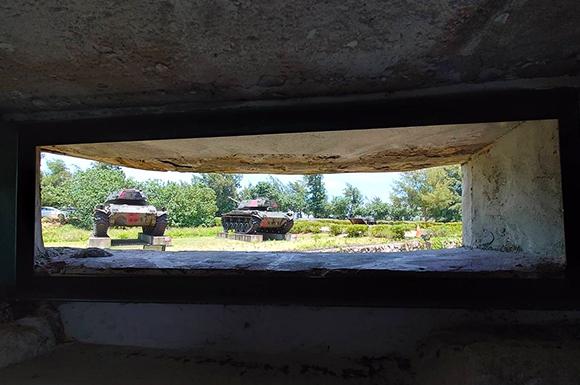
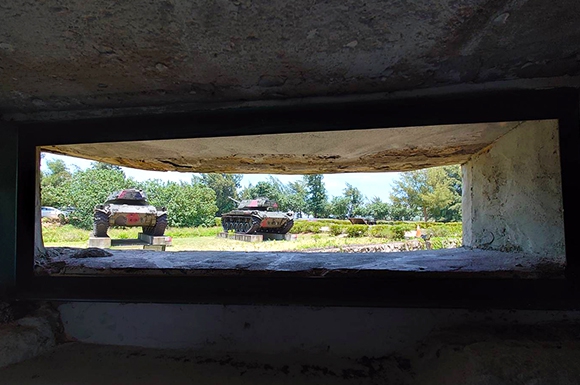
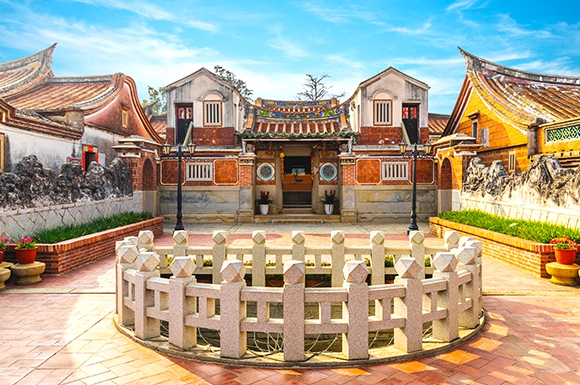
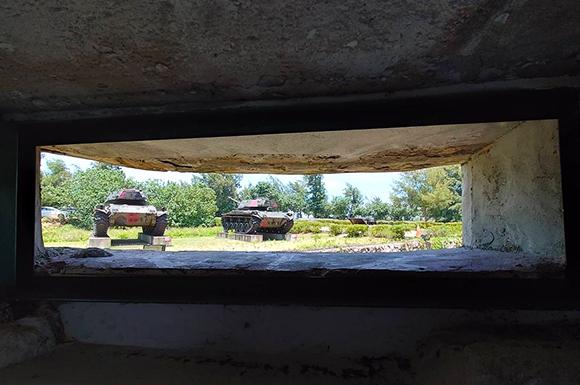
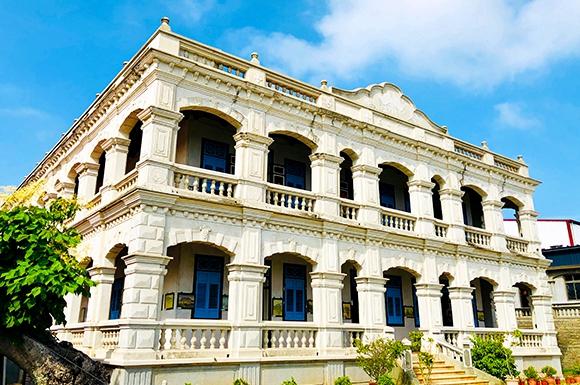
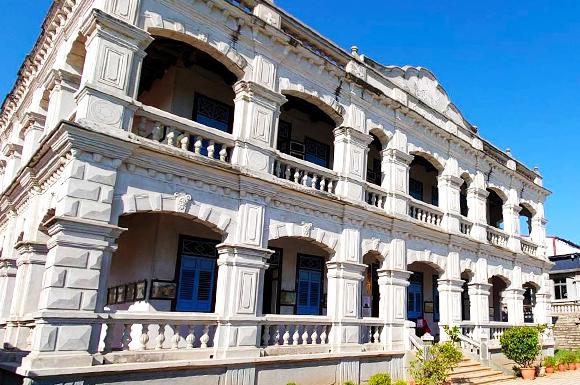
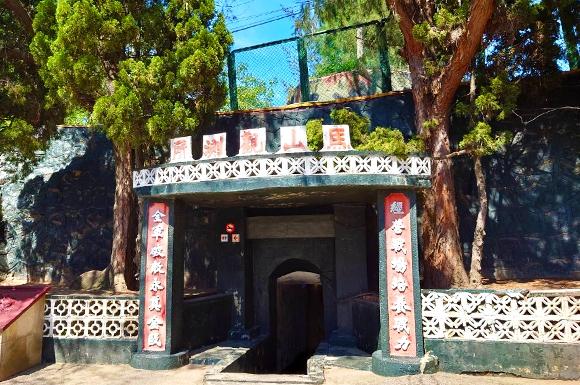
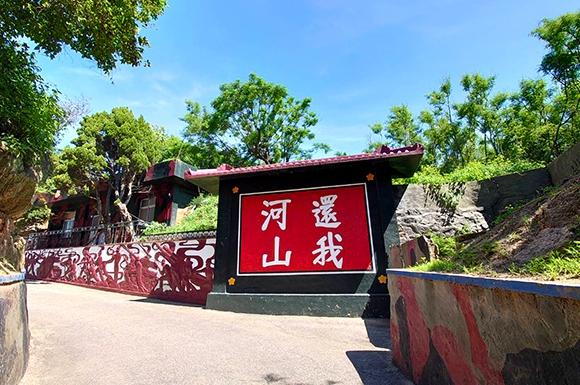
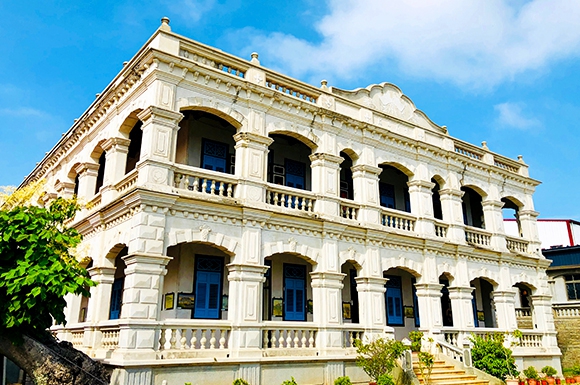
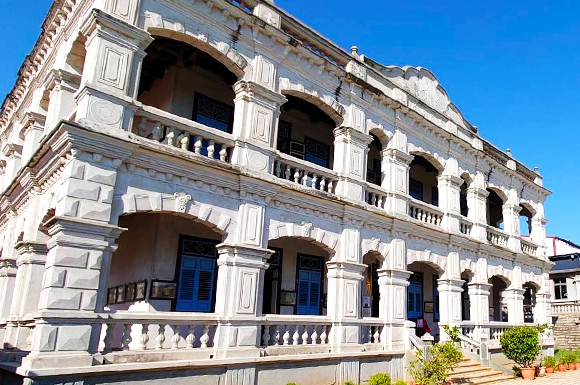
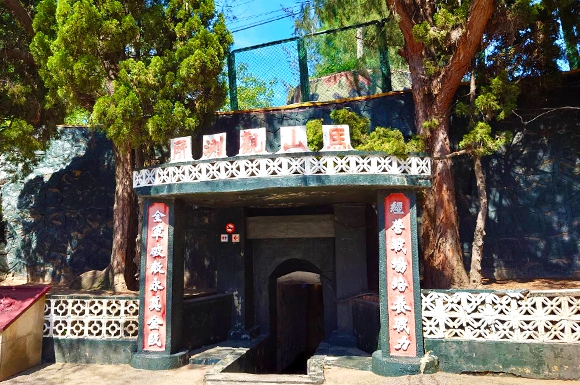
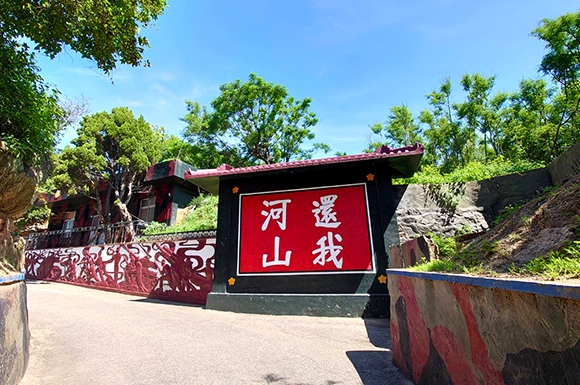
Take a minibus to explore Kinmen's main scenic spots. Chen Ching-lan Mansion: Kinmen's most magnificent and largest old Western-style mansion. Its history reflects the changes the mansion has seen and is a microcosm of Kinmen's modern history. Success Tunnel: Carved out of granite, the Success Tunnel sits in front of the popular Chen Ching-lan Mansion. It combines a coastal tunnel and a civil defense tunnel. Compared with other tunnels on Kinmen, it is smaller, but it has a command post, anti-tank gun positions, anti-aircraft gun positions, machine gun bunkers, bedrooms and a kitchen, all of which played a major role in wartime. Many life-size figures now recreate scenes of past defense, and an M-41 tank is parked at the tank bunker for close-up viewing. The 560-meter tunnel is divided at Zhongxing Pavilion. The seaward section is controlled by the military and monitors the Liaoluo Bay area, while the other end leads to the Zhengyi Village Office, a shelter for residents, vividly reflecting the spirit of military and civilians being one family in Kinmen's past. Today, the Success Tunnel and beach have shed their wartime grimness, and the blue sea has become one of Kinmen's most popular summer spots for water play! 823 War History Museum: A building in traditional style. Both sides of the front exterior wall are engraved with the names of hundreds of National Army heroes who gave their lives in the artillery battles. Next to the museum are weapons used during the bombardment, including an F-86 Sabre fighter jet, an LVT amphibious landing vehicle, an M-24 light tank, and a 155mm howitzer. It introduces the international situation on the eve of the 823 Artillery Bombardment, 44 days of real crisis, the keys to the battle, its military achievements, and the alternate-day shelling era that followed. Taihu Recreation Area: Kinmen's largest man-made freshwater lake, supplying domestic water to the Jinhu area and irrigation water for farmers. The vast lake surface is majestic, with three islets where many birds nest, and it is also home to adorable otters. Dense flowers and plants line the lake, and a stroll along the lakeside trail offers sweeping views of lake and mountain scenery! Zhongshanlin Visitor Center: Built in classical Hokkien style, featuring red and gray as its architectural signature. Besides exhibits on the origins of Kinmen National Park, it also displays Kinmen's history and traditional village architecture, with an overview of its natural ecology and battle heritage. Learn about Kinmen's historical background, cultural roots, unique battle history and rich natural landscapes, and see the efforts the national park has made to protect these precious cultural and natural assets. Taiwu Mountain Scenic Area: Taiwu Mountain sits in the center of Kinmen Island. Although it stands only 253 meters above sea level, it is Kinmen's highest peak. It is an important memorial site of the 823 Artillery Bombardment. Besides climbing for views and hiking, the mountain is rich in cultural landmarks such as Never Forget Ju and Haiyin Temple, both highlights of Kinmen. Never Forget Ju: Encourages visitors to follow the spirit of Tian Dan of the Qi State in the Warring States period, who fought a much larger enemy with few men, and to strive to create new possibilities. The cliffside stone carving, dozens of zhang tall, is one of Kinmen's most famous landmarks and is now a favorite spot for visitors to take photos.
- D5
Mashan Observation Post→Kinmen Folk Village→Ruiyou School Mural Wall→Kinmen Airport ✈Songshan, Taipei
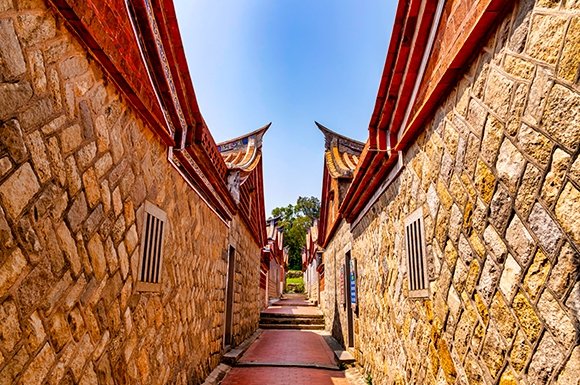
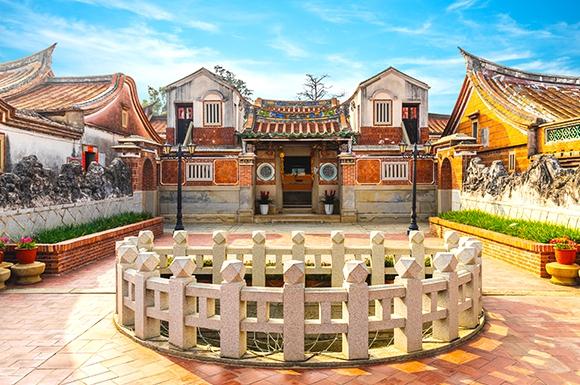
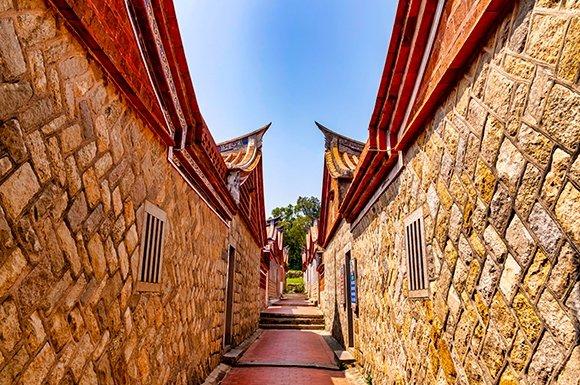
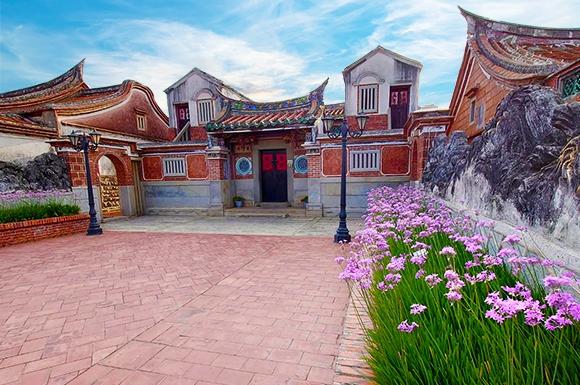
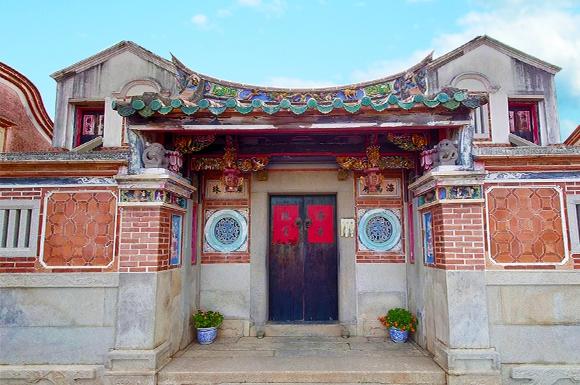
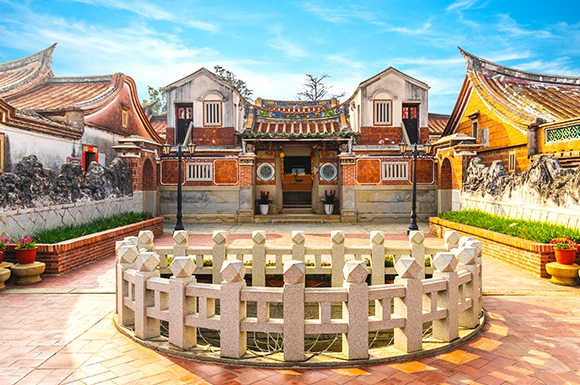
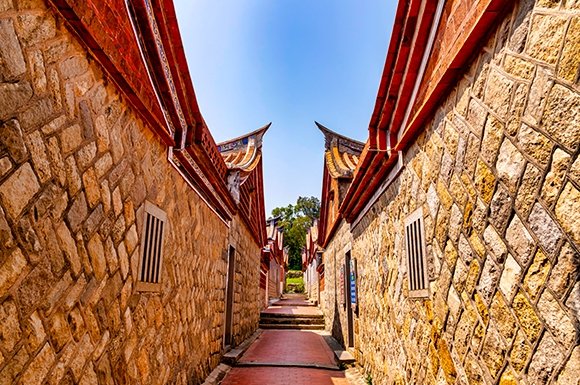
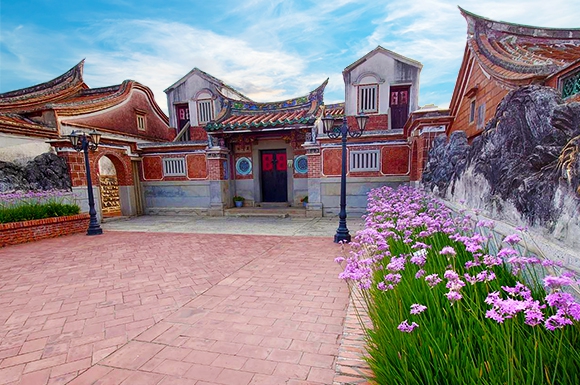
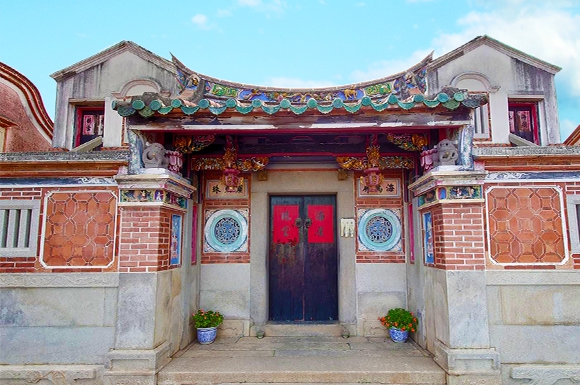
★After breakfast, take a minibus to continue exploring Kinmen's main scenic spots. Mashan Observation Post: The closest point in Kinmen to mainland China, only 2.3 km away. It became one of the frontline bases during the cross-strait standoff and is known as 'the first sentry post under heaven.' Since the establishment of Kinmen National Park, the observation post has gradually opened to the public, letting us uncover the mystery of this 'first sentry post under heaven'! Kinmen Folk Village: If you want to see a complete cluster of traditional ancestral houses on Kinmen, don't miss the Shanhou Folk Village in Jinsha Township! Completed in the 26th year of the Guangxu era of the Qing dynasty, it was built by the Wang family's father and son, Wang Guozhen and Wang Jingxiang, who found success doing business in Japan and rallied clan members to develop the site. It covers a considerable area and includes 16 traditional Hokkien two-courtyard buildings, 1 school building and 1 Wang ancestral hall, 18 buildings in total, collectively known as the 'Eighteen Houses.' Ruiyou School Mural Wall in Bishan Village: Kinmen has quite a few murals, and the one beside Ruiyou School in Bishan Village is a very popular photo spot. The mural walls scattered around the village are charming and photogenic, and since the area is quite secluded, there are not many people. Taking photos here feels really relaxing, and you can also visit Ruiyou School, a county-designated historic site of Kinmen. Board the flight back to Taiwan Island, Taipei.
- D6
Departure from Taipei
宿泊と食事
| 日程 | 朝食 | 昼食 | 夕食 | 宿泊 |
|---|---|---|---|---|
| D1 | — | — | Chinese cuisine | The Grand Hotel Taipei or similar |
| D2 | at hotel | Kinmen local cuisine | Kinmen local cuisine | Lesser Kinmen Sanding Homestay or similar |
| D3 | At hotel or homestay | Kinmen local cuisine | Kinmen local cuisine | 5-star Kinmen Golden Lake Hotel or similar |
| D4 | hotel or homestay | Kinmen local cuisine | Kinmen local cuisine | 5* Sheng Heng Chang Jinhu Grand Hotel or similar |
| D5 | hotel or homestay | Kinmen local cuisine | Chinese cuisine | The Grand Hotel Taipei or similar |
| D6 | in hotel | — | — | — |
D1
- 朝食
- —
- 昼食
- —
- 夕食
- Chinese cuisine
- 宿泊
- The Grand Hotel Taipei or similar
D2
- 朝食
- at hotel
- 昼食
- Kinmen local cuisine
- 夕食
- Kinmen local cuisine
- 宿泊
- Lesser Kinmen Sanding Homestay or similar
D3
- 朝食
- At hotel or homestay
- 昼食
- Kinmen local cuisine
- 夕食
- Kinmen local cuisine
- 宿泊
- 5-star Kinmen Golden Lake Hotel or similar
D4
- 朝食
- hotel or homestay
- 昼食
- Kinmen local cuisine
- 夕食
- Kinmen local cuisine
- 宿泊
- 5* Sheng Heng Chang Jinhu Grand Hotel or similar
D5
- 朝食
- hotel or homestay
- 昼食
- Kinmen local cuisine
- 夕食
- Chinese cuisine
- 宿泊
- The Grand Hotel Taipei or similar
D6
- 朝食
- in hotel
- 昼食
- —
- 夕食
- —
- 宿泊
- —
食事・宿泊は実際の手配に準じ、季節により変更となる場合があります。
料金明細
| 項目 | 金額 |
|---|---|
| 大人 | NT$26,800 |
含まれるもの
- Accommodation as listed in the itinerary (twin sharing)
- Meals as listed in the itinerary
- All transportation
- Admission tickets to attractions listed in the itinerary
- Travel agency liability insurance
含まれないもの
- Tour leader and driver tipping (NT$250 per person per day)
- Personal expenses and optional activities not included in the itinerary
- Personal travel accident insurance
交通
Taiwan Island segment: private transfers (9-seat minibus or tour bus depending on group size).
Outlying island segment: domestic flight tickets or ferry tickets are included in the tour price (subject to changes announced by the airline or ferry operator).
集合場所・時間
Day 1: Pick-up at the arrivals hall of Taoyuan International Airport (TPE). Please provide your arrival flight details when registering.
Travelers already in Taipei may instead meet at the East Gate 3 of Taipei Main Station (time to be notified separately).
キャンセル・返金
Handled according to the Tourism Administration's "Standard Form of Domestic Travel Contract":
Cancellation 41 or more days before departure: 5% of the tour fee as compensation
Cancellation 31–40 days before departure: 10% of the tour fee as compensation
Cancellation 21–30 days before departure: 20% of the tour fee as compensation
Cancellation 2–20 days before departure: 30% of the tour fee as compensation
Cancellation 1 day before departure: 50% of the tour fee as compensation
Cancellation on the day of departure, or failure to notify and not joining: 100% of the tour fee as compensation
ビザ・旅行保険
Foreign travelers should confirm the visa, electronic travel authorization, or visa-free eligibility required for entering Taiwan based on their passport, and make sure their passport is valid for at least 6 months (see the "Travel Information" section of this website for details).
In accordance with the Tourism Development Act, we carry travel agency liability insurance and performance guarantee insurance; we recommend that travelers purchase personal travel accident and medical insurance separately.
注意事項
Traveling in a 9-seat minibus, with departure once 6 guests have signed up. Our drivers double as guides, the Kinmen locals who know the island best,
so you get the most detailed sightseeing, the most heartfelt cultural insights, the most thorough local customs, and the most flexible itinerary,
with all the local food you could want recommended to you, and the most satisfying service.
1人あたり
NT$26,800 〜
約 ¥130,000参考レートです。正式なお見積りは台湾ドル(NT$)です。
シリーズ
台灣離島系列 →- ✓ 24時間以内に返信
- お問い合わせは無料です。担当者がメールでお見積もりをお送りします。
- キャンセル・返金 →
Kinmen & Lesser Kinmen — Former Frontline Heritage, 6 Days
NT$26,800〜
約 ¥130,000