
Matsu Blue Tears — Nangan, Beigan & Juguang, 6 Days
6 díasTamaño del grupo: desde 1 viajeroDificultad: Fácil
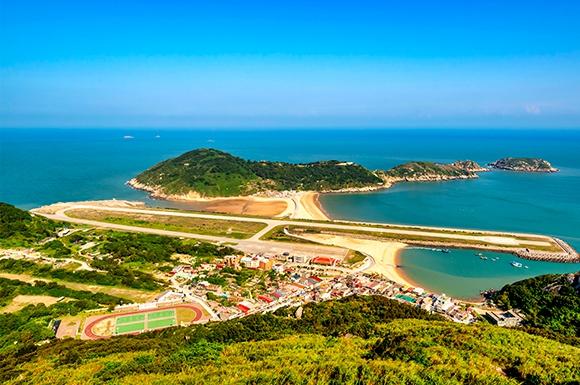
See the bioluminescent "blue tears", granite fishing villages and wartime tunnels across the Matsu archipelago.
De un vistazo
Lugares
- Taipéi y Nuevo Taipéi
- Matsu
Duración
6días
5 noches
Comidas incluidas
12comidas
Des. 4 · Alm. 3 · Cena 5
Ritmo
Fácil
Recorrido del tour
Las zonas resaltadas forman parte del tour; toca una para saber más.
Lo destacado del tour
Trip Highlights
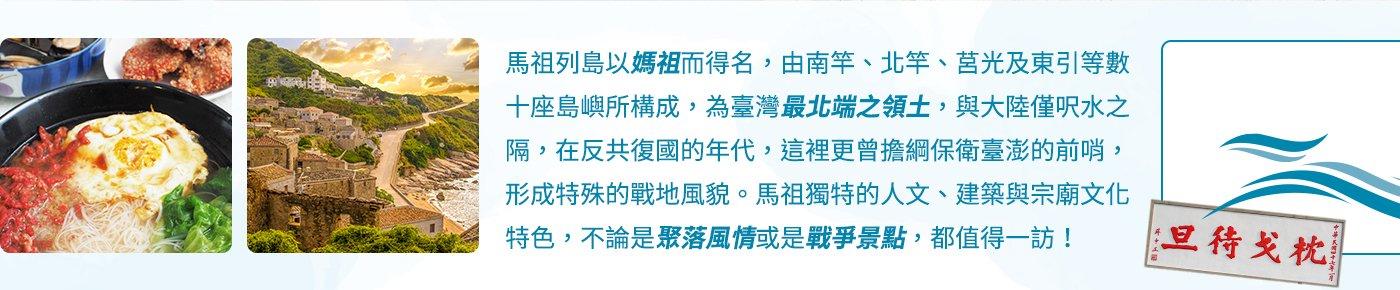
Matsu National Scenic Area: Includes Nangan Island, Beigan Island, Juguang Island, Dongyin Island and other areas.
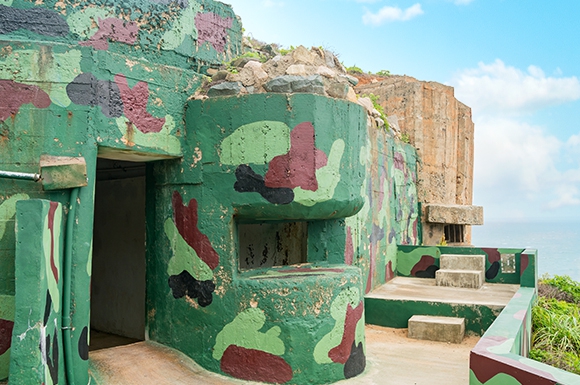
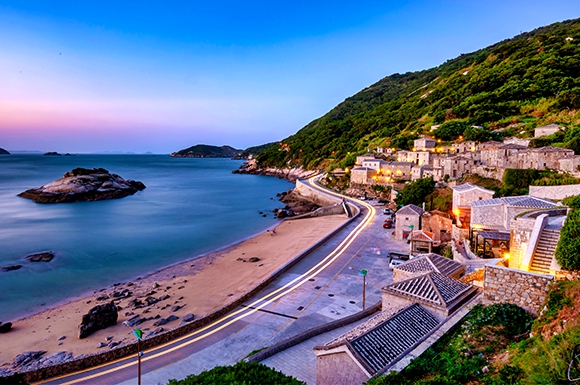
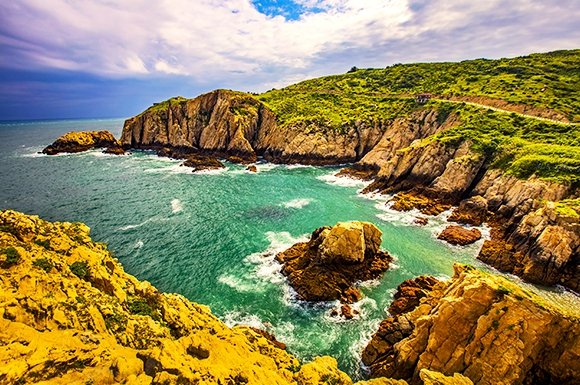
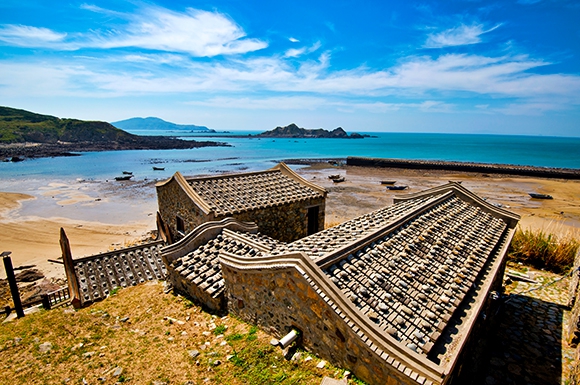
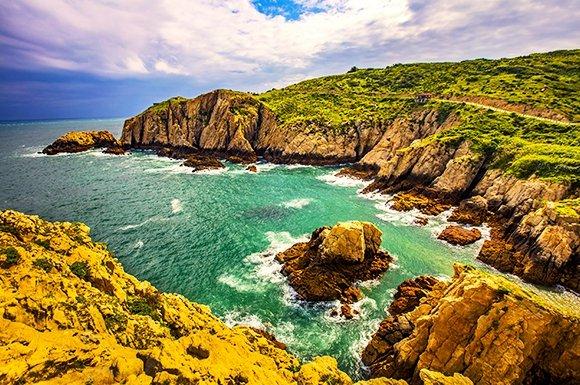
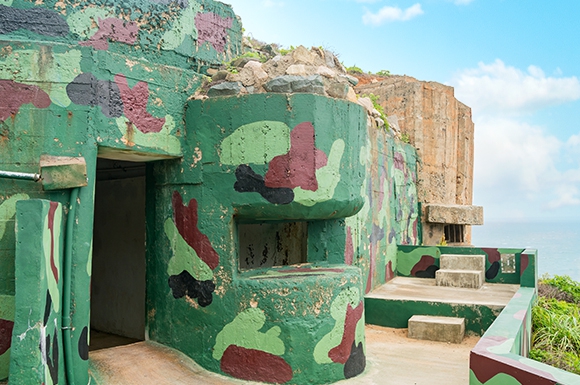
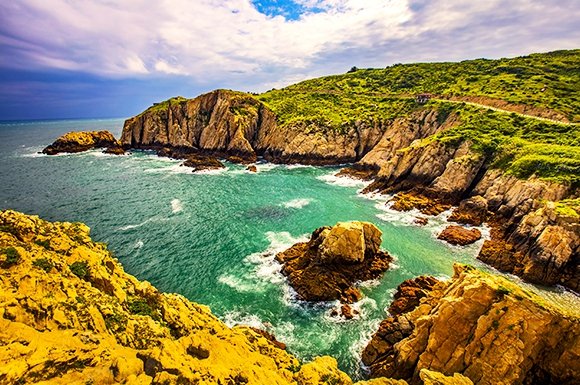
The scenic area is dominated by granite landforms, with distinctive scenery including sea-eroded terrain, natural sand and pebble beaches, dunes, reefs, and sheer cliffs. Matsu also has a unique wartime culture, where real battlefield landscapes are visible everywhere, such as bunkers, military camps, old cannons, and tunnels.
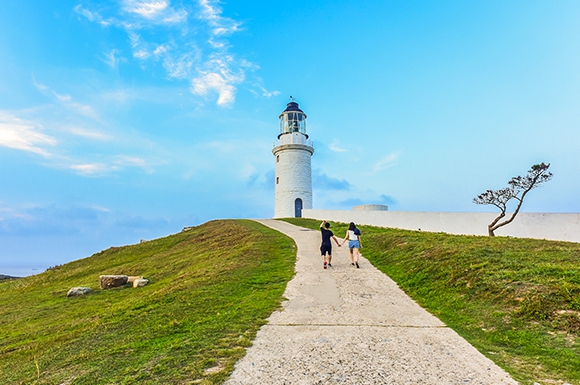
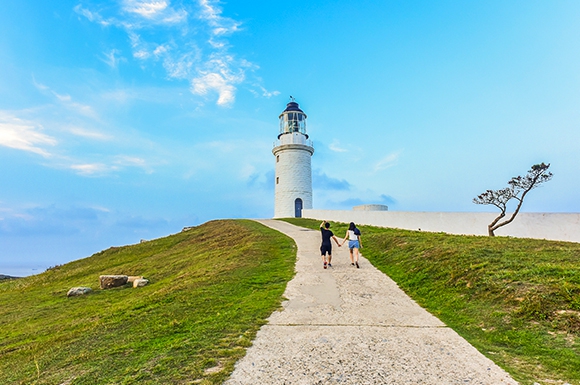
Matsu liquor is renowned, in three main categories: yellow wine, white liquor, and medicinal liquor. Local seafood is mostly yellow croaker and grouper. Cultural resources also include the lifestyles, customs, and religion of eastern Fujian, as well as architecture, settlement styles, temples, ancestral halls, and lighthouses.
The Matsu archipelago takes its name from “Mazu,” and is the northernmost territory of the Taiwan-Penghu-Kinmen-Matsu Free Area, facing the Min River estuary, Lianjiang estuary, and Luoyuan Bay. This area once served as the frontline guarding Taiwan and Penghu.
Shaped by monsoons, ocean currents, and its geographic location, Matsu enjoys bright summer sunshine, especially June to August, which is the season for watching terns. The discovery of the Chinese crested tern, a bird of legend, has drawn many visitors. In winter, strong northeast monsoons blow, but the Lantern Festival brings Matsu's grandest folk event each year: the whole village mobilizes for Baiming, a ritual of setting out offerings to worship the gods, and the procession welcoming the gods is truly grand.
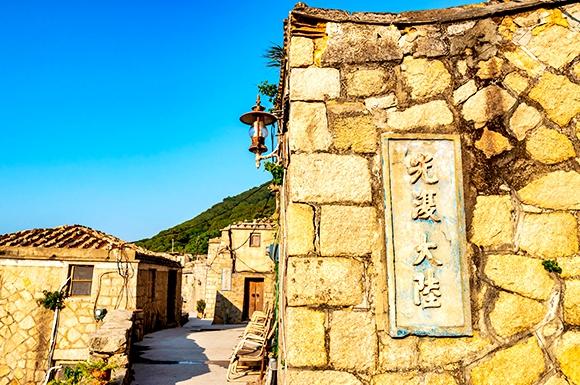
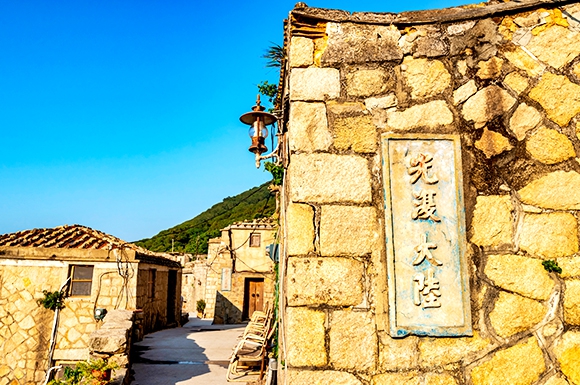
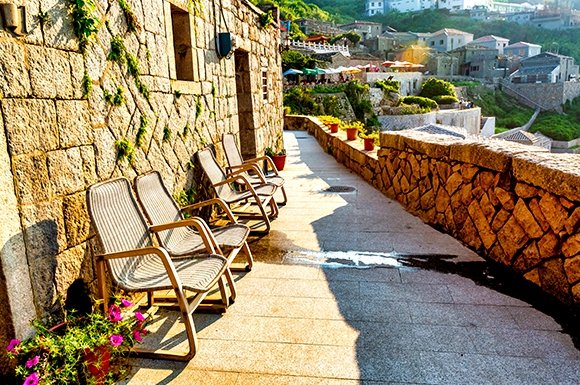
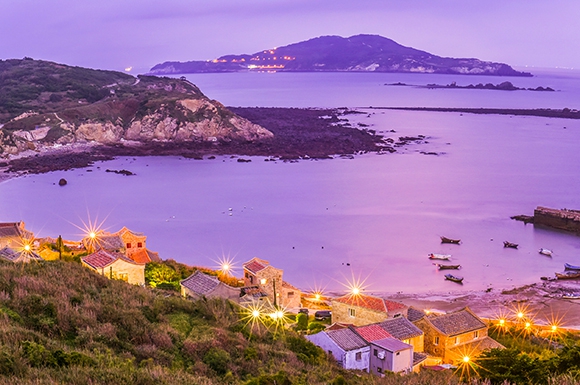
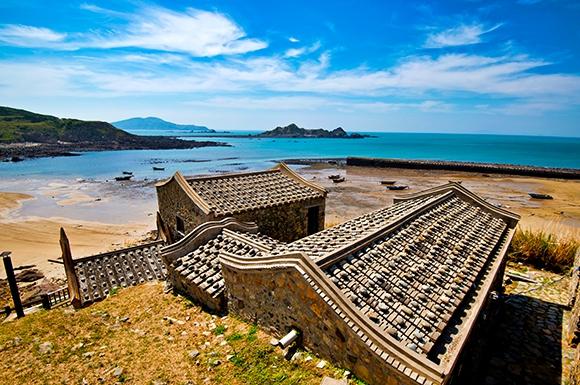
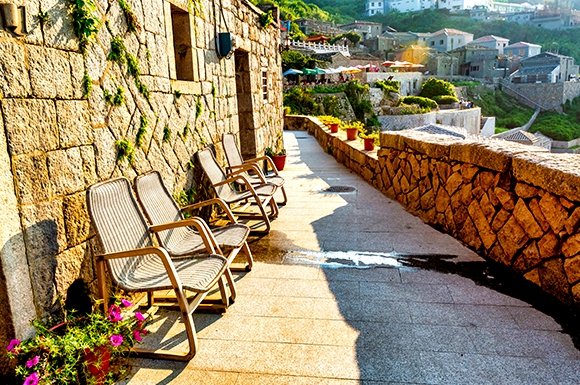
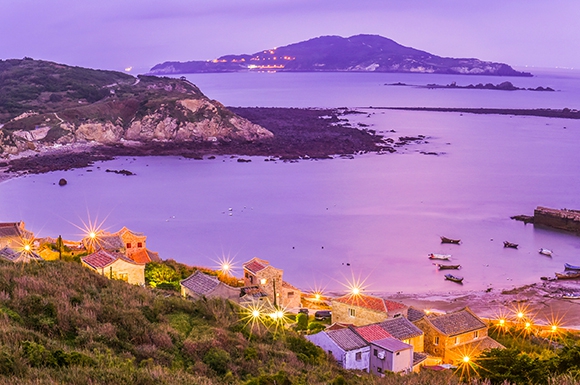
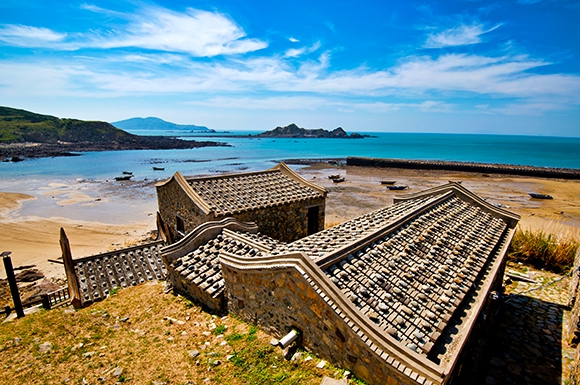
Traditional settlements differ from those in Taiwan in building materials, styles, and functions. Notable villages include Niujiao, Jinsha, and Tieban on Nangan; Qinbi and Qiaozi on Beigan; and Fuzheng and Dapu on Dongju. Matsu is a fishing paradise, with many coves and reefs and the influence of ocean currents, so the seas are rich in resources and yield catches year-round. Matsu's specialty products are distinctive: Guoyan liquor, Matsu old liquor, and Dongyong aged Gaoliang, along with seafood, red yeast cuisine, pickles, and crisp pastries, all excellent souvenirs to bring home and share.
Introduction to Blue Tears:
Almost nowhere else in the world has blue tears as beautiful as Matsu’s!
Once named one of the 15 wonders of the world by CNN, and listed by NASA as an international-level special natural phenomenon.
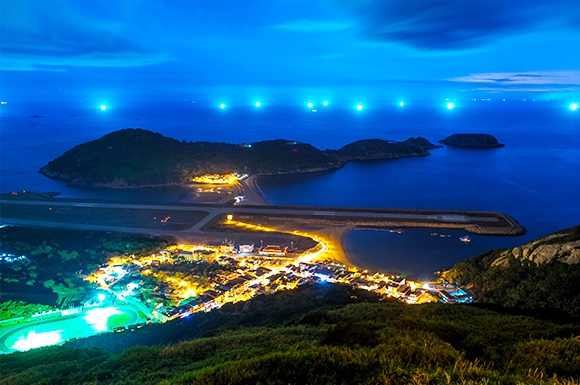
Blue tears are bioluminescent dinoflagellates. When disturbed by waves or natural winds, they emit a pale blue glow. In the past, Matsu called them “clove water”; legend says that when large numbers of these organisms appeared, clove fish, which feed on them, would gather.
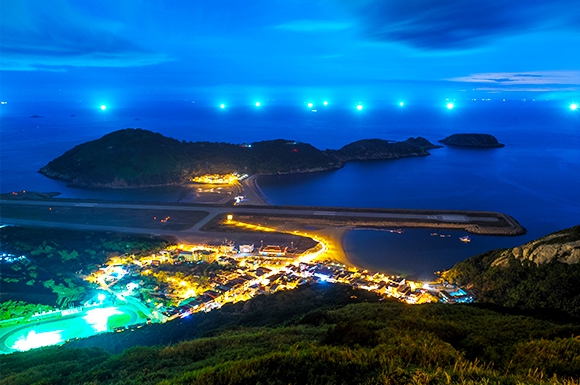
Blue tears mainly appear from March to September each year, with the peak from April to June. To see them, you need a place free of light pollution, and it’s best to avoid the period around the lunar full moon, when moonlight has the greatest impact. Waves must disturb the water for the dinoflagellates to light up and form blue tears. Watching from the Beihai Tunnel on Nangan is less affected by these factors.
Fotos
Itinerario Diario
- D1
Taipei Songshan ✈ Beigan〜Nangan
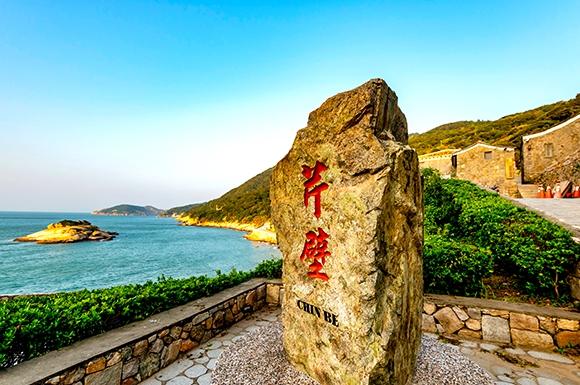
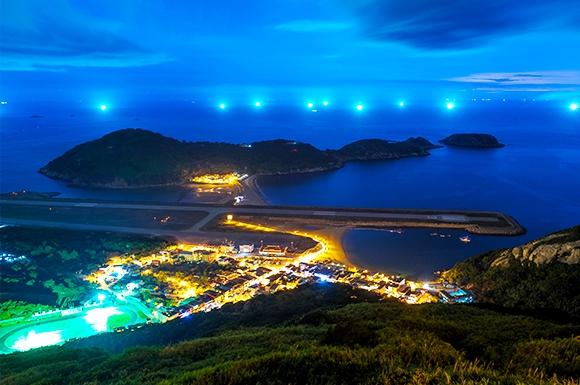
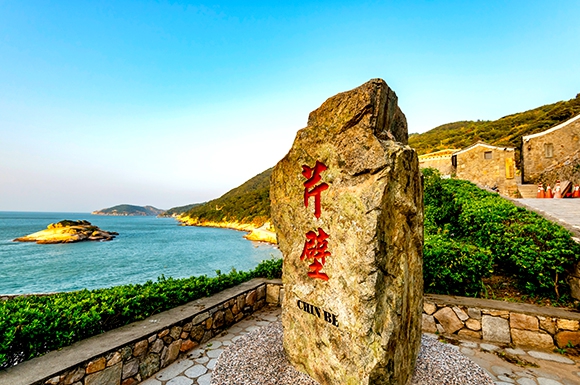
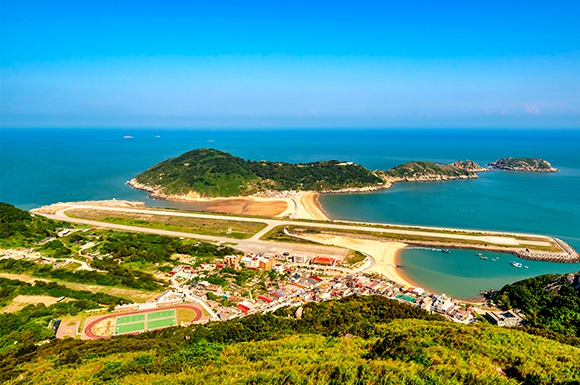
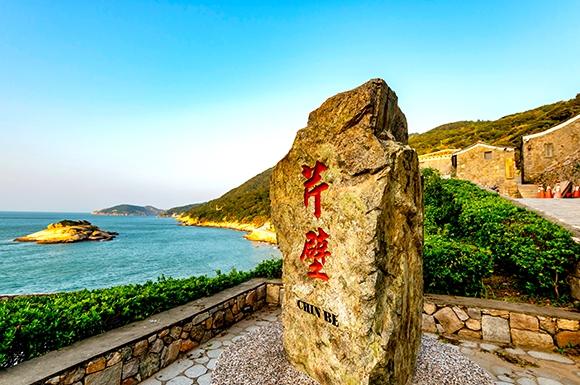
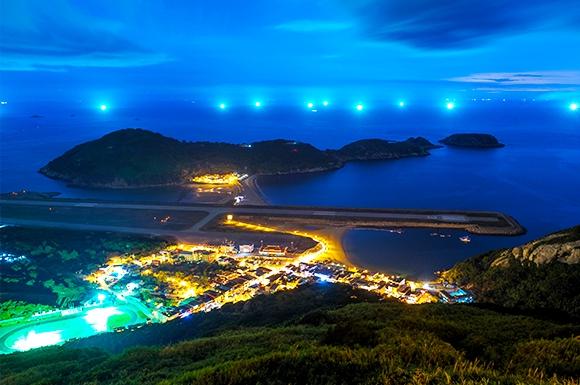
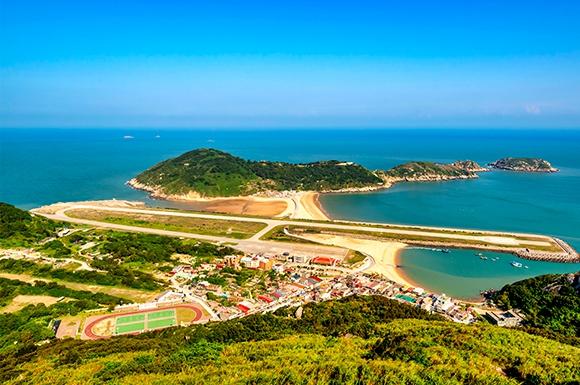
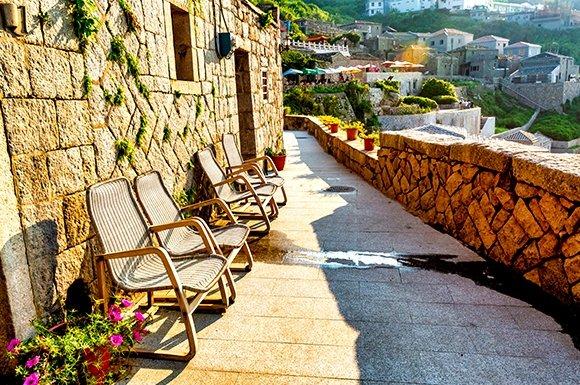
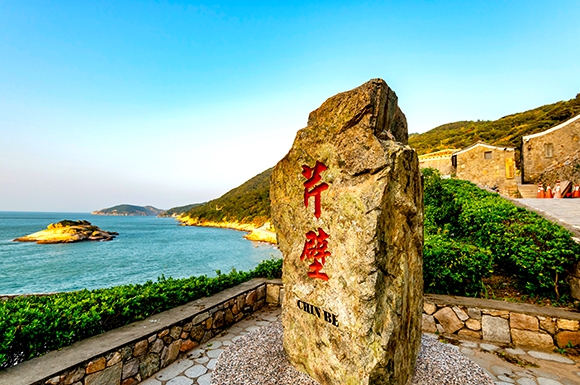
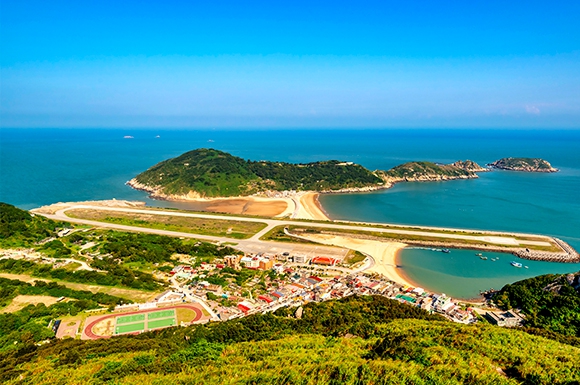
Self-guided transfer to Songshan Airport, then a flight to Beigan in Matsu, the frontline island closest to mainland China. Your private shuttle bus and tour leader will be waiting at the airport to welcome you. Beigan's main island has been inhabited for at least 6,000 years. In the early days, Beigan was the political and economic center of the Matsu area, but this role has since shifted to Nangan. Matsu lifted its wartime military administration in 1992 and opened to tourism the following year. Beigan has gradually transformed into Nangan's "backyard garden." Qinbi Village: Located on the west side of Beigan Island, Qinbi was formerly known as Jinggang and was once a small fishing village. The village's Qinbi Tianhou Temple is rich in incense and is one of the area's key centers of faith. The village preserves many traditional Matsu ancestral houses, which resemble Mediterranean-style architecture. Qiaozi Fishing Village: Small bridges can be found everywhere here. In the Matsu dialect, "仔" means "small," hence the name Qiaozi (Little Bridge). In the past, Qiaozi enjoyed abundant fishing and salt resources and was once a commercial transshipment port. With passenger boats and merchants coming and going, it was Beigan's largest village. Residents began building the Xuantian Shangdi Temple in the 6th year of the Qianlong era, and Qiaozi's many large and small temples, known as "eight temples in one village," stand out across the county. Here you can admire the features of traditional Matsu temple architecture. War and Peace Memorial Park: On clear days, you can gaze out at the mainland coastline. Compared with the tense atmosphere of the confrontation era, the park offers a more fascinating contrast with its "war and peace" theme. It is Taiwan's first museum park themed on "War and Peace" and "Emotion and Memory." Walking through former military outposts, and through physical exhibits and historical materials, the park aims to promote national defense through education and entertainment. Bishan: Bishan is Matsu's "highest peak," at 298 meters above sea level, making it a great hiking route for beginners. An observation deck halfway up the mountain lets visitors lean on the railing and enjoy wide views of Beigan Airport, Tangqi, and Houwo, as well as the uninhabited islands around Beigan, such as Daqiu and Xiaoqiu. Continue by ferry to Nangan.
- B7 8785 12:25 → 13:20
- D2
Arrival in Taipei
Pick-up at Taoyuan International Airport (TPE) Shilin Night Market: Established in 1910, it is famous for a wide variety of traditional snacks and draws visitors from around the world. Popular treats include Da Bing Bao Xiao Bing (big pancake wrapping small pancake), stone hot pot, and Shilin giant sausage, making it a well-known food landmark. Tonight's accommodation: The Grand Hotel Taipei.
- D3
Nangan〜Dongju〜Nangan
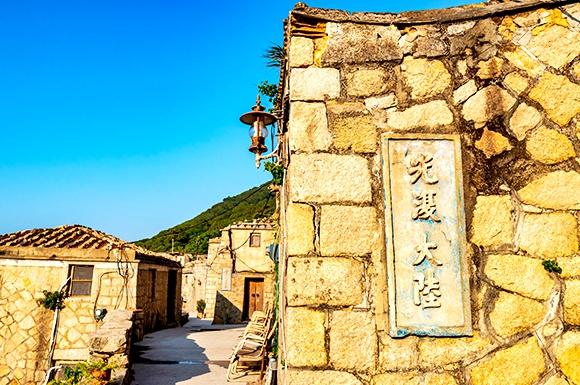
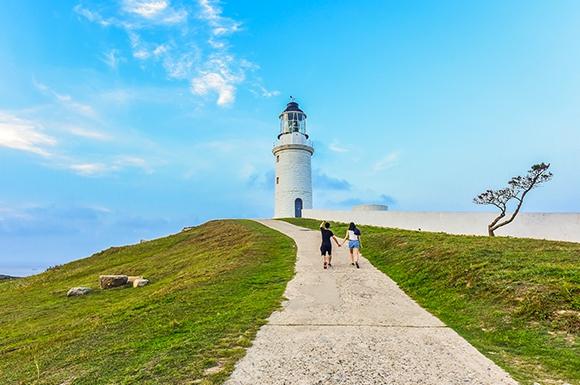
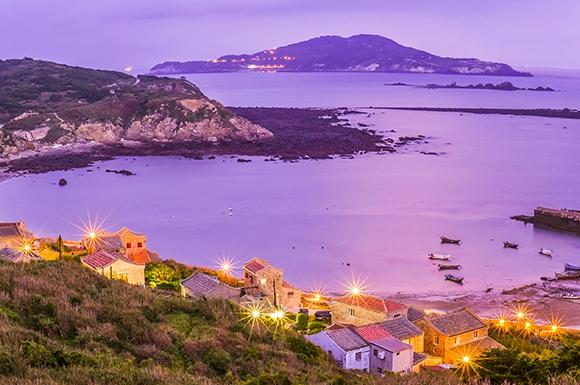
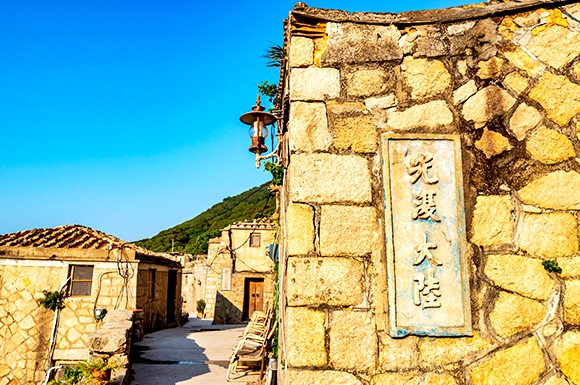
Take the Dongju ferry. Juguang Township sits at the southern edge of the country. On clear days, you can watch planes taking off and landing at Changle Airport across the water from the hilltop. Dongyang Mountain Trail Observation Deck: Dongyang Mountain has two trails. Take the one on the right and keep walking to the end for a 360-degree viewpoint. It takes about 20 minutes and the path is easy, so it's highly recommended for a panoramic view of Dongju's beautiful scenery. Mysterious Little Bay: Located at Aokou on the route from Fuzheng Village to Dapu Village, the bay's sea erosion pillars and grooves spark endless imagination. The holes in the bay are a gathering place for birds, and a cave leads to the sea, once a shortcut for oyster farmers. Dongju Lighthouse: Built in 1875, its origins are tied to history. After the Opium War and the Treaty of Nanjing opened coastal ports for trade with Britain, it was established to help identify the direction of Fuzhou. Rhino Islet: Dongju's most famous intertidal zone, named for its rhino-like shape. As the tide rises and falls, the island connects to and separates from the main island, forming a "tied island" landscape. Made up of sand beaches, mudflats, pebble beaches and reefs, and sitting where Juguang meets the Min River estuary in Fujian, where fresh and sea water mix, it's rich in shellfish and seafood, including sea cockles, purple sea urchins, hand clams, helmet clams, laver, sea snails and octopus. Known as nature's refrigerator. The reefs are also a great fishing spot for seasonal fish such as black porgy, black-tail and sea bass. Fuzheng Village: Dongju has a saying: "Fuzheng in summer, Dapu in winter." Dapu sits at the south end and shelters from the northeast winter winds, while Fuzheng at the north end, facing the southwest summer winds, is the best place to live in summer. So early islanders moved between the two villages' harbors with the seasons to fish, just as the saying goes. Fuzheng was once the liveliest village on Dongju, but as catches dwindled and people moved away, its glory faded, leaving rows of weathered stone houses, with Dongquan Lighthouse behind and the White Horse Lord Temple still quietly guarding the village. The empty houses may stir a sense of melancholy, yet their quiet beauty is a cultural trait unique to Matsu's traditional villages. In recent years the government has actively promoted village preservation, and Fuzheng has gone from desolate to a precious cultural heritage. Its architecture, mostly simple two-slope roofs and rubble stone walls, offers a different atmosphere from Qinbi. Fuzheng Beach: Follow the village path to the sea, and you'll spot a patch of white sand where land meets ocean, shaped by sea breezes and tides. That's Fuzheng Beach, surrounded by the village. A rare sandy coastline in Matsu, its fine white sand is perfect for wading and clam digging. It's also a source of Matsu clams, and its intertidal ecosystem is rich, earning it the nickname "Dongju's refrigerator." Return to Nangan by boat.
- D4
Nangan
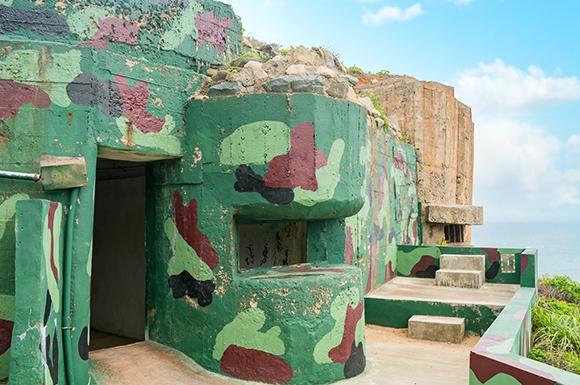
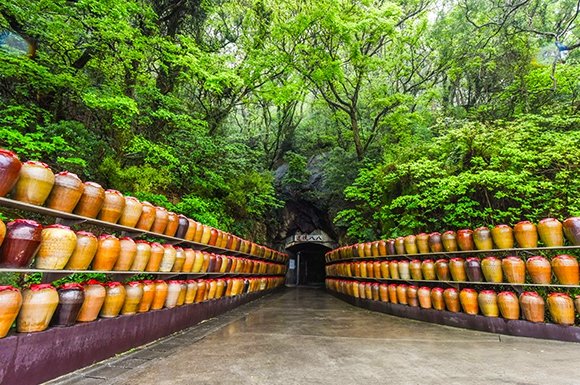
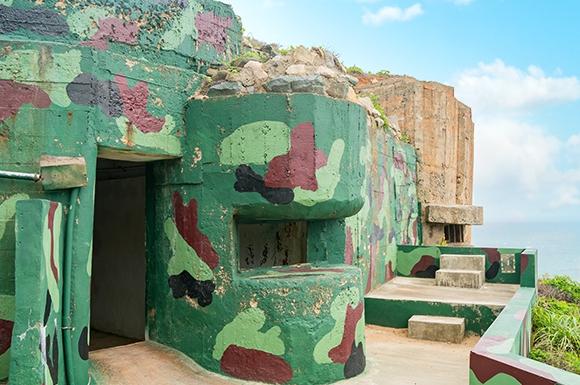
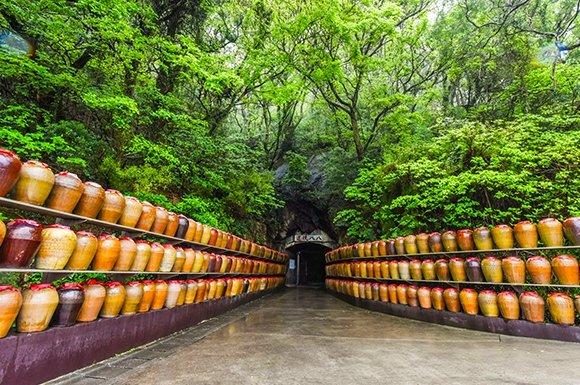
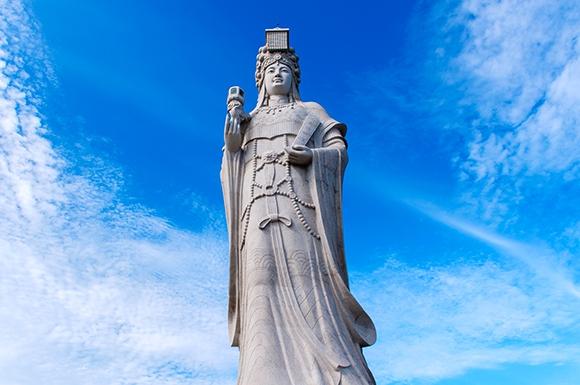
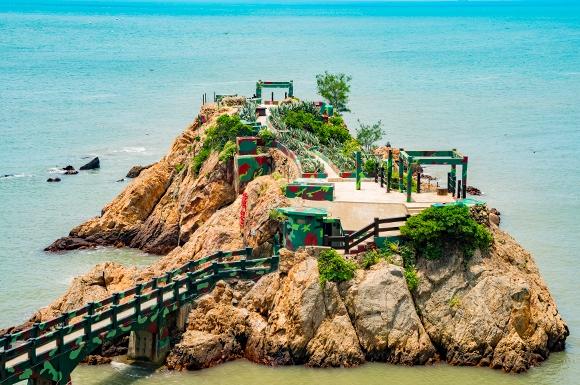
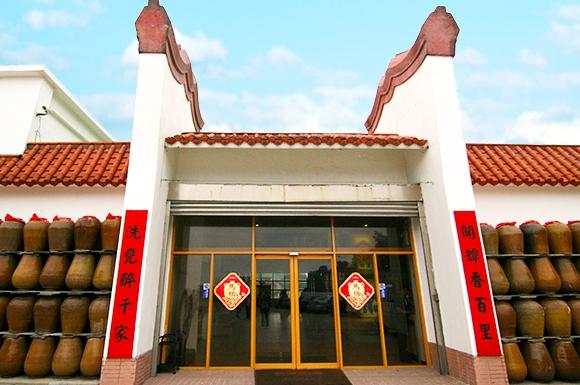
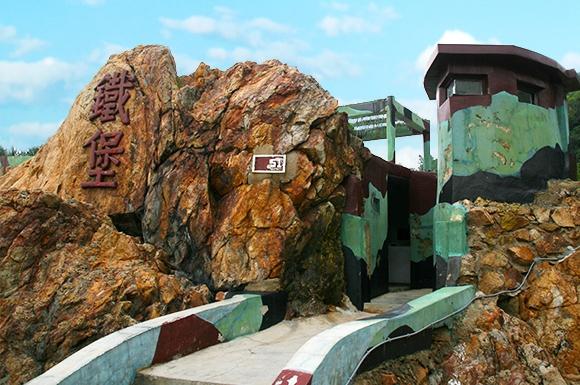
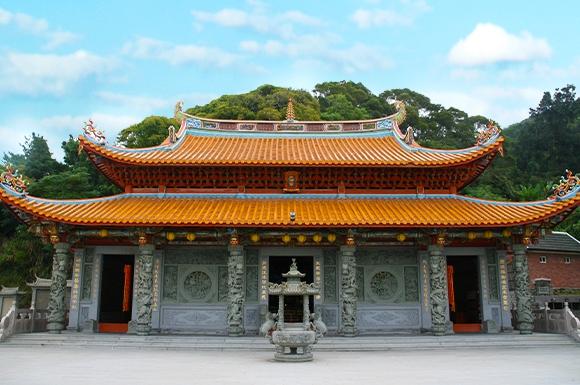
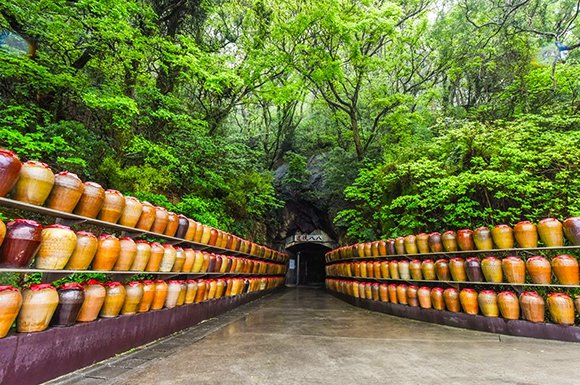
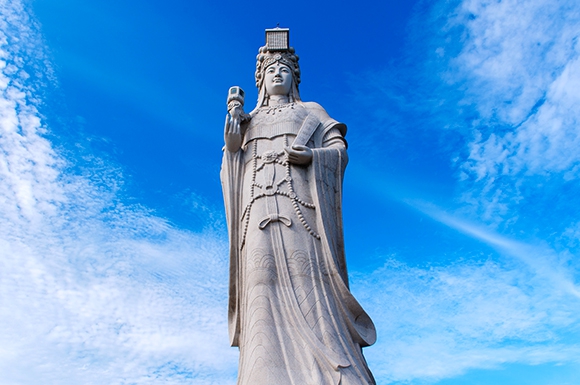
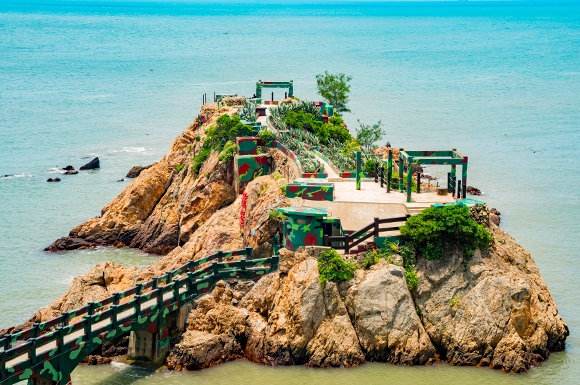
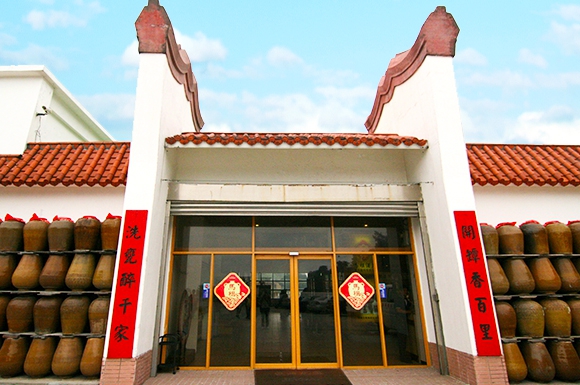
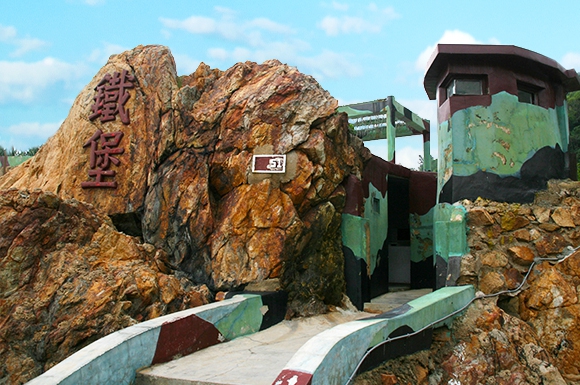
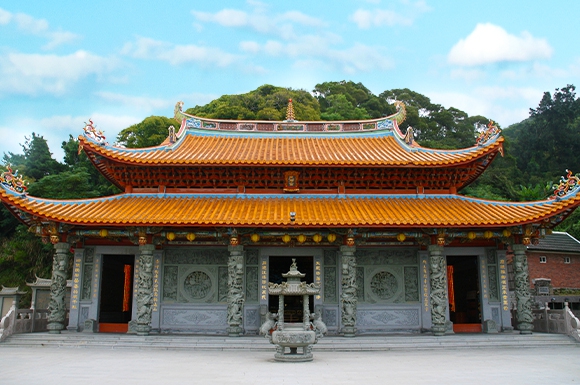
Shizi Market: The Jieshou Lion Market in Jieshou Village is Nangan's only traditional market. The ground floor has fresh produce stalls, and the second floor has traditional snack stalls. Many visitors to Nangan choose to come to Jieshou Lion Market early in the morning for breakfast. Eight-Eight Tunnel: Located beneath Niujiao Ridge in Nangan Township, this tunnel was originally a cave where soldiers and civilians took refuge from pirates. Later the military expanded it into a combat readiness tunnel, and it was named to mark its completion on the 88th birthday of President Chiang Kai-shek. Because the tunnel was constantly damp, which was bad for tank maintenance, it was converted into a telecommunications center, and later handed over to the Matsu Distillery for liquor storage, since its stable temperature and humidity are ideal for aging. Today it stores aged liquors, sorghum liquor and other spirits, and is known worldwide under the "Eight-Eight Tunnel" brand. Matsu Distillery: The predecessor of Matsu Distillery was Zhongxing Distillery, founded in the 45th year of the Republic of China (1956) under the Matsu Front Administrative Committee. Its original site in Fuxing Village used civilian houses for liquor production, with simple equipment and only traditional methods, so output could not meet demand. After active management and continuous research and innovation, the plant was expanded at its current site in the 59th year of the Republic of China (1970) and renamed Matsu Distillery. It became the region's main public enterprise, shouldering the major responsibility of local revenue. Equipment has been continually upgraded over the years, gradually reaching a sizable scale. Matsu Distillery is most popular for its Daqu, sorghum liquor and aged liquors. Matsu Tianhou Temple: Located in Matsu Village, Nangan Township, beside Matsu Harbor and facing the sea, this temple enshrines Mazu, goddess of the sea. Giant Mazu Statue: Standing 28.8 meters tall, it was once the tallest stone Mazu statue in the world. Carved entirely from granite, it is solemn and magnificent, with a compassionate expression that inspires awe. Interestingly, when local residents surveyed the terrain around the statue, they unexpectedly discovered the Menqian Mountain Tunnel directly beneath it, a story locals love to share. Renai Iron Fort: West of Tieban, there is an isolated reef at sea. Due to its steep terrain, it was once developed into a military outpost, guarded day and night by a platoon, hence the name Iron Fort. The western coastline was long defended by the elite amphibious frogman unit of the sector. To meet defensive needs, the reef's interior was hollowed out, covered with a concrete shelter, painted in camouflage, and fitted with grass-green netting. Inside are underground stone chambers, tunnels, firing ports, gun emplacements, rooms, a toilet and a kitchen. Small but complete, it was a sea defense stronghold that embodied the spirit of "iron-willed fierceness and a fortress at sea." Although the gunsmoke has long cleared, it is now a site where visitors can experience the atmosphere of a war zone. Night Blue Tears at North Sea Tunnel (Optional, at own expense): The Nangan North Sea Tunnel night Blue Tears tour, where the fantastical drift begins again. Countless dreamlike blue sparkles glitter brightly, a fantasy wonder to see in a lifetime. Come to Matsu and search for the beautiful, dreamy blue tears.
- D5
Nangan ✈ Taipei Songshan
After breakfast, head to Nangan Airport to check in and fly back to Taipei Songshan.
- B7 8756 10:40 → 11:30
- D6
Taipei Departure
Alojamiento y comidas
| Día | Desayuno | Almuerzo | Cena | Alojamiento |
|---|---|---|---|---|
| D1 | on own | on own | Matsu local cuisine | Nangan Shennong Villa or similar |
| D2 | — | — | Chinese cuisine | The Grand Hotel Taipei or similar |
| D3 | at homestay | Matsu local cuisine | Matsu local cuisine | Nangan Shennong Villa or similar |
| D4 | homestay | Matsu local cuisine | Matsu local cuisine | Nangan Shennong Villa or similar |
| D5 | homestay | Chinese set banquet | Chinese cuisine | The Grand Hotel Taipei or similar |
| D6 | at hotel | — | — | — |
D1
- Desayuno
- on own
- Almuerzo
- on own
- Cena
- Matsu local cuisine
- Alojamiento
- Nangan Shennong Villa or similar
D2
- Desayuno
- —
- Almuerzo
- —
- Cena
- Chinese cuisine
- Alojamiento
- The Grand Hotel Taipei or similar
D3
- Desayuno
- at homestay
- Almuerzo
- Matsu local cuisine
- Cena
- Matsu local cuisine
- Alojamiento
- Nangan Shennong Villa or similar
D4
- Desayuno
- homestay
- Almuerzo
- Matsu local cuisine
- Cena
- Matsu local cuisine
- Alojamiento
- Nangan Shennong Villa or similar
D5
- Desayuno
- homestay
- Almuerzo
- Chinese set banquet
- Cena
- Chinese cuisine
- Alojamiento
- The Grand Hotel Taipei or similar
D6
- Desayuno
- at hotel
- Almuerzo
- —
- Cena
- —
- Alojamiento
- —
Las comidas y el alojamiento están sujetos a la organización final y pueden variar según la temporada.
Detalle de precios
| Concepto | Precio |
|---|---|
| Adulto | NT$29.880 |
Incluye
- III. Tour Fee Includes:
No Incluye
- IV. Not Included:
- 1. Hotel bellhop tips, luggage tips, phone charges, laundry, and other personal expenses.
- 2. Tips for the tour leader, local guide, and driver: NT$300 per day.
- Not included: Tips for driver and guide service for 4 days: NT$1,200
Transporte
Taiwan main island: Private transfers (9-seat minibus or tour bus depending on group size).
Outlying islands: Domestic flights or ferry tickets included in tour fee (subject to airline/ferry schedule changes).
Punto y hora de encuentro
Day 1: Meet at the Arrival Hall of Taoyuan International Airport (TPE). Please provide your arrival flight when registering.
Guests already in Taipei may instead meet at East Gate 3 of Taipei Main Station (time to be announced).
Cancelación y reembolso
Per the Tourism Administration's "Domestic Travel Standard Form Contract":
Cancellation 41 or more days before departure: 5% of tour fee as compensation
Cancellation 31-40 days before departure: 10% of tour fee
Cancellation 21-30 days before departure: 20% of tour fee
Cancellation 2-20 days before departure: 30% of tour fee
Cancellation 1 day before departure: 50% of tour fee
Cancellation on the day of departure or no-show: 100% of tour fee
Visa y seguro de viaje
Foreign travelers, please check the visa, electronic travel authorization, or visa-free eligibility required for entering Taiwan based on your passport, and confirm your passport is valid for at least 6 months (see the "Travel Notes" on this site).
Under the Tourism Development Act, we carry travel agency liability insurance and performance guarantee insurance. We recommend travelers purchase personal travel accident and medical insurance separately.
Notas Importantes
Family trips, satisfaction guaranteed.
Departing every day,
Travel by minibus, seats 4-8 people,
Departs with just 4 people. The driver doubles as a guide, the group who knows Matsu best,
They provide the most detailed introduction to scenic spots, the most moving local stories, the most thorough folk customs, and the most flexible itinerary,
All the local food you want, introduced to you, with the most satisfying service.
Best value tour price
Book your flights and we'll get you moving right away.
Includes: 1. Songshan/Matsu round-trip flights 2. Airport to hotel or homestay transfers 3. Daily energizing breakfast 4. Local ferry tickets
Not included: Tips for driver and guide service for 4 days: NT$1,200
I. Departure Dates:
II. Tour Fee: Mon
Tue
Wed
Thu
Fri
Sat
Sun
20880
21880
22880
III. Tour Fee Includes:
1. Flights 2. Hotels 3. Meals 4. Sightseeing 5. Insurance: Per person travel contract liability insurance for the trip duration, NT$3,000,000, and NT$200,000 accident medical insurance.
IV. Not Included:
1. Hotel bellhop tips, luggage tips, phone charges, laundry, and other personal expenses.
2. Tips for the tour leader, local guide, and driver: NT$300 per day.
por persona
Desde NT$29.880
≈ 827 €Conversión aproximada; el presupuesto final es en nuevos dólares taiwaneses (NT$).
Forma parte de la serie
台灣離島系列 →- ✓ Respuesta en menos de 24 horas
- Consultar es gratis: te enviaremos un presupuesto por email.
- Cancelación y reembolso →
Matsu Blue Tears — Nangan, Beigan & Juguang, 6 Days
Desde NT$29.880
≈ 827 €