
Greater Taipei Loop — Yilan, Taoyuan & Northern Cross-Island Highway, 10 Days
10 daysGroup size: from 1 travelerDifficulty: Easy
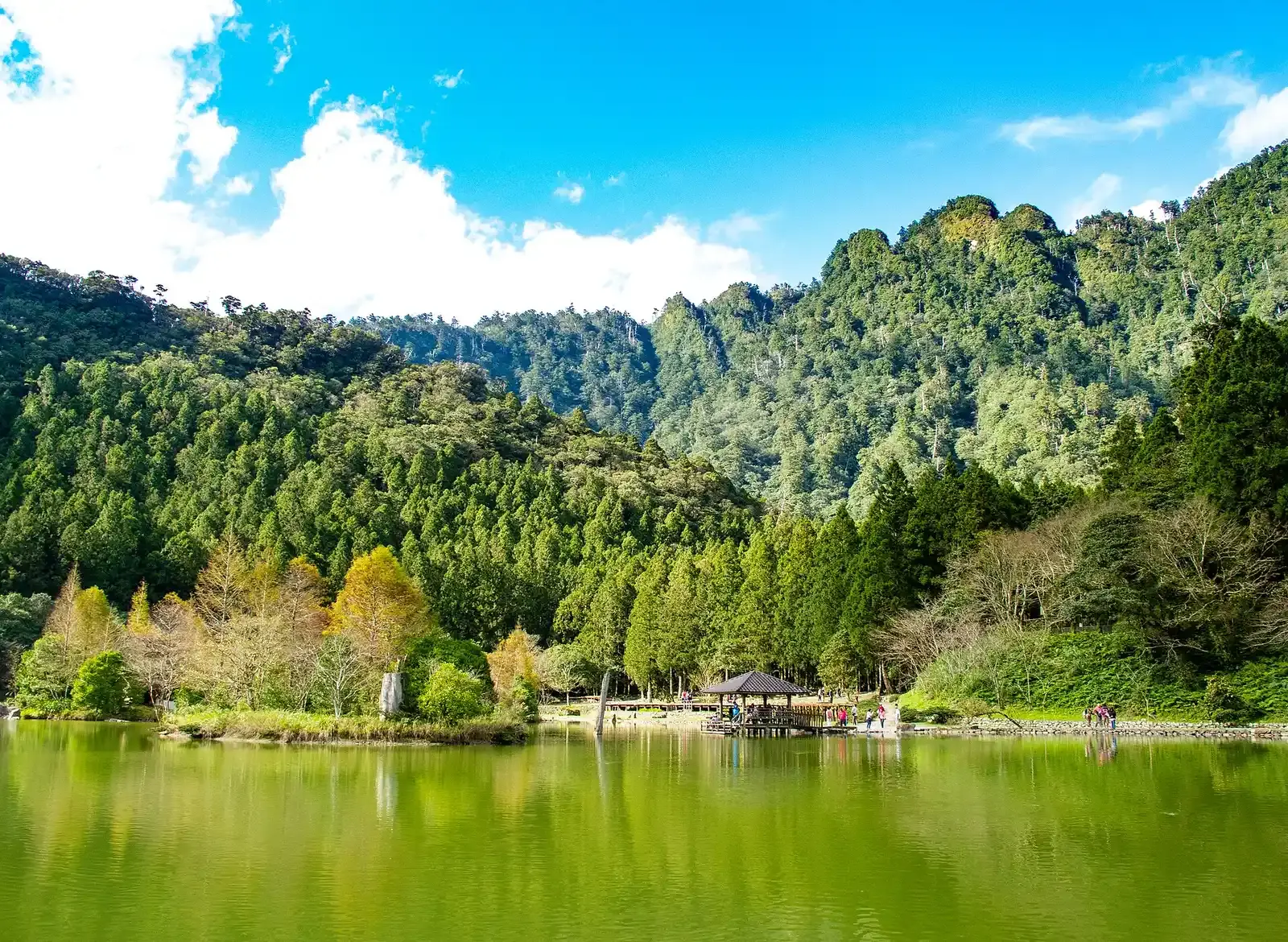
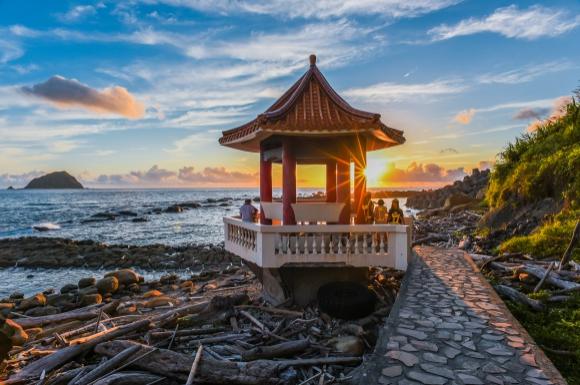
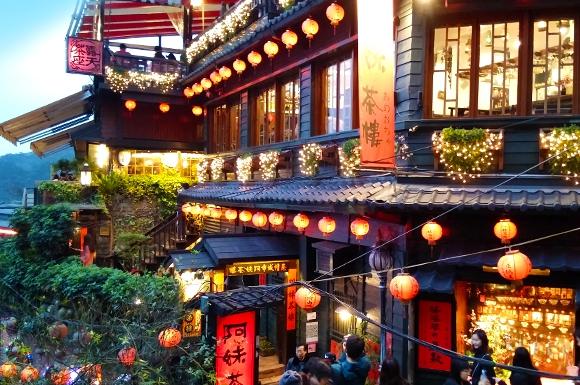
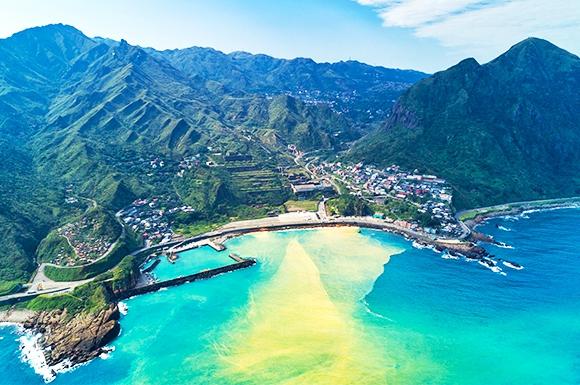
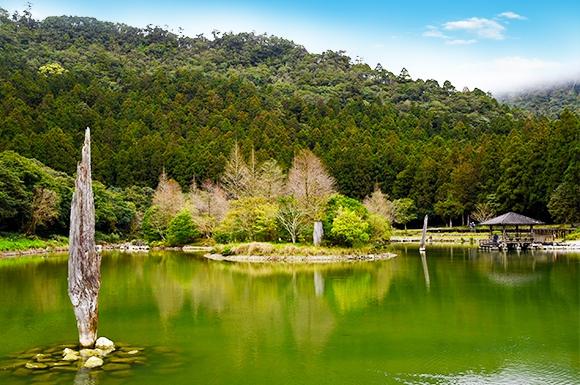
Ten days around northern Taiwan: Taipei, Yilan, Taoyuan and the Northern Cross-Island Highway's mountain tribes.
At a glance
Places
- Taipei & New Taipei
- Keelung & Northeast Coast
- Taoyuan, Hsinchu & Miaoli
- Yilan
Duration
10days
9 nights
Meals included
26meals
B 9 · L 8 · D 9
Pace
Easy
Where this tour goes
Highlighted places are on this tour — tap one to learn more.
Photos
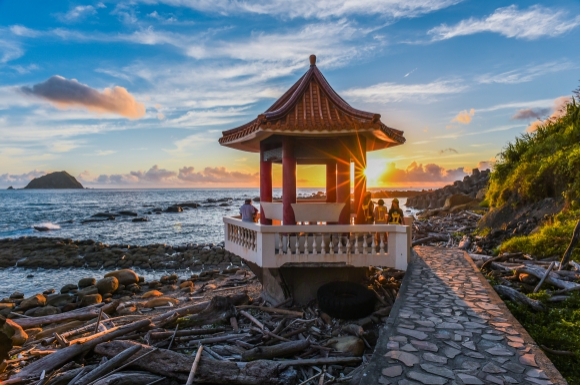
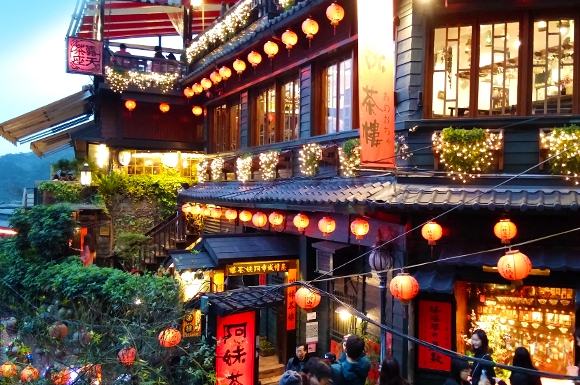
Daily Itinerary
- D1
Arrival in Taiwan
Pick-up at Taoyuan International Airport (TPE) Shilin Night Market: Established as early as 1910, it is famous for a wide variety of traditional snacks that attract visitors from home and abroad. Highlights include Da Bing Bao Xiao Bing (pancake wrap), stone pot hot pot, and Shilin giant sausage, making it a true food landmark. Tonight's accommodation: The Grand Hotel Taipei.
- D2
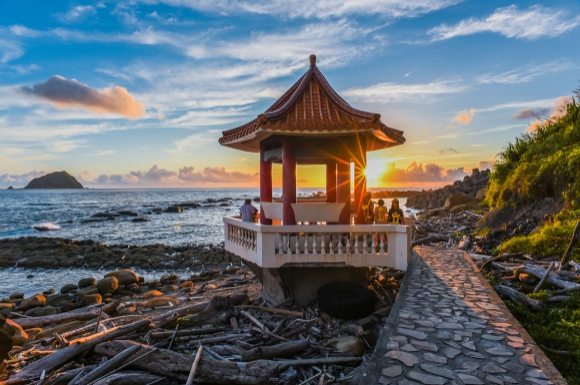
Taipei – Yangmingshan National Park – Tamsui Fort San Domingo – Sanzhi – Fuji Fishing Port – Shihmen Caves – Jinshan Old Street – Yehliu – Keelung Waimushan – Heping Island Park – Keelung Miaokou Night Market
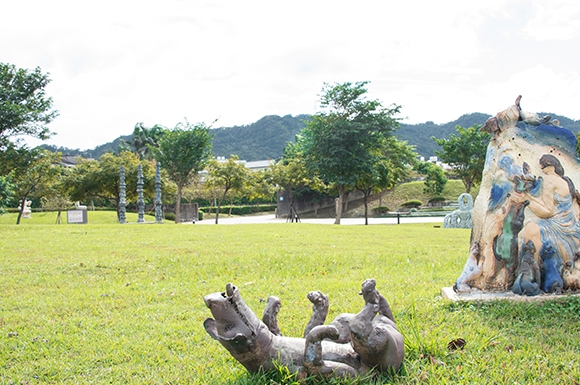
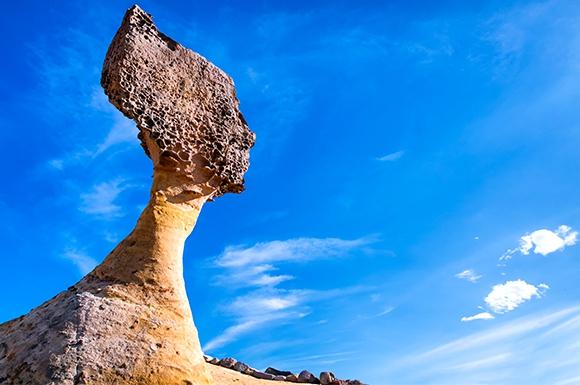
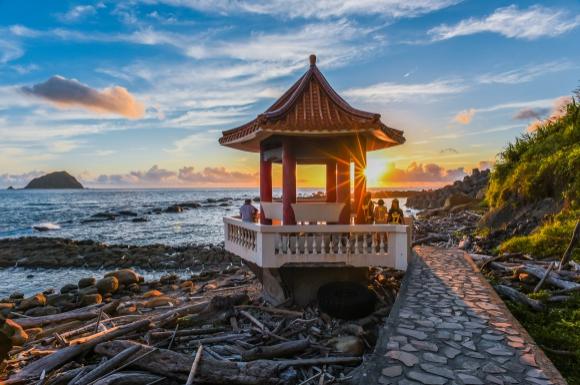
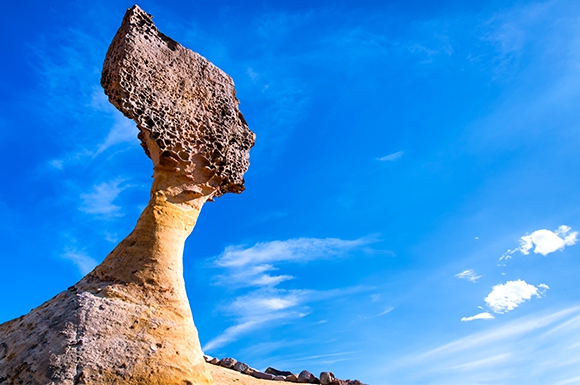
Yangmingshan National Park: Greater Taipei's green backyard. Its rich natural scenery has long been the perfect escape for Taipei residents living in the urban jungle to reconnect with nature and relieve stress, and Xiaoyoukeng is one beautiful highlight of this backyard. Xiaoyoukeng: Located on the northwest foot of Qixing Mountain, with scenic viewing trails and gorgeous scenery along the way. At an elevation of about 800-some meters, its most distinctive features include volcanic fumaroles, hot springs, collapsed terrain and sulfur crystals, making it a unique natural landscape and an ideal outdoor classroom for families. Tamsui Fort San Domingo (Hongmao Castle): Originally known as Fort Antonio, this historic site is located in Tamsui District, New Taipei City, Taiwan. The earliest fort, Santo Domingo City, was built in 1628 by the Spanish, who ruled northern Taiwan. Santo Domingo was later destroyed, and in 1644 the Dutch rebuilt it near the original site and named it Fort Antonio. Because Han Chinese at the time called the Dutch 'red-haired' people, the fort became known as Hongmao Castle (Red-Haired Fort). Lovers' Bridge: A pedestrian bridge across the harbor at Tamsui Fisherman's Wharf. It officially opened on Valentine's Day, February 14, 2003. The white cable-stayed bridge is about 196 meters long, roughly a 3-minute walk, and offers views of the famous Tamsui sunset. Baisha Bay Water Recreation Area: Located in Shimen District, New Taipei City, Taiwan, this crescent-shaped bay is formed by Fugui Cape and Linshanbi. Its sand beach stretches about 1 km, with white sand and clear water, earning it the nickname 'Kamakura of Taiwan' during the Japanese colonial era. Baisha Bay Beach has been famous in northern Taiwan since then and is a popular summer resort, ideal for wading, swimming, surfing, kitesurfing, windsurfing and more. Fuji Fishing Port: A small fishing port on the North Coast. Known for its crabs and seafood, and not far from Taipei, it attracts many weekend visitors who come to buy fresh catch, making it a lively seafood hub. Try local seafood such as Wanli crab and clams, which are truly fresh and delicious! Fugui Cape Lighthouse: Taiwan's northernmost lighthouse, located at Fugui Cape in Shimen District, New Taipei City. It was originally called Fugi Cape Lighthouse. Shimen Cave: Located along the Coastal Highway (Provincial Route 2), it is a prominent landmark of Shimen District. This sea arch was formed by seawater erosion. About a million years ago, the Datun Volcano Group erupted, piling up thick volcanic debris and lava. Over time, heavy rains and constant wave erosion turned an early sea-cut trench into a sea cave, eventually forming the sea arch seen today. Shimen Wedding Photo Plaza: This emerging hub combines fashion, scenery and relaxation. Its Mediterranean-style buildings are dominated by white tones, with a spotless bell tower and arcade. Set against the North Coast's seamless blue sea and sky, it feels like standing on the coast of Greece. Whether you are a couple, newlyweds or a married pair, you can enjoy the happy atmosphere of the plaza and capture the stunning scenery of the North Coast. Jinshan Old Street: Also known as Jinbaoli Old Street, it was a bustling commercial street during the Qing dynasty and has more than 300 years of history, making it Jinshan's oldest street. The duck snack stalls in front of Guang'an Temple are unrivaled across Taiwan and very popular. Local specialties include bu-rou (braised pork rolls), oyster omelets, taro cakes and grilled red-heart sweet potatoes. A walk down Old Street lets you relive its past glory and savor the flavors of old times. Yehliu Geopark: Also known as Yehliu Scenic Area, its natural geological formations make it one of the best-known tourist attractions on Taiwan's North Coast. Waimushan Coast: The natural coastline of Keelung, with a coastal road about 5 km long. A seaside trail has been built along the road, with sea views on one side and mountain views on the other. Rocky and sandy shores are both visible along the way, and there are many parking spaces to stop at anytime. Heping Island Park: With strong international appeal, it is a great destination for a relaxed short trip. To help visitors easily find photo angles, five 'Guardian Rock Viewing Windows' were designed, including Human-Faced Lion Body Rock, Pig Head Rock, Seal Rock, Mudskipper Rock and Diamond Rock. Simply look through the viewing frames to find the guardian rocks and capture yourself in the frame with them. Keelung Miaokou: A snack market centered on Jidu Temple, it is one of the most famous night markets. Shops operate 24 hours a day and it becomes even livelier during evening night market hours. It is also called Miaokou Night Market, and 'Miaokou' in local speech refers to this area.
- D3
Badouzi Fishing Port – Shenao Cape – Ruifang Houtong Cat Village – Sandiaoling Station – Jinguashi – Jiufen Old Street – Gold Museum – Golden Waterfall – Yin-Yang Sea – Bitou Cape Lighthouse – Fulong Beach – Sandiaojiao Lighthouse – Toucheng, Yilan – Jiaoxi
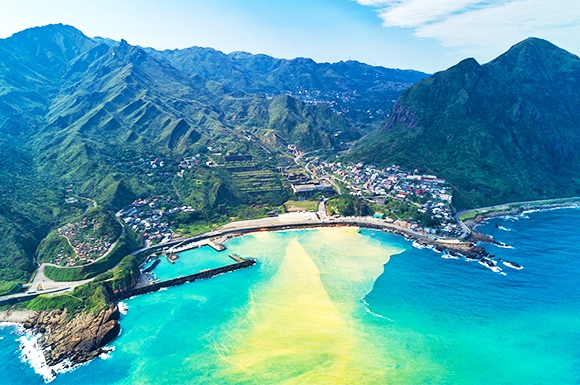
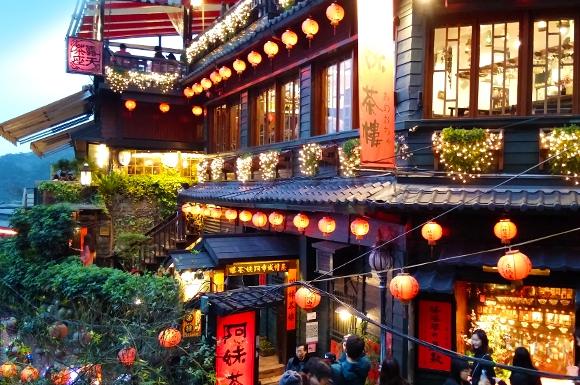
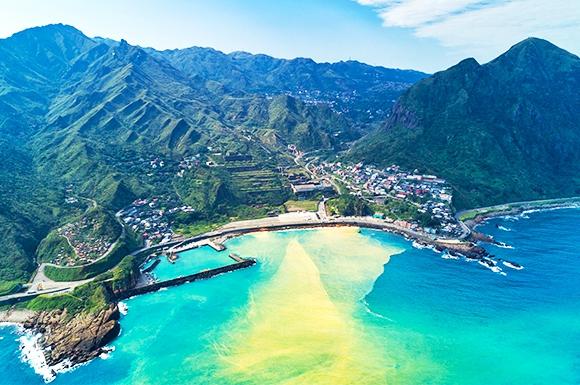
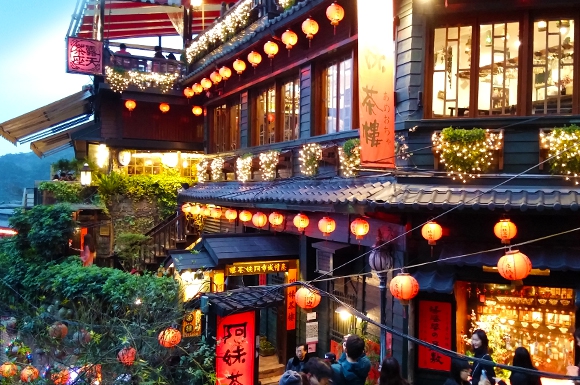
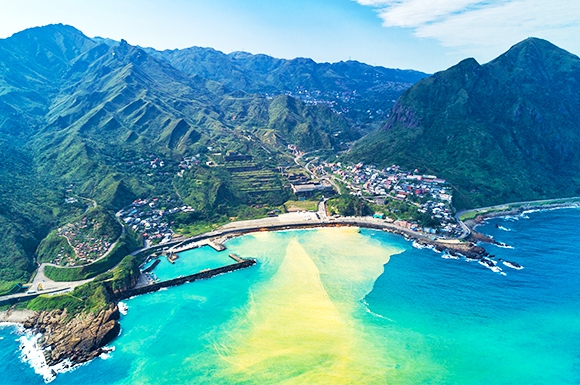
Bayuzi Fishing Port: a multi-purpose fishing harbor and the largest fishing port in northern Taiwan. Shenao Cape: In the Ruifang fishing port area, there are small mushroom-shaped rock formations similar to those at Yehliu, covering the entire coastline. They are spectacular and beautiful. Along with the Elephant Trunk Rock, shaped by nature's craftsmanship and standing on the shore, its lifelike appearance attracts many visitors. Maokong Cat Village (Houtong Cat Village): In November 2013, it was ranked alongside Japan's two major cat islands and sites in the United States, Italy, and Turkey by CNN as one of the "World's Top Six Cat-Watching Destinations." The cats here have long had close contact with tourists, so most are no longer shy, and some even approach people to cuddle. Because daytime is hot, the cats tend to hide in shady spots, and after dusk it is easier to see large groups of cats gathering. Sanzhi Station: A railway station in the Ruifang district on Taiwan Railway's Yilan Line and Pingxi Line. It opened in 1922 and is the only railway station in Taiwan that cannot be reached directly by road; it faces the nearby highway across the Keelung River. Passengers wishing to take the train from this station must cross the riverbed from the railway bridge some distance upstream, using the pedestrian path alongside the tracks, and then walk to the station. Jinguashi Geopark: An open-pit mining area located right above the Golden Shrine. It is where gold veins were first discovered in Jinguashi. The mountain resembles a pumpkin, so it was called "Golden Pumpkin Mountain," which is the origin of the name Jinguashi. Jiufen Old Street: A historic street in Ruifang district and one of the most popular tourist attractions in Taiwan, drawing visitors all year round. It is an internationally recognized attraction in northern Taiwan. Gold Museum: Renovated from the former office of the Taiwan Metal Mining Corporation, it is Taiwan's first eco-museum. The Gold Museum tells the mining history and culture of Jinguashi and lets modern visitors experience the former glory of Jinguashi. Golden Waterfall: The waterfall is formed by underground seepage water flowing out to the surface and is not part of a river channel. It becomes even larger after heavy rain. Because there are mineral veins in the Jinguashi area, groundwater, rainwater, and minerals undergo chemical reactions, giving the water a color from oxidized metal ore. This makes the Golden Waterfall's water slightly yellow, and the exposed rocks are also yellow, which is how it got its name. Shuinandong Yin-Yang Sea: Commonly called Yin-Yang Sea, it is a major unique geographical landscape along the coast of northeastern Taiwan. The Yin-Yang Sea at Shuinandong gets its name from the yellowish-brown color of the water in the bay, which contrasts sharply with the normal blue of the open sea. Nanya: Northeastern Taiwan's coastline is famous for its striking rock formations. Besides the eye-catching wave-eroded reefs, the most amazing feature is the countless weathered rock patterns, shaped by nature, scattered throughout, like an outdoor sculpture museum. Nanya's weathering patterns are rare in Taiwan. They form when iron-bearing minerals in the sandstone's joints oxidize through weathering, revealing striped patterns of iron oxide that are rich in artistic beauty. Bitou Cape Lighthouse: Completed in 1897, it is a hexagonal iron tower built during the Japanese colonial period. It was damaged in World War II, and in 1971 it was rebuilt as a round tower. Longdong Bay Ocean Park: Taiwan's first natural swimming pool, where you can swim while admiring the beautiful fish beneath the sea and experience playing in the water with fish. It is a great family spot for snorkeling and observing crabs, starfish, and other marine life. Aodi: Located between Sandiaojiao and Bitou Cape, with Aodi Fishing Port within its area. After the Treaty of Shimonoseki was signed on April 17, 1895, Japanese receiving personnel and troops landed here, then gradually occupied all of Taiwan, beginning a 50-year period of Japanese rule.Fulong Beach: Located in Fulong Village, Gongliao District, this seaside beach sits at the mouth of the Shuangxi River near Sanzhi Bay. It is one of northern Taiwan's best-known sandy shores, featuring rare golden sand, and a popular summer destination by the sea. Sanzhijiao Lighthouse: Built in 1931, it is the easternmost lighthouse on the main island and an important navigation landmark for ships crossing the Pacific. The lighthouse houses an exhibition room displaying historical materials and rare photos of Taiwan's lighthouses, and it was the first lighthouse in Taiwan opened to the public for visits. Lailai: This area has the most developed wave-cut rock platforms along the northeast coast. Warm currents from the Pacific pass through here, creating an ideal environment for algae and plankton, which nurture a thriving fish population. The northeast coast is famous across Taiwan for its excellent rock fishing spots, and Lailai is the finest of them. Its broad wave-cut platforms, tilted ridges, and pebble beaches offer beautiful views and safe footing for anglers, so rock fishing experts gather to compete here at all hours of the day. Daku'ao: Near the border between Taipei and Yilan County, this small wave-cut platform extends south into the sea, with a deep channel cut into its west side. The low terrain here becomes covered with algae in winter. When waves and high tides surge in, the spray washes algae into the channel, attracting fish to feed close to shore. This is where the most black sea bream in the Daku'ao area are found, which is how the place got its name. Tougcheng Town: The first area of Yilan County to be developed, it also administers Guishan Island and the Diaoyutai Islands. Jiaoxi Township: The northwestern part of the township is the Snow Mountain Range, and the southeastern part is the alluvial plain of the Erlong River. It is famous throughout Taiwan for its Jiaoxi Hot Springs.
- D4
Jiaoxi – Sanxing – Datong Township – Northern Cross-Island Highway – Mingchi National Forest Recreation Area – Lalashan
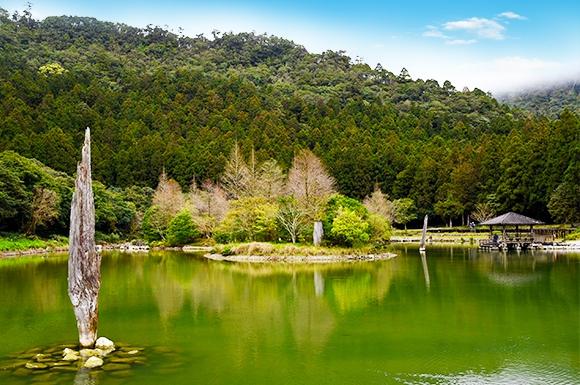
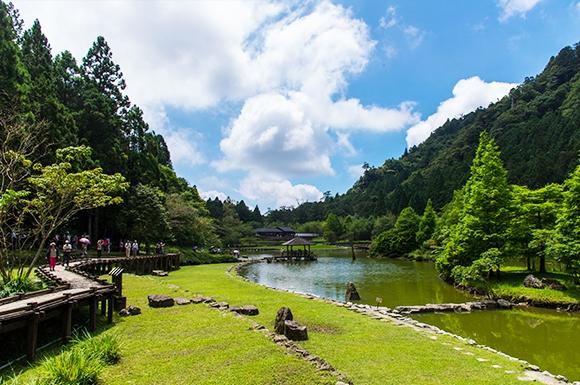
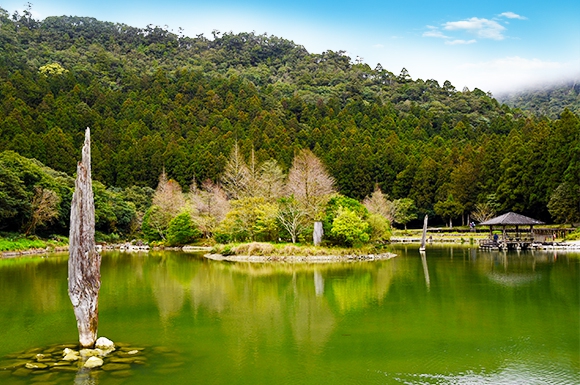
Sanxing Township: Located on the western edge of the Lanyang Plain, it is nationally famous for its Sanxing scallions and braised pork rice. It is currently the third-largest township in Yilan County by area. Datong Township: The second-largest township in Yilan County by area, it ranks sixth from the bottom nationally in population density, while its land area ranks ninth in the country. Northern Cross-Island Highway: Commonly called the Northern Cross-Island Highway, it runs across northern Taiwan, connecting the east and west coasts. Together with the Central and Southern Cross-Island Highways, it serves as one of the east-west transport routes and is known as one of Taiwan's three major cross-island highways. Mingchi Forest Recreation Area: Its overall design follows the local landscape and blends the beauty of traditional Chinese and Japanese gardens, giving the Mingchi area a variety of scenic features. The most representative are the Jingshi Garden and the Water Zither Cave. Lalashan, renamed Daguan Mountain in 1975, and Daguan Mountain Nature Reserve established in 1986, has an elevation of 2,031 meters. The reserve's giant cypress groves, beech trees, Taiwan red cypress, Formosan black bears, Formosan rock macaques, Mikado pheasants, and sambar deer are protected species. The local water peaches are famous across the country. The most celebrated feature is the 22 giant sacred trees in the area, estimated to be 500 to 3,000 years old, scattered along a 3.7-kilometer scenic trail. Fu Xian Jing Villa: A rustic inn with a wooden cabin-style exterior. Its year-round average temperature is about 19°C, making it an ideal escape from the summer heat. From your room, you can enjoy green mountain views at any time and listen to the natural melodies of nature, for a comfortable journey where nature and mind become one.
- D5
Lalashan – Baling – Gaopo Falls – Xiaowulai – Dongyan Mountain – Jiaobanshan – Shimen Reservoir – Daxi
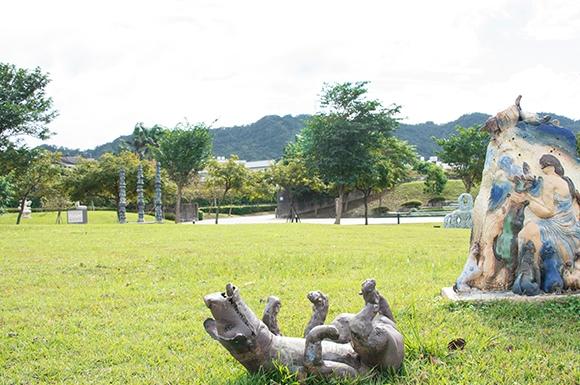
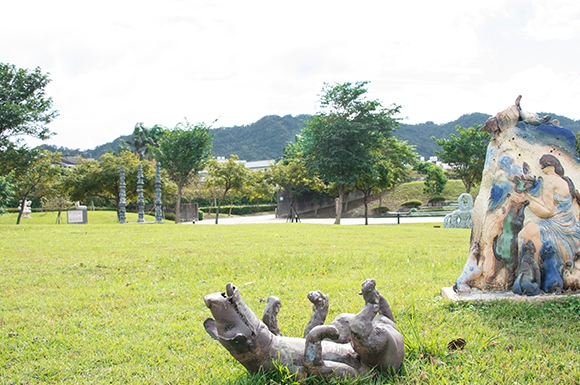
Ba-ling: Located in Fuxing District, Taoyuan City, at the midpoint of the North-Cross Highway, Ba-ling is famous for its honey peaches. Most residents are Taiwanese Indigenous people of the Atayal tribe. The name "Ba-ling" comes from the Atayal language and means cypress or giant trees. Gaopo Waterfall: Scenic falls along the North-Cross Highway. Located about 20 kilometers along the highway near Gaopo Village, the waterfall forms where Gaopo Creek flows into the Dahan River. Due to the steep terrain, several hard rock formations block the water and create dramatic drops. From upstream to downstream, there are three main tiers, named "Rainbow Falls," "Devil's Falls," and "Gaopo Bridge Falls." Among them, Rainbow Falls is the most spectacular. Xiao Wulai Waterfall: Named for its resemblance to Wulai Waterfall in Wulai District. The falls are divided into upper, middle, and lower tiers. The middle tier, where the stream suddenly drops over a fault into a 50-meter-deep pool, is the most spectacular. The area has a Xiao Wulai Scenic Area and is a well-known attraction along the North-Cross Highway. Not far from the entrance stands a four-story observation deck with views of the falls, and a trail below leads to the base of the waterfall. Above the falls is the Xiao Wulai Sky Walk, where you can look down through glass at the breathtaking waterfall. Dongyan Mountain National Forest Recreation Area: Named because, when viewed from Shimen Reservoir, the mountain resembles a large eye looking east. The area features endless cryptomeria forests, a rich variety of birds and insects, and special landscapes such as marine sedimentary geology and 30-million-year-old shrimp and crab trace fossils. Visitors may spot grey-throated minivets, coppersmiths, and Taiwan hwameis, among other birds. Jiaobanshan: Elevation 639 meters. In 1886, Liu Ming-chuan inspected the area and saw that the two banks of the Dajiaokan River looked like triangular boards, so he named it Jiaobanshan. Jiaobanshan Guesthouse Park: Features several attractions including the Jiaobanshan Military Tunnel, Chiang Kai-shek's Guesthouse, and a Sculpture Park. The Jiaobanshan Military Tunnel was built in 1963 to protect national leaders in case of war, and today it is a popular spot for visitors to imagine wartime history. Taiwan's first sculpture park features 12 installation artworks created by world-class artists, including "Greenhouse Proposal," "Human Fox," and "Flying Dragon in the Sky." The park is planted with pine, cypress, plum, and bamboo. During plum blossom season, the 2-hectare plum garden attracts many visitors who come to admire the blossoms, picnic, and enjoy tea. Shimen Reservoir: Once the largest reservoir in the Far East, it is now one of northern Taiwan's important reservoirs, with beautiful lake and mountain scenery in every season. Popular attractions in the area include the dam, spillway, lake pier, Xizhou Park, Maple Forest Park, and Nanyuan Ecological Area. Large and small parks are shaded by trees, and there are bike paths and lake cruises that offer visitors a variety of leisure activities. Daxi: Named after the Dahan River that runs through it. Daxi is the entrance to the North-Cross Highway, and it has abundant tourism resources. Daxi Old Street: Daxi was one of the first places in Taoyuan to develop. Through small sailboats traveling the Dahan River to the Tamsui River, trade with mainland China flourished, creating many shops and merchants. On Heping Road, Zhongshan Road, and other old streets, the shops blend Baroque ornamentation with traditional Hokkien decorative motifs, including Greek pediments, Roman columns, and Chinese motifs such as fish and bats that symbolize good fortune. Around Daxi Old Street are well-known sites such as Daxi Bridge, the Li Teng-fang Former Residence, temples and historic sites, the Wude Hall cultural heritage site, and the Daxi Wood Art Ecological Museum. Of course, you should also taste traditional Taiwanese old-fashioned snacks on the street and try Taiwanese traditional toys, especially Daxi tofu jerky, moon cakes, peanut candy, tofu pudding, bowl cakes, and glutinous rice balls, all must-try local delicacies!
- D6
Daxi Cihu – Six Flags Discovery Park – Lilliput Theme Park – Longtan Sightseeing Night Market
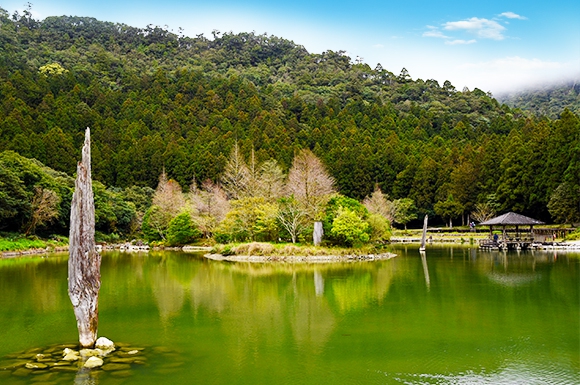
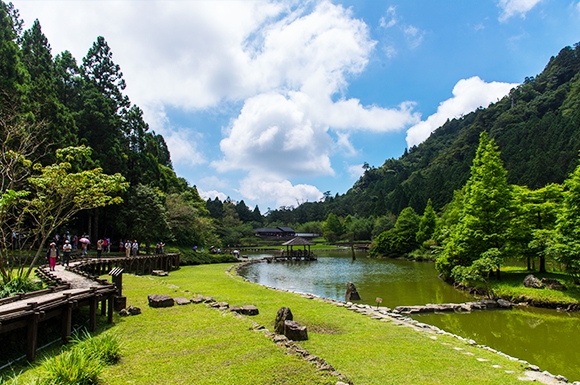
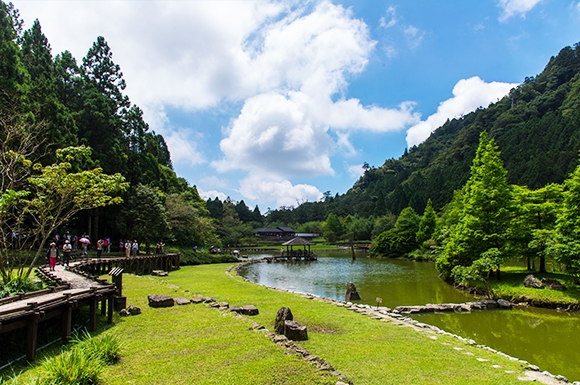
Cihu (Ci Lake): Located in Daxi District, the lake is shaped like a cow's horn, which is why it is also called Xinpi. Ci Lake is fed by a small mountain stream from Baishi Mountain. The water first flows into Hou Ci Lake, a narrow lake upstream, then passes through a winding field embankment called "Long Guo Mai" before entering Ci Lake. In his early years, Chiang Chung-cheng visited Daxi and Fuxing for retreats, and the lake and mountain scenery reminded him of his hometown, Xikou Town in Fenghua County. To honor his mother, Lady Wang, he renamed the area Ci Lake. Leofoo Village Theme Park: A theme park located in Guanxi Township, Hsinchu County. It is one of the companies under Leofoo Development. It began as the Leofoo Village Wildlife Park, founded in 1979. Planning for expansion into a theme park started in 1989, and the first themed zone, "Wild West USA," opened in 1994. The park is currently divided into five themed areas: "Central Magic Fountain," "Wild West USA," "South Pacific," "Arabian Palace," and "African Tribe." Little Naughty Kingdom (Taiwan Miniature Park): Located in Longtan District, Taoyuan City, this is one of Taiwan's well-known theme parks. Little Naughty Kingdom offers four different themes: "Mini World," "Live Shows," "Amusement Rides," and "Water Park." Among them, "Mini World" is the most famous. Later, an indoor amusement park covering 2,500 ping was added, making it a great place for families to play together on weekends and strengthen parent-child bonds. "Mini World" features famous landmark architectural models from Taiwan, mainland China, and around the world. Each model is built at one twenty-fifth of its original size. The Mini World area has a total of 130 landscape and architectural models, all remarkably lifelike. Longtan Tourist Night Market: The largest tourist night market in South Taoyuan! It covers 6,000 ping and has as many as 500 vendors. It attracts many locals and visitors from elsewhere who come to taste the flavors, and it offers plenty of great food at budget-friendly prices.
- D7
Yangmei Puxin Farm – Xinwu Yong'an Fishing Port – Guanyin Lotus Pond Leisure Farm – Taoyuan Hutou Mountain Park
Yangmei District: Located in southern Taoyuan City, the largest ethnic group living here today is Hakka. It is divided into four areas: Yangmei, Puxin, Fugang, and Gaoshanding. The district is home to Youshi Industrial Park, Yangmei Industrial Park, Xiucai Technology Park, and Minfu Industrial Park. Population of approximately 170,000. Fugang Old Street: Located in Yangmei District, roughly covering Zhongzheng Road, Xinyi Street, Fuyuan Road, Xinming Street, Zhonghua Street, and Chenggong Road in front of today's Fugang Station. The shophouses on Fugang Old Street still retain the basic layout from their early construction, and the Lu Family Ancestral House at Nos. 12–20 Zhongzheng Road is the most distinctive. Puxin Ranch: In 1957, Wei Chuan developed Taiwan's dairy farming industry by opening Puxin Ranch, the first ranch in northern Taiwan. It trained nearly 2,000 outstanding dairy farmers and became one of the important cradles of Taiwan's dairy industry. In 2018, Wei Chuan sold Puxin Ranch to Sanlih Media Group's Sanlih Movie City. Puxin Ranch park is divided into a family recreation area, Hushan scenic area, European-style garden, fitness training ground, camping and barbecue area, and various amusement areas. Yong'an Fishing Port: Houses a sightseeing fish market designed in the shape of a lobster, with two transparent spiral staircases. Yong'an Sea-View Bridge is a cross-harbor bridge at Yong'an Fishing Port. Every evening after 5 PM, its lights illuminate the entire bridge, reflecting beautifully on the sea. Xinwu Green Corridor: Along the coastal recreation area beside Yong'an Fishing Port in Xinwu District, the famous bicycle green corridor offers a refreshing ride through blue coastal views and green shade, including a coastal green tunnel. The corridor is about 4 km long in total, made up of a shaded boulevard and coastal road, with parking lots, walking paths, wooden deck platforms, rest pavilions, benches, and dedicated bike lanes, among other facilities. Lianhe Garden Leisure Farm: Each summer in Guanyin District, lotus blooms beautify the lotus fields. At Lianhe Garden Leisure Farm, ride on giant Victoria lily pads, savor lotus seed feasts, and feel the laid-back rural atmosphere. The 2-hectare park features a large lotus pond, a Straw Museum, a Five Elements Bagua Maze, and other attractions, plus DIY activities open for hands-on experiences for a fun, relaxing day! Caoshu Sand Dunes: Stretching 8.1 km along the Guanyin coast, the rolling, expansive terrain reaches up to 15 meters high. From the dune peaks, you can gaze at white wind turbines spinning, with a quiet, desolate beauty. Baishajia Lighthouse: Listed as one of the Taiwan Historic Buildings Top 100, it is the most intact lighthouse from the early Japanese colonial period and the only lighthouse in Taiwan built with red brick and stone. Besides the lighthouse itself, the sundial and clock made by the Shanghai Machinery Bureau are also worth seeing. The century-old bitter neem tree in the garden, the Mediterranean-style clock tower plaza, and the human-shaped arch bridge are all popular photo spots. Tiger Head Mountain Park: Located on the outskirts of Taoyuan City, its elevated position preserves abundant greenery for the cityscape, earning it the nickname 'Taoyuan's Backyard Garden.' Many residents come every day for morning exercises. The 720-hectare scenic area has turned Tiger Head Mountain into an important metropolitan park in northern Taiwan. The park's front-mountain trail, back-mountain loop trail, and Tao 11 road system offer a more comfortable hiking experience for climbers.
- D8
Yingge Ceramics Museum – Sanxia Zushi Temple – Xindian Bitan – Wulai Waterfall – Wulai Old Street
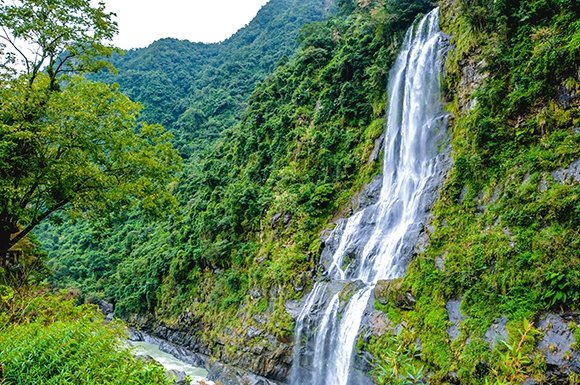
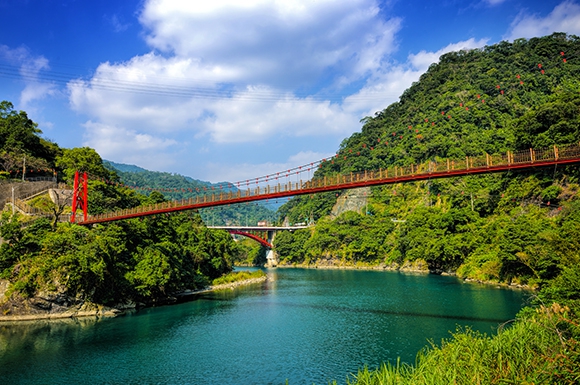
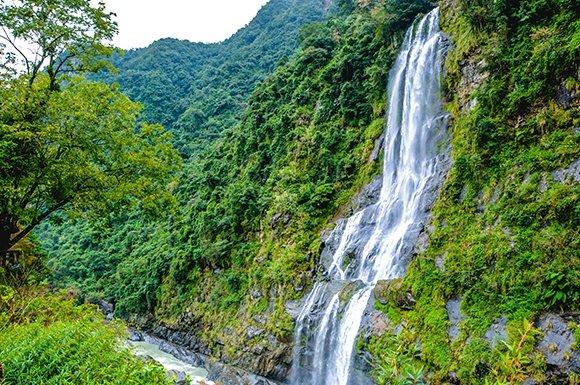
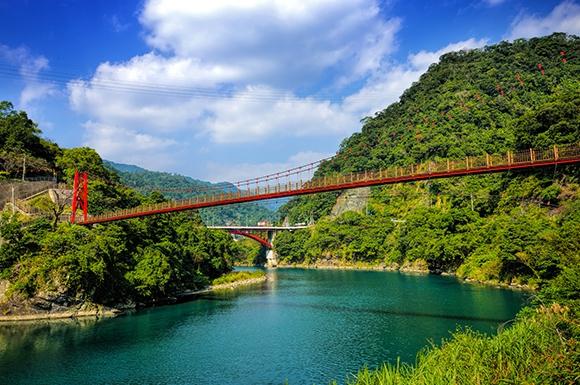
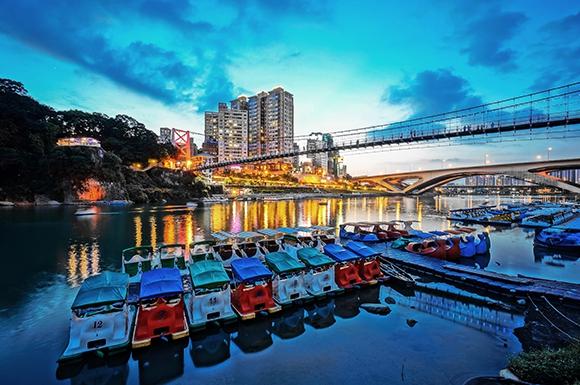
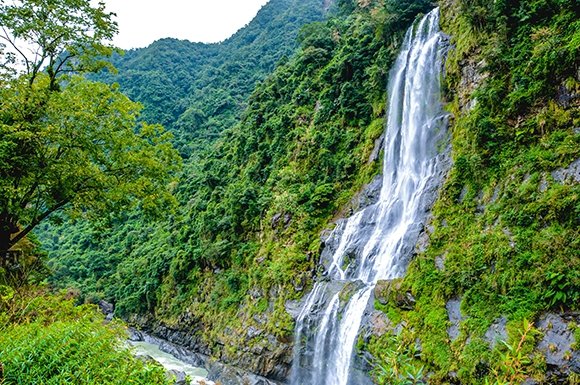
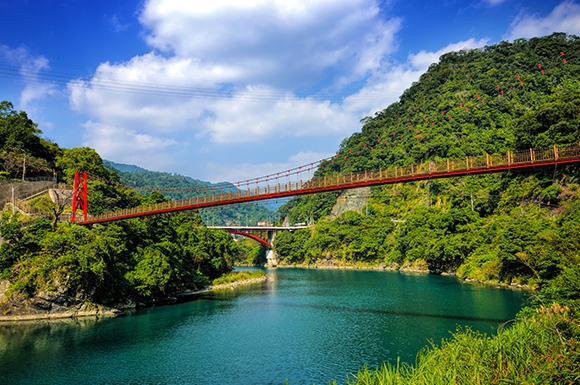
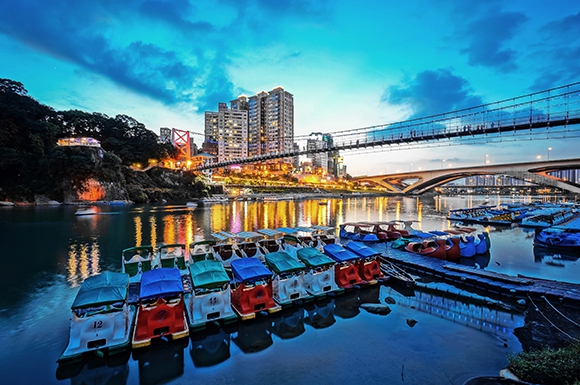
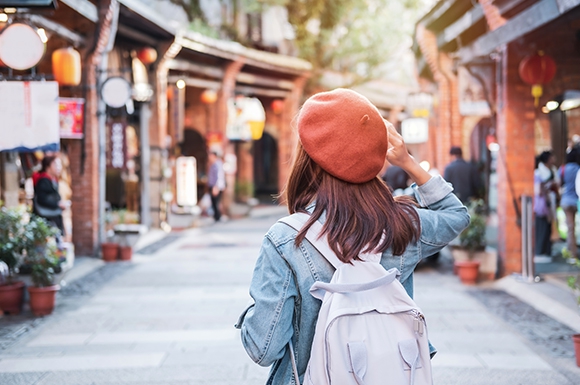
Yingge Ceramics Museum: Taiwan's first professional museum dedicated to ceramics. It is committed to researching, collecting, preserving and maintaining Taiwan's ceramic culture, and offers research, collection, exhibition and educational outreach. Through events, exhibitions and workshops, it aims to spark public interest in and care for ceramic culture, raise the profile of Yingge's ceramics industry and local image, promote contemporary ceramic art, and foster international exchange. Sanxia Old Street: One of the longest old streets in northern Taiwan, and one of the few well-preserved traditional districts with real historical value in Taiwan. Many shop signs on Old Street bear the names of family halls, shops or surnames, full of character. The street is lined with antique multi-story houses with delicately carved facades, brimming with old-time charm, making it a must-see for visitors from out of town. Sanxia Zushi Temple: Founded in 1769 (Qianlong 34), after Taiwan's restoration, the temple's design was led by the artist Li Mei-shu, who believed Zushi Temple should be a temple combining Chinese history, culture and temple art. The Patriarch, whose birth name was Chen Zhaoying, was a native of Kaifeng Prefecture in the Northern Song dynasty. For his merits he was enfeoffed, and a shrine was established for him at Qingshui Rock in Anxi County, Fujian Province, hence he is called the Qingshui Patriarch, and Anxi people call his shrine the "Zushi Temple." Xindian District: One of the satellite cities of the Taipei metropolitan area, most of its land consisting of hilly terrain. Bitan: A scenic spot in Xindian District. When the Xindian River flows from the mountains into the Xindian urban area, its river surface widens, forming a section resembling a pool. Because the water is a clear, deep green, it is called Bitan. Its beautiful scenery and suspension bridge, a rare sight around Taipei, along with boats and pedal boats for rent under the bridge, and rafting on the river, give it a distinct charm. It is one of Taipei's most popular scenic attractions. Wulai Waterfall: Located in Wulai District within the Tamsui River basin, it is the famous landmark of Wulai and also the largest and highest-drop waterfall in northern Taiwan. The waterfall stands about 150 meters above sea level with a drop of about 80 meters, a hanging-valley waterfall formed by differential erosion. Wulai Atayal Museum: Through the history, traditional culture, lifestyle, religious beliefs and festivals of the Atayal Indigenous peoples, it presents the history, natural ecology and cultural splendor of the Wulai Atayal people, offering a unique taste of Atayal Indigenous culture. Wulai Old Street: Shops here showcase Indigenous character, and visitors can enjoy Indigenous mountain specialties such as charcoal-grilled wild boar, hot spring eggs, moon lily rice, bamboo tube rice, maqaw (mountain pepper) dishes, mountain sour greens and Taiwanese chives, all Indigenous flavors rarely found elsewhere.
- D9
Wulai Neidong National Forest – Shiding Thousand Island Lake Viewing Deck – Pinglin Tea Museum – Shenkeng Old Street – Taipei
Neidong National Forest Recreation Area: Located in Xinxian Village, Wulai District, it is known as the "Valley of Dolls." The upper reaches of the Nanshi River have cut through the rock walls, forming a steep, magnificent gorge that connects with the Wulai scenic area in one line. The area has many waterfalls, natural broadleaf forests, and abundant birds, frogs and butterflies. Features several kilometers of forest bathing trails for visitors to enjoy the scenery, birdwatching, fern spotting and butterfly watching. Shiding Thousand Island Lake Viewing Deck: Located in the upper catchment of Feicui Reservoir, where mountain ridges and the lake water form unique scenery, resembling a lake with a thousand islands. Together with the neighboring Bagua tea plantations, it creates breathtaking views of lake and water, making Thousand Island Lake like a fairyland. In recent years it has become a very popular tourist destination in the suburbs of Greater Taipei. Pinglin Tea Museum: A courtyard-style building in the Hokkien Anxi style, themed on Taiwan's tea culture. The ferry crossing beside Shenkeng Old Street was an important transfer station where tea leaves from the Wenshan area were gathered on the Jingmei River a century ago, and a post station on the Danlan Old Trail and Tea Road leading to Dadaocheng. Shenkeng's Four Treasures: tea, tofu, bamboo shoots and black pork have become well-known local specialties. Return to downtown Taipei.
- D10
Departure from Taipei
Accommodation & Meals
| Day | Breakfast | Lunch | Dinner | Hotel |
|---|---|---|---|---|
| D1 | — | — | Chinese cuisine | The Grand Hotel Taipei or similar |
| D2 | Tea Snacks | Jinshan Old Street | Keelung Miaokou | Keelung Evergreen Laurel Hotel |
| D3 | at hotel | at Jiufen Old Street | at Old Master Hotel | Jiaoxi Old Master Hotel or similar |
| D4 | at hotel | at Mingchi Villa | at Fu Xian Jing Villa | Fu Xian Jing Villa or similar |
| D5 | At hotel | Local specialty meal | Local specialty meal | Daxi Old Town Four Seasons Guesthouse or similar |
| D6 | at hotel | group set meal | local specialty meal | Chunghwa Fu Jung Hotel Zhongli or similar |
| D7 | at hotel | local specialty meal | local specialty meal | Taoyuan Hanpin Hotel or similar |
| D8 | at hotel | at local specialty restaurant | at local specialty restaurant | Wulai Mingyue Hot Spring Resort |
| D9 | at hotel | at local specialty restaurant | at local specialty restaurant | The Grand Hotel Taipei or similar |
| D10 | at hotel | — | — | — |
D1
- Breakfast
- —
- Lunch
- —
- Dinner
- Chinese cuisine
- Hotel
- The Grand Hotel Taipei or similar
D2
- Breakfast
- Tea Snacks
- Lunch
- Jinshan Old Street
- Dinner
- Keelung Miaokou
- Hotel
- Keelung Evergreen Laurel Hotel
D3
- Breakfast
- at hotel
- Lunch
- at Jiufen Old Street
- Dinner
- at Old Master Hotel
- Hotel
- Jiaoxi Old Master Hotel or similar
D4
- Breakfast
- at hotel
- Lunch
- at Mingchi Villa
- Dinner
- at Fu Xian Jing Villa
- Hotel
- Fu Xian Jing Villa or similar
D5
- Breakfast
- At hotel
- Lunch
- Local specialty meal
- Dinner
- Local specialty meal
- Hotel
- Daxi Old Town Four Seasons Guesthouse or similar
D6
- Breakfast
- at hotel
- Lunch
- group set meal
- Dinner
- local specialty meal
- Hotel
- Chunghwa Fu Jung Hotel Zhongli or similar
D7
- Breakfast
- at hotel
- Lunch
- local specialty meal
- Dinner
- local specialty meal
- Hotel
- Taoyuan Hanpin Hotel or similar
D8
- Breakfast
- at hotel
- Lunch
- at local specialty restaurant
- Dinner
- at local specialty restaurant
- Hotel
- Wulai Mingyue Hot Spring Resort
D9
- Breakfast
- at hotel
- Lunch
- at local specialty restaurant
- Dinner
- at local specialty restaurant
- Hotel
- The Grand Hotel Taipei or similar
D10
- Breakfast
- at hotel
- Lunch
- —
- Dinner
- —
- Hotel
- —
Meals and accommodation are subject to final arrangements and may vary by season.
Price details
| Item | Price |
|---|---|
| Adult | NT$45,800 |
Includes
- Tour fee includes:
Excludes
- 7. Tour leader, local guide and driver tips.
- Not included:
- 3. Hotel bellman tips, luggage porter tips, phone charges, internet SIM cards, laundry, and other personal expenses.
Transportation
Private transfers throughout the tour (minibus or coach arranged based on group size).
Meeting Point & Time
Day 1: Pick-up at the arrival hall of Taoyuan International Airport (TPE). Please provide your arrival flight details when registering.
Travelers already in Taipei may instead gather at East Gate 3 of Taipei Main Station (time to be announced separately).
Cancellation & Refund
Handled according to the Tourism Bureau, MOTC, Standard Domestic Travel Contract:
Cancellation 41 or more days before departure: 5% of tour fee as compensation
Cancellation 31 to 40 days before departure: 10% of tour fee as compensation
Cancellation 21 to 30 days before departure: 20% of tour fee as compensation
Cancellation 2 to 20 days before departure: 30% of tour fee as compensation
Cancellation 1 day before departure: 50% of tour fee as compensation
Cancellation on the day of departure or no-show without notice: 100% of tour fee as compensation
Visa & Travel Insurance
Foreign travelers, please confirm the visa, Electronic Travel Authorization, or visa-free eligibility required for entering Taiwan based on your passport, and make sure your passport is valid for at least 6 months (see 'Travel Notes' on this website).
In accordance with the Tourism Development Act, we have taken out travel agency liability insurance and performance guarantee insurance. We recommend travelers purchase personal travel accident and medical insurance separately.
Important Notes
Tour fee includes:
1. Flights: Economy class group air tickets and fuel surcharge.
2. Visa: Included.
3. Accommodation: Twin sharing.
a. Tour price is based on twin-sharing occupancy.
b. Solo travelers may request a single room by paying the single supplement.
c. If no single room is requested, we will assist with room allocation. If this is not possible, the single supplement will apply.
4. Meals: Hearty meals as listed in the itinerary.
5. Sightseeing: Sightseeing activities as listed in the itinerary, including coach fare and admission fees.
6. Insurance: Travel contract liability insurance NT$3,000,000; accident medical insurance NT$200,000.
7. Tour leader, local guide and driver tips.
Not included:
1. Passport new application/renewal NT$1800: Original ID card required, two 2-inch color photos with ears visible on white background taken within the past six months, men under 40 must provide original military discharge certificate (existing valid old passport must be presented), valid for ten years.
2. Taiwan Compatriot Permit new application/renewal NT$1800: Photocopy of ID card, original passport (returned after verification; must be issued in Taiwan), original old Taiwan Compatriot Permit (for those who have applied before), one 2-inch photo taken within the past six months, valid for five years.
3. Hotel bellman tips, luggage porter tips, phone charges, internet SIM cards, laundry, and other personal expenses.
per person
From NT$45,800
≈ $1,390Approximate conversion; final quotes are in New Taiwan Dollars (NT$).
- ✓ Reply within 24 hours
- Inquiring is free — our team replies by email with a quote.
- Cancellation & Refund →
Greater Taipei Loop — Yilan, Taoyuan & Northern Cross-Island Highway, 10 Days
From NT$45,800
≈ $1,390